

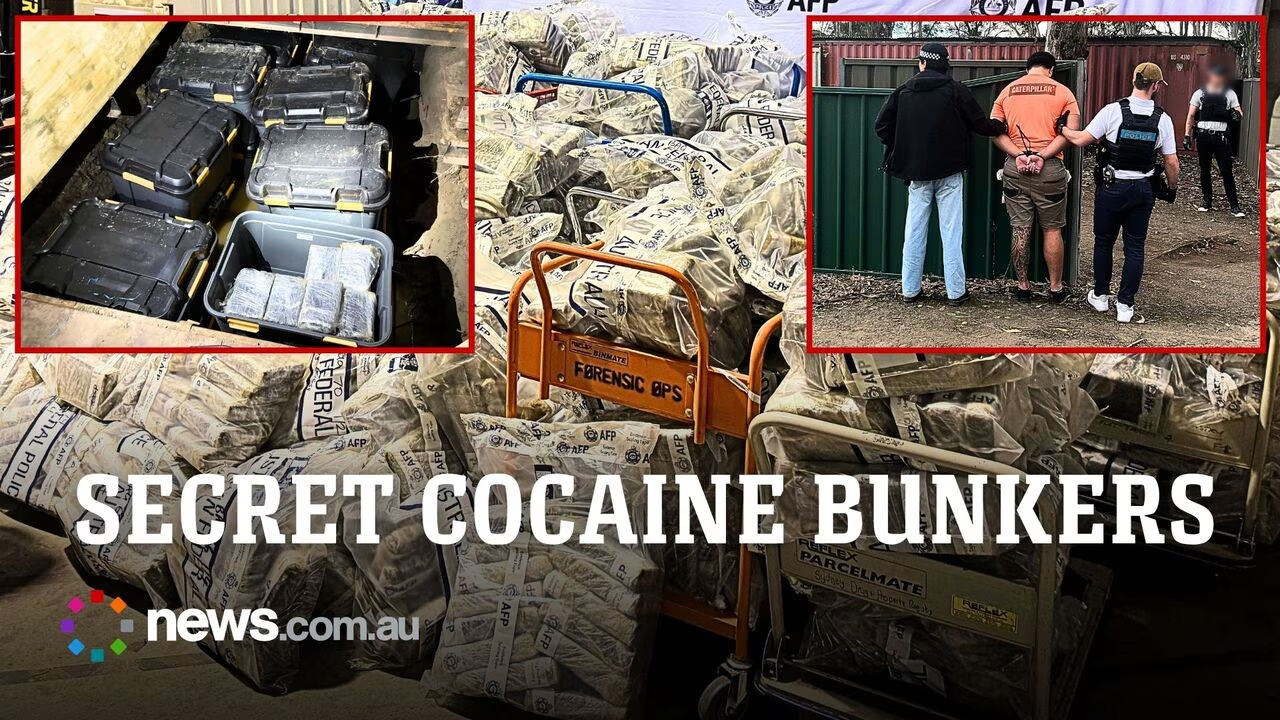
The rural landscape of Londonderry, located in the outer western fringes of Sydney, is typically known for its quiet acreage, horse properties, and semi-rural tranquility. However, that peace was permanently shattered when a heavily armed contingent of the Australian Federal Police (AFP) executed a dramatic raid on a local property. What investigators uncovered at the rear of the acreage has rewritten the history of Australian law enforcement: a massive, highly sophisticated stockpile of cocaine that marks the single largest narcotics seizure in the nation’s history.
Hidden within a cluster of seemingly ordinary shipping containers near the back of the semi-rural block, syndicates had constructed a complex network of underground bunkers. To the untrained eye, the containers appeared empty or filled with standard storage. However, forensic teams quickly discovered false container floors. Beneath these industrial metal panels lay subterranean storage zones packed tightly with commercial-grade plastic tubs. Inside those tubs was a staggering 2.7 tonnes of high-purity cocaine, carrying an estimated street value of approximately $816 million AUD.
Operation Minjiang: Tracking the Transnational Pipeline From Queensland to Western Sydney
The monumental discovery in outer western Sydney was not a stroke of random luck. It was the explosive climax of Operation Minjiang, a massive multi-agency taskforce spearheaded by the Queensland Joint Organised Crime Taskforce (QJOCTF) alongside the AFP. The complex pipeline of the syndicate spans thousands of kilometers along the Australian east coast, bridging remote international maritime drops with industrial distribution hubs in metropolitan New South Wales.
Syndicate Supply Chain: Operation Minjiang Pipeline
-------------------------------------------------------------
Source: International "Mother Vessel" (MV Wealth) in the Pacific
Point of Entry: Offloaded at sea near Midge Point, North Queensland
Local Transport: Concealed via flatbed transport trucks heading south
Storage Hub: Buried underground in Londonderry bunkers, Western Sydney
Target Market: Domestic distribution (estimated 3 million street deals)
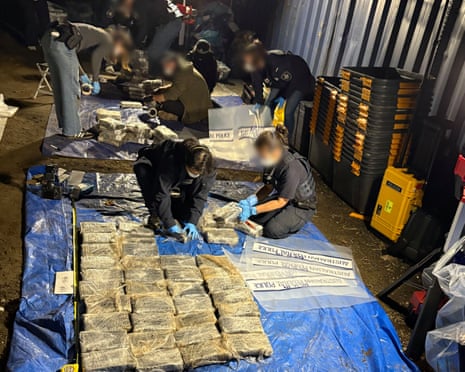
The investigation originally sparked to life in May after Queensland Police officers discovered 40 kilograms of cocaine floating in the water near a boat ramp at Midge Point, adjacent to a burned-out flatbed truck. Rather than moving in immediately, federal and state detectives spent weeks methodically tracing the syndicate’s movements. Police allege that the massive 2.7-tonne haul was brought into Australian waters via an international “mother vessel”—the MV Wealth, which has since been detained by authorities in the Solomon Islands—before being moved via local vessels to the Queensland coast and driven down to the Sydney acreage under the direct orders of a powerful, Sydney-based organized crime network.
Chaos on the Acreage: Foot Chases, Arrests, and the Threat of Life Imprisonment
When the AFP tactical units breached the Londonderry property, the reality of the situation immediately hit the syndicate workers on site. Two men—a 21-year-old from Plumpton and a 25-year-old from Liverpool—attempted a desperate escape, fleeing on foot through the thick brush of the rural property. Their attempt to evade capture was short-lived, as tactical officers and canine units quickly tracked them down and placed them under arrest.
Both men have been heavily hit by the Australian judicial system, facing formal charges of possessing a commercial quantity of an unlawfully imported border-controlled drug under section 307.5 of the Criminal Code (Cth). In Australia, the legal system treats major border-security breaches with absolute severity; this particular offense carries a maximum penalty of life imprisonment. Denied bail at their initial hearings, the two syndicators are being held in maximum-security remand as the case moves toward the Penrith Local Court.
The Insatiable Australian Market: Why Syndicates Risk Everything for the East Coast
The sheer scale of this Londonderry bust highlights a harsh economic reality that law enforcement agencies continue to battle: Australia is one of the most lucrative illicit drug markets on earth. Because of the country’s geographic isolation, the street price of cocaine in major capitals like Sydney and Melbourne is significantly higher than in Europe or North America, creating an astronomical profit margin that transnational cartels find irresistible.
-
Three Million Deals: Law enforcement confirmed that the 2.7-tonne haul equated to roughly three million individual street-level deals, intended to flood the nightlife and suburban sectors of the east coast.
-
The “Junk Volume” Strategy: To protect their massive profits, syndicates are increasingly utilizing high-risk, high-reward tactics—such as burying multi-tonne shipments in rural safe houses—hoping that even if a fraction of their shipments get intercepted, the surviving cargo will secure hundreds of millions in profit.
-
Corrupting Logistics: This bust follows a string of related operations targeting “trusted insider” networks across Australian maritime cargo ports, confirming that syndicates are actively spending millions to compromise transport infrastructure.
Frequently Asked Questions (FAQ)
What makes the Londonderry cocaine seizure historic?
At 2.7 tonnes, this raid marks the single largest cocaine seizure ever recorded by law enforcement on Australian soil. Combined with earlier intercepts under Operation Minjiang, the taskforce has stripped more than 3 tonnes of illicit substances out of the syndicate’s supply chain.
How were the drugs hidden on the rural Sydney property?
The cocaine was meticulously packed into large plastic tubs and buried inside custom-built underground bunkers. These bunkers were dug directly beneath three shipping containers situated at the rear of the property and concealed under false flooring.
What penalties do the arrested individuals face under Australian law?
The two men arrested on-site have been charged under the Commonwealth Criminal Code with possessing a commercial quantity of an unlawfully imported border-controlled drug. Due to the unparalleled volume of the seizure, the charge carries a maximum penalty of life imprisonment.
Where did the seized cocaine originally come from?
Police intelligence indicates the drugs were transported via a foreign maritime vessel through the Pacific, offloaded onto smaller local watercraft near Midge Point in North Queensland, and subsequently driven down the highway to the outer western Sydney storage hub.
For a deeper look into the evolving, highly sophisticated methods organized crime syndicates use to smuggle illicit cargo into major global ports via commercial transport chains, check out this investigative broadcast on Bizarre Cocaine Supply Chains and Infiltrations.
A Rising Tide of Zero-Tolerance Enforcement
The unyielding tactical response by the AFP signals a broader, global shift toward zero-tolerance law enforcement strategies when handling mass lawlessness or highly coordinated illicit operations. This aggressive, uncompromised posture mirrors civilian crackdowns taking place internationally, such as the widely publicized chaos in the United States involving a “Florida spring breaker hauled to the bottom and cuffed — as authorities crack down on underage partying.” In those viral beachfront operations, municipal police deployed overwhelming physical presence, plainclothes surveillance, and instant containment to abruptly crush dangerous non-compliance before it could destabilize the community.
Whether responding to millions of dollars in narcotics or thousands of unruly individuals disrupting public safety, modern law enforcement agencies are entirely abandoning passive containment in favor of rapid, decisive neutralization.

