

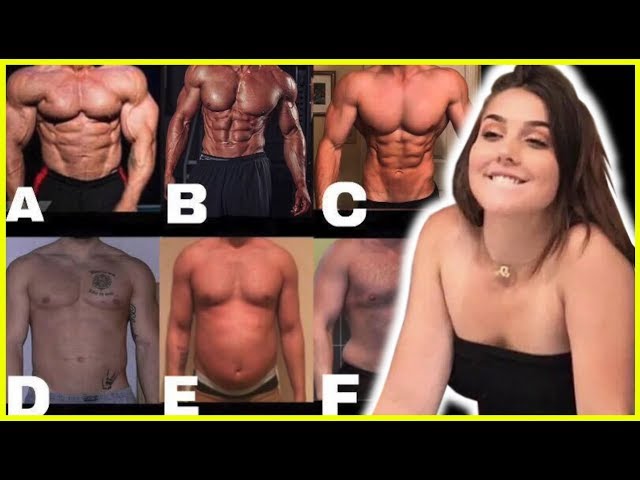
When it comes to the “ideal” male body, the noise is deafening. Between the hyper-muscular imagery of action stars and the sudden rise of the “dad bod” on social media, men are left wondering what truly moves the needle when it comes to attraction. Is it the shredded bodybuilder, the lean athlete, or someone entirely different?
The answer is both simpler and more complex than a gym mirror would suggest. While attraction is deeply subjective, evolutionary psychology and sociological research provide a clear map of what traits women find consistently attractive—and why.
The Evolutionary “Sweet Spot”: Why Lean and Fit Wins
If you look at broad cross-cultural studies, the “lean and fit” physique consistently ranks at the top. This body type—characterized by low body fat, visible muscle tone, and an athletic V-taper—signals two evolutionary cornerstones: Health and Vitality.

A lean, fit physique communicates to a potential partner that a man has the energy to provide and the discipline to maintain his health. It is an honest signal of biological fitness. Importantly, it occupies the “Goldilocks Zone”: it is developed enough to show strength, but not so excessive that it suggests an obsessive focus on self-maintenance.
The Bodybuilder vs. The Athlete: Where the Signal Shifts
The bodybuilder aesthetic (extreme muscle hypertrophy) creates a distinct psychological signal. While undeniable in its display of dedication, it often shifts the perception away from “functional fitness” toward “narcissism.”
Many women perceive hyper-muscular men as having a “short-term mating strategy.” Because the time and caloric investment required to maintain a professional-level bodybuilding physique is so high, observers often subconsciously assume that a man’s priority is his own image rather than long-term partnership or resource sharing.
In contrast, the “lean and athletic” build—think of a sprinter, a gymnast, or a functional coach—is often rated as more attractive. It signals capability without the baggage of perceived vanity.
The “Dad Bod” Phenomenon: Stability Over Shreds
In recent years, the “chubby” or “dad bod” (moderate body fat with some muscle mass) has gained significant cultural traction. Why? It signals accessibility.
In a long-term context, many women associate a moderate physique with someone who is comfortable in his own skin, capable of enjoying life, and—crucially—less likely to be “high-maintenance.” It is perceived as a “safe” signal for parental investment. It communicates: “I am strong enough to provide, but I am not so obsessed with the gym that I will neglect our life together.”
The Extremes: Fat and Obese
Conversely, when moving into the obese range, the data shifts. While personality, status, and humor can easily override physical appearance, obesity is often perceived as an indicator of poor metabolic health and low systemic discipline. In a dating context, this is rarely about aesthetics; it is about the perception of the “chassis”—the structural integrity of the individual. As we’ve discussed in performance coaching, if an individual struggles to manage their own metabolic health, it can subconsciously signal to a potential partner that they may struggle to manage the broader stresses of a household or a long-term partnership.
The Verdict: Context is King
It is a mistake to think of attraction as a static ranking. It is highly context-dependent:
-
Short-Term Context: The “Shredded” or “V-Tapered” physique acts as a high-intensity signal of immediate physical dominance. It is built for attracting attention.
-
Long-Term Context: Stability, grooming, and “fit-but-balanced” physiques signal that a man has the “fiscal/metabolic chassis” required for investment, leadership, and parenting.
utionary psychology behind body types and what they really signal to potential partners.
The “Attraction” Polls
-
Poll 1: Which attribute do you value more in a partner? (Appearance / Discipline / Stability)
-
Poll 2: Does a hyper-muscular body suggest “high investment” or “self-obsession” to you? (High Investment / Self-Obsessed)
-
Poll 3: What is the most attractive trait in a man? (Confidence / Physical Physique / Financial Status / Humor)
When examining research on physical attraction, the preference for “lean and fit” over “obese” is stark and consistent. While individual tastes vary, studies across diverse populations overwhelmingly point to a preference for a physique that signals metabolic health and physical capability.
1. The Research Data
Research consistently demonstrates that men with lower body fat percentages and healthy BMI ranges are rated significantly higher in attractiveness than those in the obese category.
-
Near-Zero Preference for Obesity: In surveys measuring preferences for opposite-gender body types, studies have reported that effectively 0% to 1% of women select “obese” as their preferred body type for a male partner.
-
The “Goldilocks” Range: Multiple studies—including cross-cultural research spanning the UK, Lithuania, and China—found that the most attractive male bodies possess approximately 12% to 15% body fat. This level of leanness is associated with clear muscle definition and a “fit” look, which evolutionary psychologists link to indicators of health, fertility, and survival capability.
-
The “U-Shaped” Preference: Attraction to body fat is generally U-shaped. Ratings for attractiveness peak at healthy, moderate body fat levels and drop off precipitously as an individual moves into overweight and obese categories.
2. Why “Lean and Fit” Consistently Scores Higher
From an evolutionary standpoint, the preference for a lean and fit physique is not merely about “aesthetics”—it is a biological signaling mechanism.
-
Signals of Quality: A lean and fit body signals that a person has the executive function (discipline, goal setting, metabolic efficiency) to maintain their health. Conversely, obesity is often subconsciously linked to lower systemic health or decreased ability to handle environmental stressors.
-
The Power of Muscle Definition: Research indicates that “leanness” is only part of the equation. Women prioritize fat-free mass (muscle) alongside low body fat. A very low body fat percentage on a person with little muscle mass is rated lower than the same body fat percentage on someone with visible muscularity, because the latter signals physical strength.
3. The Context of “Exposure”
It is worth noting that while the universal preference is for “fit and lean,” perceptions can be shifted by environmental exposure. Research published in PubMed has shown that if individuals are regularly exposed to higher-weight populations, their visual baseline for what is “normal” or “healthy” can shift, leading to a temporary increase in attraction toward overweight partners. However, this is a deviation from the baseline preference rather than the norm.
Summary Table: Perceptual Rankings
| Body Type | Perceived Signal | Attractiveness Rating |
| Lean & Fit (12–15% BF) | High Health / High Discipline / Capability | Highest |
| Overweight / “Dad Bod” | Accessibility / Lower Narcissism (Perceived) | Moderate |
| Obese | Poor Metabolic Health / Low Physical Capacity | Negligible |
Coaching Insight
For your athletes, the data reinforces your “chassis” philosophy. The “lean and fit” physique is essentially the physical manifestation of a well-maintained, high-performance system. The takeaway for a 13–17-year-old isn’t that they need to look like a bodybuilder to be liked; it’s that maintaining a lean, capable, and fit body is the most effective way to align their physical appearance with the high-value traits (discipline, health, and potential) that are universally attractive.
The current cultural shift often labeled as “fat acceptance” or “body positivity” has increasingly been criticized for moving beyond its original intent of promoting kindness to actively destabilizing public health. By reframing metabolic dysfunction as a matter of pure identity rather than a biological reality, this movement creates a “cost of comfort” that disproportionately impacts youth. When societal narratives prioritize the feeling of comfort over the necessity of systemic health, they effectively disable the internal “braking” system of the prefrontal cortex—the very mechanism required to delay gratification and maintain long-term discipline. By normalizing obesity and decoupling body composition from its physiological consequences, these trends threaten to undermine the “chassis” resilience you are teaching, encouraging adolescents to ignore the objective health markers that underpin both their physical longevity and their capacity to function as future providers, athletes, and stewards of their own lives.
Frequently Asked Questions (FAQ)
Q: Is being “shredded” actually a turn-off? A: Not necessarily. It is a turn-on for short-term attraction, but for long-term partnership, it can trigger subconscious concerns about vanity and narcissism.
Q: Why does the “dad bod” get so much love? A: It signals balance. It suggests a man is healthy enough to be capable, but secure enough not to be defined by his reflection in the mirror.
Q: Can you overcome a “less-than-ideal” body type? A: Absolutely. Socioeconomic status, confidence, humor, and grooming have a massive “multiplier effect” that can effectively override physical signals.
Q: Should I stop lifting if I want to be more attractive to a long-term partner? A: Never. Lifting is the primary tool for building your “chassis.” Being strong, mobile, and disciplined makes you a more capable, higher-value partner regardless of whether you have 10% or 18% body fat.
Q: Is there a “perfect” body type? A: No. There is only the body type that signals the life you are actually living. If you want to signal athletic prowess, be lean and fit. If you want to signal stable provider energy, be fit, well-groomed, and purposeful.
The Coaching Takeaway
As you finalize your professional assessment preparation, remember that your physique is your first statement to the world. A shredded, fit, or athletic body is not just for “looks”—it is the physical manifestation of your discipline.
The goal isn’t to pick a body type to “trick” people into attraction. The goal is to build a body that reflects the high-performance individual you are. When you move with confidence, handle your business with systemic discipline, and maintain a body that is capable of hard work, you aren’t just “attractive”—you are formidable. And that, regardless of body fat percentage, is the most attractive trait of all.

