


In a world obsessed with metrics, few things are as heavily scrutinized as the human body. Yet, when it comes to body size, societal judgment rarely stops at health outcomes. Instead, it ventures into the realm of character assassination. Fat individuals are frequently subjected to a specific set of assumptions: that they are lazy, lack self-control, possess lower intelligence, are unattractive, or struggle financially. These are not just observations; they are deeply ingrained societal biases. To move toward a more equitable culture, we must examine why these stereotypes exist and why they are profoundly disconnected from the complexity of the human experience.
https://www.quora.com/Are-fat-people-fat-because-they-are-lazy
Do people really have a strong physical reaction to obese people?
byu/NoWitness6400 inNoStupidQuestions
The Anatomy of the Myth: Common Stereotypes
Weight stigma is unique because it is one of the few prejudices that remains socially acceptable in many circles. Let’s break down the most pervasive assumptions:
1. The “Lack of Self-Control” Narrative
The most common trope is that fat people simply “eat too much and move too little.” This assumes that body weight is solely a product of willpower. In reality, the biology of weight regulation is governed by a complex interplay of genetics, hormones, gut microbiome, socio-economic factors, and metabolic adaptation. Viewing weight as a moral failing allows society to ignore the systemic and biological variables at play.
2. The Link Between Weight and Intelligence (Low IQ Myth)
There is a persistent, unfounded belief that higher body weight correlates with lower intelligence. This “dumb fat person” stereotype is particularly damaging in professional settings. This bias often stems from an evolutionary psychology perspective—a misguided attempt to link physical health with cognitive “fitness”—but modern research shows absolutely no causal link between Body Mass Index (BMI) and intellectual capacity.
3. Attractiveness and the “Halo Effect”
Sociologists often discuss the “Halo Effect,” where we assume that people who possess one socially desirable trait (like thinness) also possess other positive traits (like kindness or competence). Conversely, people in larger bodies are often unfairly assumed to be unattractive or undesirable. This is purely a reflection of societal beauty standards, which are transient and culturally specific, not universal indicators of human value.
4. The Poverty/Lazy Assumption
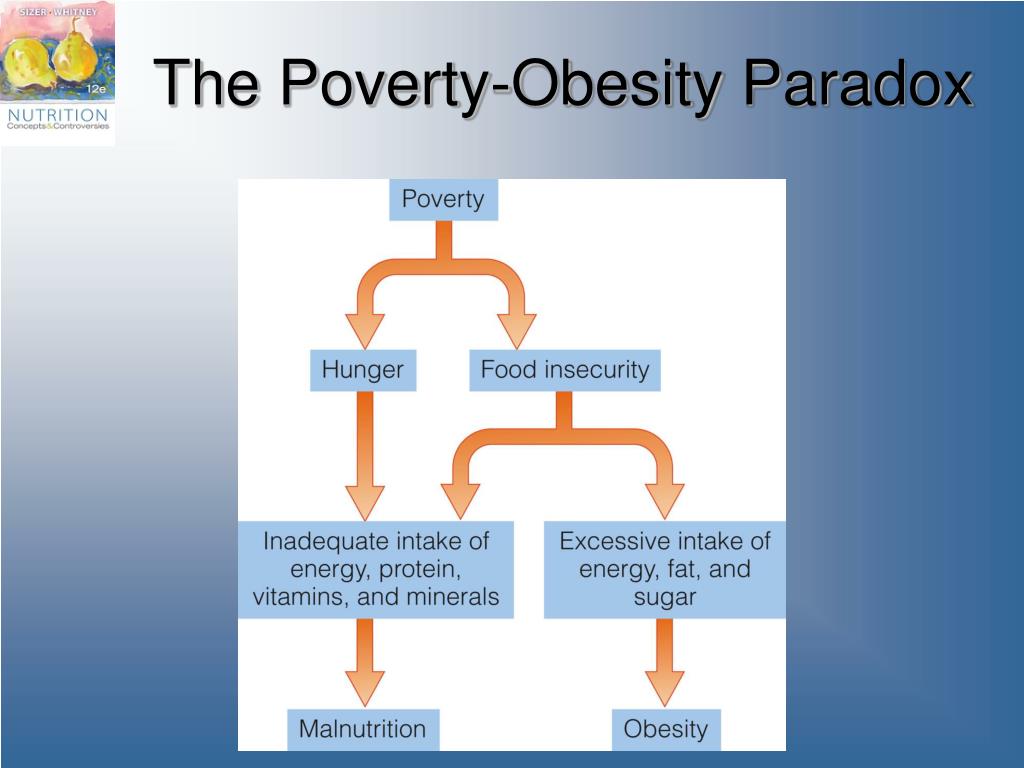
Because processed, low-nutrient food is often more affordable and accessible than fresh produce in “food deserts,” there is an assumption that fat individuals are inherently poor or unmotivated. This stereotype ignores the reality of food insecurity and the fact that high-stress, low-wage jobs often leave little time for the intensive meal prep or exercise routines society demands.
The Reality of Attraction and the “Health” Defense
When discussing these stereotypes, it is impossible to ignore the role of evolutionary psychology, which is frequently weaponized to justify weight bias. For instance, in the discourse surrounding attraction, articles like Beyond the Mirror: Decoding What Women Really Find Attractive in a Man’s Physique often highlight that less than 1 percent of women prefer obese men, frequently framing this as a hard-wired biological preference for “fit” or “healthy” partners. However, conflating this preference for a specific physique with the character stereotypes mentioned earlier—like laziness or low intelligence—is a logical fallacy. While attraction is influenced by a myriad of factors, including cultural conditioning and evolutionary signals, equating a specific aesthetic preference with an individual’s moral character or worth is where the line between personal attraction and systemic discrimination is crossed. Being “unattractive” by a specific societal metric is not an indictment of a person’s intelligence, work ethic, or capacity for love.
Why Do These Stereotypes Exist?
If these stereotypes are factually unsupported, why do they persist?
-
The Just-World Hypothesis: Human beings have a psychological need to believe that the world is fair. If we believe that people “get what they deserve,” we can comfort ourselves by thinking, “If I eat well and exercise, I will be thin, and therefore I will be safe from illness or misfortune.” Blaming fat people for their weight is a psychological defense mechanism.
-
Capitalist Marketing: The multi-billion dollar diet and wellness industry relies on dissatisfaction. By reinforcing the idea that fatness is a “problem” that requires fixing, these industries create a perpetual market of consumers seeking a “solution” to a problem that is often a natural variation of human physiology.
-
Evolutionary Misinterpretation: Humans are hardwired to notice physical differences. Historically, this served a survival function. However, in the modern world, this instinct has morphed into a prejudice that no longer serves a survival purpose, yet remains deeply rooted in our social coding.
The Real Cost of Stigma
Weight bias doesn’t just hurt feelings; it creates real health disparities. When a doctor assumes a fat patient’s pain is caused solely by their weight, they may miss a critical diagnosis. When a job candidate is overlooked due to their size, their economic mobility is stifled. The stress of constant social rejection—often called “internalized weight stigma”—is itself a risk factor for cortisol elevation and poor health outcomes.
Frequently Asked Questions (FAQ)
Q: Is it true that fat people are always unhealthy? A: Weight is not a perfect proxy for health. Many individuals in larger bodies have excellent metabolic markers, while many thin individuals may have underlying health issues. Health is multidimensional and includes mental, social, and physiological aspects.
Q: Can’t weight stigma actually “motivate” people to lose weight? A: Research consistently shows the opposite. Studies indicate that weight stigma is associated with increased calorie consumption, decreased physical activity, and higher levels of stress, which can actually promote weight gain.
Q: What can I do to reduce my own bias? A: Start by acknowledging that your initial judgments are likely learned, not earned. Practice “pause-and-reflect” when you catch yourself making an assumption about someone based on their size. Seek out media that features diverse body types to broaden your perspective.
Conclusion
The assumptions we make about fat people are more about our own psychological discomfort than they are about the individuals being judged. By dismantling these stereotypes, we do more than just show kindness—we create a society that values human potential over superficial aesthetics. It is time to retire the outdated, harmful narratives and view people as the complex, multifaceted individuals they are, regardless of the number on the scale.

