

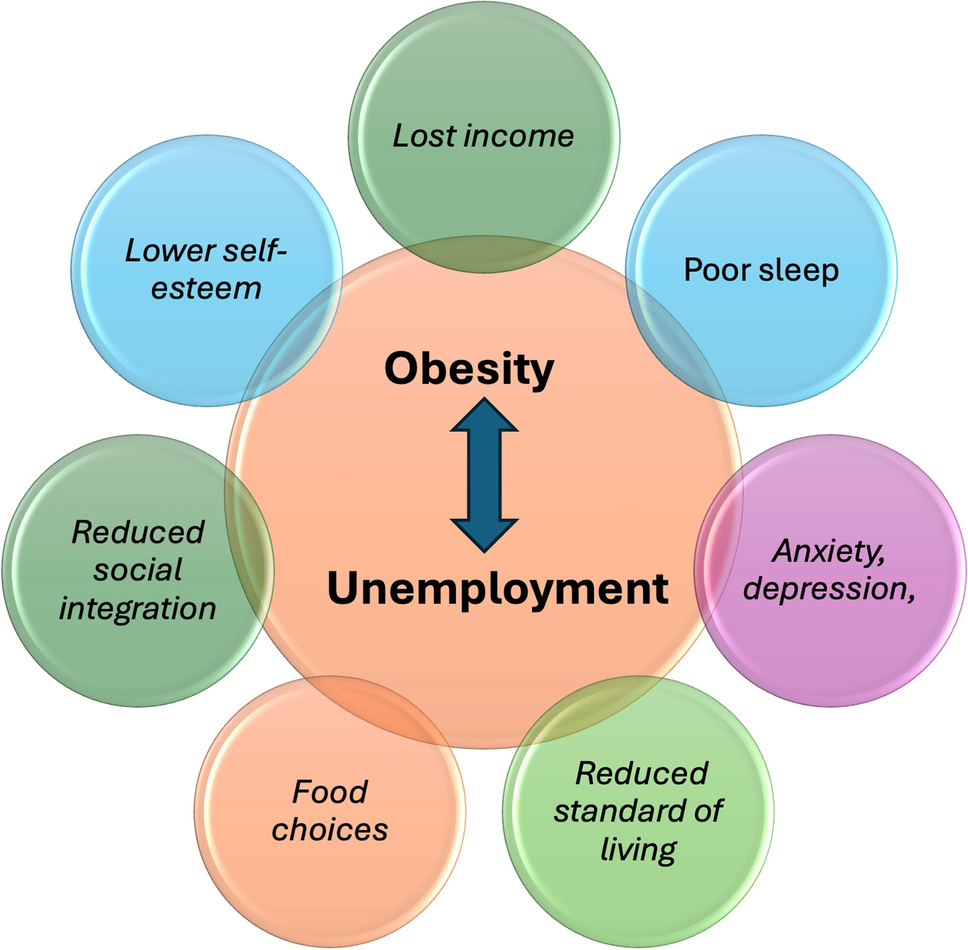
In historical societies, body mass was a direct proxy for financial standing. Carrying extra body fat signaled prosperity, land ownership, and access to an abundance of food, while a lean or thin frame often reflected hard physical labor and food scarcity.
In modern, high-income developed nations—such as the United States, Australia, the United Kingdom, and across Western Europe—that historic dynamic has completely inverted.
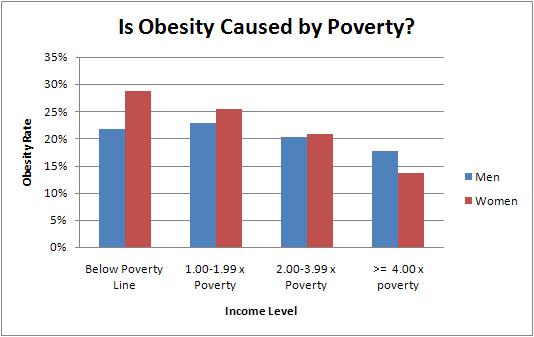
Today, data across OECD countries demonstrates a clear inverse relationship between income and obesity. Wealthier individuals are statistically far more likely to maintain a lower body mass index (BMI) and remain lean, whereas individuals living in lower-income brackets face dramatically higher rates of obesity, metabolic dysfunction, and related chronic health conditions.
Click image below for a chance to win 2k a week for 1 week
Income & Weight Correlation Shift:
┌──────────────────────────────┬──────────────────────────────┐
│ Historical / Developing │ Modern Developed Nations │
├──────────────────────────────┼──────────────────────────────┤
│ Higher Income = Higher BMI │ Higher Income = Lower BMI │
│ Lower Income = Lower BMI │ Lower Income = Higher BMI │
└──────────────────────────────┴──────────────────────────────┘
Understanding this divergence requires examining ultra-processed food economics, stress biology, the cost of leisure time, and structural health access.

1. The Economics of Ultra-Processed Calories
The primary driver of the income-weight disparity lies in the relative cost of dietary energy.
In developed nations, hyper-palatable, calorie-dense foods—loaded with refined sugars, seed oils, and processed grains—are manufactured at scale and heavily subsidized.
-
Cost Per Calorie: Low-income families often maximize caloric intake per dollar spent. Processed, shelf-stable foods yield high energy output at a low financial cost.
-
The Fresh Food Premium: Whole foods—such as lean wild meats, fresh berries, organic vegetables, and cold-pressed oils—cost significantly more per calorie.
When household budgets tighten, consumers prioritize energy-dense, highly processed foods to ensure basic caloric satiety. Over time, this dietary pattern drives chronic hyper-palatability responses, insulin resistance, and elevated body fat accumulation.
Fat people earn less and have a harder time finding work
byu/Barnyard-Sheep inEconomics
2. Time Poverty, Working Hours, and Convenience
Maintaining a lean, fit physique requires an investment of two major resources: capital and time.
Wealthier professionals often enjoy greater schedule flexibility, discretionary income for personal coaching or premium gym access, and the ability to outsource domestic tasks (like grocery shopping, meal preparation, or childcare).
Conversely, individuals working multiple shift jobs, long commute hours, or unpredictable schedules suffer from acute time poverty:
| Factor | High Income Households | Low Income Households |
| Meal Preparation | Can afford meal-prep services, fresh catering, or time to cook | Reliant on fast-food drive-thrus and quick-assembly packaged items |
| Physical Activity | Structured leisure-time exercise (gym, personal training, sports) | Occupational fatigue or physical burnout without structured training |
| Environment | Walkable neighborhoods, parks, private fitness facilities | Food deserts, lack of safe green space, high density of fast-food outlets |
When time and energy reserves are exhausted after 12-hour work shifts, fast food provides immediate convenience, leading to excess caloric intake.
3. Chronic Stress, Cortisol, and Sleep Disruption
The neurological and hormonal impacts of financial insecurity directly promote weight gain and fat retention.
Living under persistent financial strain triggers chronic activation of the sympathetic nervous system and the hypothalamic-pituitary-adrenal (HPA) axis. This elevates baseline cortisol levels:
-
Increased Appetite for Palatable Foods: Elevated cortisol signals the brain to seek quick energy, driving cravings for high-fat, high-sugar comfort foods.
-
Visceral Fat Storage: High cortisol in the presence of elevated insulin selectively promotes visceral adipose storage (fat stored around internal abdominal organs).
-
Sleep Deprivation: Financial stress frequently impairs sleep quality. Sleep deprivation disrupts leptin and ghrelin balances, causing appetite spikes and reduced daily energy expenditure.
4. Social Signaling and Aesthetic Standards
In high-socioeconomic circles, physical fitness and leanness serve as modern status symbols.
Because physical fitness cannot be purchased outright—it demands discipline, consistent effort, and lifestyle structure—a lean, athletic frame conveys self-control, health literacy, and personal accountability.
This cultural signaling creates structural social reinforcement:
-
Peer Pressure: Higher-income social networks prioritize group athletic activities (pilates, run clubs, golf, personal training).
-
Workplace Dynamics: Studies show that corporate environments—particularly for women—exhibit subtle weight penalties, where leaner individuals receive higher hiring and promotion probabilities.
-
Beyond the Surface: Why Society Views Fat People Unfavorably
The economic and time disparities between income groups are further compounded by deep-seated societal biases surrounding body weight. In many high-income nations, heavy weight is often unfairly conflated with a lack of personal discipline, willpower, or self-care—an oversimplification that ignores systemic factors like the hyper-accessibility of cheap ultra-processed foods, chronic stress, and long working hours. This bias creates a distinct social and professional tax: individuals carrying excess weight frequently face implicit discrimination in hiring, promotions, healthcare settings, and interpersonal relationships, reinforcing the psychological and economic pressure on lower-income communities where high-calorie, low-cost foods are most prevalent.
Read that full article here: Beyond the Surface: Why Society Views Fat People Unfavorably
Frequently Asked Questions (FAQ)
Why is obesity more common in lower-income groups in rich nations?
Lower-income groups in developed countries face higher rates of obesity due to the affordability and accessibility of cheap, calorie-dense ultra-processed foods, acute time poverty, chronic financial stress (which elevates cortisol), and environmental factors like food deserts and limited safe exercise spaces.
Does this income-obesity correlation exist in developing nations?
In many developing or lower-middle-income countries, the historic correlation still holds: higher income is often associated with higher body weight because higher wealth provides initial access to food abundance. However, as nations urbanize and income rises globally, they rapidly transition to the pattern seen in wealthy nations.
Is gender a factor in the relationship between income and weight?
Yes. Studies show that the inverse relationship between income and obesity is often stronger among women than men. Women in higher socioeconomic brackets face stricter societal expectations regarding thinness and leanness, while women in lower-income brackets experience higher statistically observed rates of obesity compared to male counterparts in similar income groups.

