

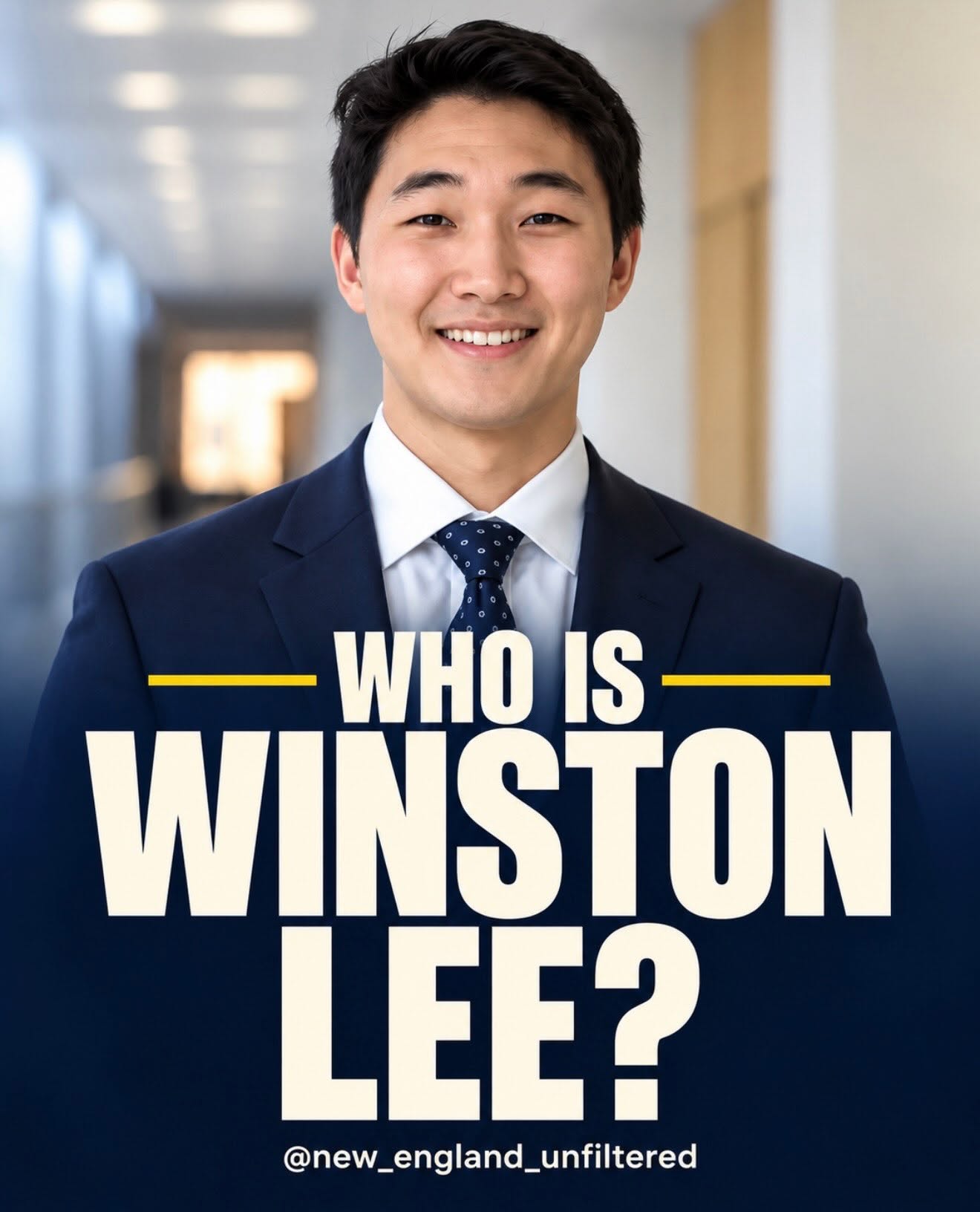
The unsealing of a federal civil lawsuit in late September 2026 brought nationwide public scrutiny back to Cornell University and the former members of its Chi Phi fraternity. Among the seven defendants named in the high-profile action (Jane Doe v. Cornell University, et al.) is Winston Lee.
As state prosecutors and online commentators examine the events of October 19–20, 2024, public interest in the specific backgrounds, actions, and administrative outcomes of each defendant has grown exponentially. Below is a comprehensive breakdown of who Winston Lee is, his alleged involvement in the incident, the evidence presented in court documents, and why he has become a focus of intense public criticism.
Click here for a chance to win this 2018 Audi R8 + $20,000 in cash
The Background: Who Is Winston Lee?
Winston Lee was an undergraduate student at Cornell University in Ithaca, New York, and an active member of the local Chi Phi fraternity chapter.
During his time on campus, Lee was part of an elite social and academic environment. The Chi Phi fraternity housed a tight-knit network of students who frequented local campus hangouts, hosted private fraternity functions, and maintained active digital group chats to coordinate social gatherings.
Prior to the unsealing of the federal complaint, Lee’s campus profile was typical of an Ivy League student. However, his inclusion in the civil suit—and the subsequent unsealing of university Title IX disciplinary files—permanently altered his public standing, linking his name directly to one of the most high-profile university legal sagas in recent history.
https://www.instagram.com/p/Dd1NzJXhWCz/?hl=en
https://www.instagram.com/p/Dd1EyFiMc1X/?hl=en
https://www.instagram.com/p/Dd9ZFxKx2C8/?hl=en
US users turn to Korean netizens in hunt for Cornell defendant Winston Lee
byu/glovecasewave inkorea
Online hunt begins for Korean defendant in Cornell sexual assault suit
byu/glovecasewave inkorea
Winston Lee (and the rest of the Cornell Seven) deserves to know no peace for the rest of his life but it irks me to no END seeing non-Koreans talk shit about us Korean people as a whole
byu/ms_jc_04 inaznidentity
What Did Winston Lee Do? The Allegations and Digital Evidence
The allegations against Winston Lee center on the events that transpired during the late-night hours of October 19 and early morning hours of October 20, 2024, at the Chi Phi fraternity house.
1. The Incident at the Chi Phi House
According to the federal complaint and unsealed Title IX hearing transcripts, the female plaintiff (“Jane Doe”) attended social gatherings at local bars before being brought back to the Chi Phi house. The lawsuit alleges that she was given alcohol and illicit substances, including suspected ketamine, which rendered her physically incapacitated and unable to grant legal consent.

The complaint alleges that multiple fraternity members engaged in non-consensual sexual acts with the victim while she was in a state of severe intoxication and cognitive impairment.
2. The Snapchat Messages (“Is the Shop Still Open?”)
A central pillar of the case against the defendants—including Lee—is the digital footprint left in real-time group communications.
+-----------------------------------------------------------------------------------+
|                        SUBPOENAED DIGITAL EVIDENCE LOGS                           |
+-----------------------------------------------------------------------------------+
|  • Real-Time Snapchat Activity: Group logs timestamped between 2:00 AM and       |
|    5:00 AM on October 20, 2024.                                                   |
|  • Phraseology: Messages broadcasted across fraternity channels inquiring if      |
|    "the shop [was] still open" to signal the presence of an incapacitated guest.  |
|  • Presence & Entry: Transcripts indicate multiple members entered the room       |
|    during the window of alleged incapacitation.                                   |
+-----------------------------------------------------------------------------------+
Court filings detail how Snapchat group messages were used to communicate with other fraternity brothers about the victim’s presence in the room. Lee was identified in university findings as one of the individuals involved in the messaging chains and physical presence inside the house during the timeline of the alleged assault.
The Title IX Outcome: Why “Paper Penalties” Ignited Public Anger
A major driver of the public outcry surrounding Winston Lee and his co-defendants is not only the nature of the allegations, but the disparity between the alleged acts and the initial administrative discipline handed down by Cornell University.
Following an internal Title IX administrative review in 2025, Cornell University found several members responsible for varying degrees of policy violations, including sexual misconduct, endangerment, and failure to intervene as bystanders.
| Defendant Category | Administrative Finding | Penalty Imposed |
| Primary Accused | Title IX Misconduct / Sexual Assault | Formal Expulsion |
| Secondary Accused / Bystanders | Endangerment / Failure to Intervene | Disciplinary Probation & Reflection Modules |
Public reaction turned hostile when court records revealed that several individuals involved in the wider incident received administrative sanctions consisting of disciplinary probation, reflection essays, and mandatory educational modules rather than immediate criminal referral or permanent expulsion. Critics labeled these measures “paper penalties,” arguing that the university prioritized protecting its institutional reputation and student retention over accountability.
Why Is the Public Hating on Winston Lee?
The widespread public hostility toward Winston Lee and the other named defendants stems from a combination of ethical, legal, and systemic factors.
1. Perceived Abuse of Privilege
Public commentary on platforms like X, Reddit, and TikTok has heavily focused on the elite Ivy League setting. Critics argue that the defendants benefited from institutional leniency and high-level legal representation that average criminal defendants rarely receive, allowing them to complete semesters or graduate before full public disclosure occurred.
2. The “Bystander Culture” and Group Mentality
The Snapchat logs published in court exhibits demonstrated a callous tone that struck a chord with the public. Rather than stepping in to assist a visibly incapacitated guest or calling emergency medical services, the digital logs showed a culture of casual group participation and observation. Lee’s presence within that group dynamic made him a primary target of moral criticism.
3. The Digital Campaign (#IAmJaneDoe)
Following the publication of the full legal names of the “Cornell 7” in news reports, online activist groups launched viral campaigns to ensure the case remained in the national headline cycle. The “#IAmJaneDoe” movement flooded social platforms to draw attention to the court documents, ensuring that search results for Winston Lee and his co-defendants permanently highlighted their involvement in the lawsuit.
Escalation to Criminal Investigation: The Special Prosecutor
While the initial 2024 local police review did not yield immediate criminal indictments—partly due to the absence of an immediate hospital forensic exam (rape kit) at the time of the event—the legal landscape shifted dramatically in late 2026.
New York Governor Kathy Hochul exercised executive authority to appoint State Attorney General Letitia James as Special Prosecutor to lead a state grand jury investigation into the Chi Phi incident.
[Local DA Review (2024)] ──► Charges Declined / Referred to Title IX
                                       │
[Federal Civil Lawsuit Filed (2026)] ──► Snapchat Logs & Transcripts Unsealed
                                       │
[Executive Order (Oct 2026)]        ──► NY AG Letitia James Takes Over Criminal Grand Jury
With AG Letitia James heading the grand jury probe, Winston Lee and his co-defendants face potential felony criminal exposure under New York Penal Law, shifting the dispute from campus disciplinary boards into a state criminal courtroom.
The Cornell 7 Gang Rape Case: Lawsuit, Accused Members, and Future Legal Outlook
The unsealing of Jane Doe v. Cornell University, et al. in late September 2026 transformed an internal campus disciplinary dispute into a national legal flashpoint, putting both the university’s Title IX protocols and seven former Chi Phi fraternity members under intense public scrutiny. Accused of participating in or facilitating a multi-hour, drug-induced group assault in October 2024, defendants Matthew Ingalls, Johnathan Newell, Winston Lee, Gillio Lopes, Diego Sarabia, Scott Norris, and Scott Kretzschmar now face severe civil liabilities alongside mounting reputational fallout. However, the case’s trajectory shifted dramatically when New York Governor Kathy Hochul appointed State Attorney General Letitia James as Special Prosecutor, bypassing local authorities to launch an active state grand jury investigation. As federal civil proceedings intersect with potential state felony indictments, the legal outlook for the accused hinges on digital evidence logs, the legal standards of incapacitation, and the complex interplay between parallel civil and criminal defenses.
Read that related article here: The Cornell 7 Gang Rape Case: Lawsuit, Accused Members, and Future Legal Outlook
Conclusion
Winston Lee’s involvement in the Cornell 7 case highlights the intersection of fraternity culture, digital evidence, university administration, and criminal justice reform. What began as an internal campus disciplinary matter has evolved into a nationally watched civil and criminal battle—one where digital records, public accountability, and state-level prosecution continue to define the narrative surrounding Lee and his former fraternity brothers.

