

The proliferation of online decoy groups has fundamentally altered how digital predators are exposed. Operating at the intersection of independent surveillance and local law enforcement cooperation, groups like OBL Nation utilize digital sting operations to identify, lure, and confront individuals attempting to exploit minors.
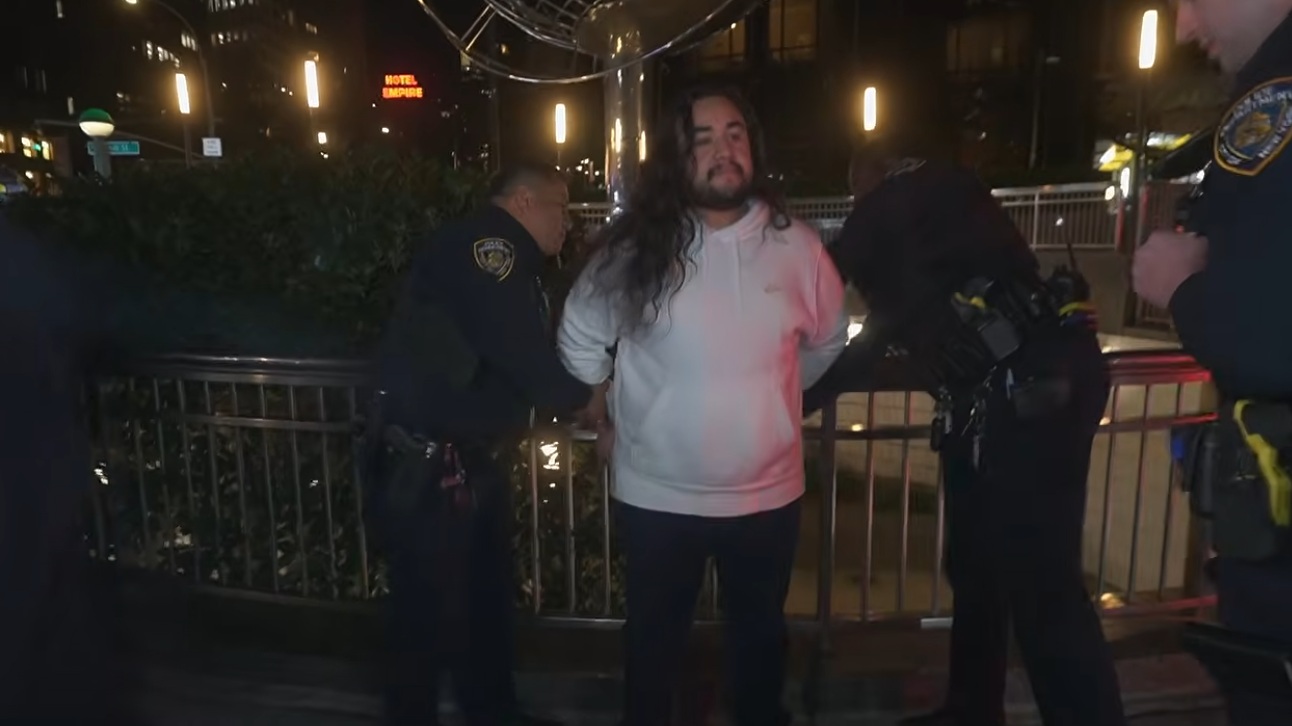
A recent operation published under the title “Predator Wanted a 3 Sum With an 11 YEAR OLD” showcases the chilling reality of these encounters. A 35-year-old suspect traveled to a designated meeting spot in New York to rendezvous with someone he believed was an 11-year-old child, only to be intercepted by civilian decoys and subsequently handed over to the New York Police Department (NYPD).
Click image below for a chance to win 2k a week for 1 week

The Sting Setup: Digital Forensics and Location Tracking
The operation relied on systematic digital surveillance, chat log documentation, and controlled text-based interactions. According to footage and investigative details from the field:
-
The Setup: The suspect communicated extensively online, making explicit arrangements to meet the minor [04:18].
-
The Gear: Upon interception, investigators discovered items brought to the scene, including contraceptives, a collar, and other restrictive gear [15:06].
-
The Coordination: The team coordinated real-time movements, tracking the suspect as he arrived in a white hoodie and white shoes near a public landmark [00:46].
Video Highlights & Key Timestamps
For viewers analyzing the interaction, the video captures several critical shifts in the suspect’s demeanor during the on-scene confrontation:
| Timestamp | Event / Interaction |
| [01:05] | The Interception: Decoys confront the suspect outside the designated meeting area, informing him of the decoy’s true identity and the severity of the situation. |
| [03:04] | Denials & Excuses: The suspect claims ignorance of local laws and age of consent standards, attempting to deflect responsibility. |
| [04:18] | Reviewing the Chat Logs: Decoys confront the suspect with specific messages regarding his explicit intentions and travel plans. |
| [15:06] | Item Inspection: The suspect empties his bag, revealing items brought to the scene, including Plan B and physical restraints. |
| [21:47] | Law Enforcement Handover: NYPD officers arrive on the scene to take custody of the suspect, review digital evidence, and execute formal arrest procedures. |
Psychological and Sociological Analysis of Predator Behavior
In interviews conducted during similar sting operations, criminologists and mental health professionals often analyze the psychological profiles of apprehended suspects. Common behavioral patterns observed in these intercepts include:
-
Cognitive Distortion and Minimization: Suspects frequently attempt to rationalize their actions or feign ignorance regarding statutory laws (“I didn’t know it was a felony”) [01:50].
-
Compartmentalization: Many offenders maintain normal outward lives while actively engaging in severe digital deviance, leveraging anonymity behind screens.
-
Escalating Fantasy: Investigators note that digital grooming often progresses from passive online forums to active logistical planning, highlighting the danger of unmonitored online spaces.
- The rise of independent vigilante groups and online sting operations has introduced deeply complex ethical and legal debates regarding consent, vulnerability, and public exposure. Documented encounters—such as those highlighted in commentaries analyzing digital sting footage like The Disabled Predator That Met With a 13 Year Old—often spark intense controversy when independent groups confront individuals with severe physical or cognitive disabilities [2.2.5]. Critics and advocacy groups frequently argue that public livestream confrontations bypass due process, exploit vulnerable or impaired individuals for sensationalized digital content, and raise critical questions about whether suspects fully comprehend the nature of the online entrapment. Conversely, creator-led networks maintain that exposing anyone attempting to arrange illicit meetings with minors serves an urgent public safety function, illustrating the ongoing cultural friction surrounding unregulated civilian intervention in criminal matters.
Frequently Asked Questions (FAQ)
What led to the arrest in this operation?
The suspect engaged in explicit online conversations with a decoy posing as an 11-year-old minor and traveled to a physical location to meet them, triggering an immediate intervention by civilian decoys and local law enforcement.
Are citizen decoy groups legally authorized to make arrests?
No. Civilian decoy groups operate by conducting surveillance, gathering digital chat evidence, and performing citizen detentions or peaceful interceptions before immediately turning the suspect and evidence over to sworn law enforcement agencies (such as the NYPD).
What evidence is typically handed over to police during these stings?
Law enforcement receives verified chat transcripts, screen captures of communications, physical items recovered from the suspect at the scene (such as communication devices and contraband), and video documentation of the encounter.
How can suspected child exploitation be reported?
If you suspect or have evidence of child exploitation or abuse, reports can be submitted immediately to the National Center for Missing & Exploited Children (NCMEC) via their CyberTipline at report.cybertip.org or by calling 1-800-843-5678.

