

Negative Financial Compounding: How Gambling, Cocaine, and Junk Food Drain Every Dollar and Destroy Mental Health
Most financial advice focuses on positive compounding—investing spare cash early so interest and returns multiply over time. Far less attention is given to its destructive twin: negative financial compounding.
Negative financial compounding happens when high-cost, short-term dopamine habits systematically intercept every dollar entering your bank account—whether from regular employment, gig work, or government allowance—and convert it into immediate chemical relief, leaving nothing behind except debt, exhaustion, and deteriorating mental health.
When someone works consistently and receives supplemental income for over 800 consecutive days yet cannot keep $100 in savings, the problem is rarely a lack of work ethic. Instead, it is the predictable outcome of three overlapping dopamine drains—compulsive gambling, cocaine use, and daily junk food—working together to hollow out both a bank balance and a nervous system.
The Ultimate Fan Reward: Global Crime Feed Is Giving Away $100,000 Cash and a Lamborghini Gallardo! – click to enter

What Is Negative Financial Compounding?
Positive compounding builds momentum because every saved dollar generates future returns and lowers stress. Negative financial compounding works in reverse: every dollar lost to an impulse habit not only disappears permanently, it also increases the psychological distress that triggers the next round of spending.
Over an 800-day stretch (more than two years and two months), even modest combined cash inflows from wages and government support easily total tens of thousands of dollars. Yet when compulsive habits dictate cash flow:
-
Zero Buffer Accumulates: Every payday or allowance deposit is pre-spent mentally before it clears, leaving the account back under $100 within hours or days.
-
Opportunity Cost Multiplies: Money that could have built an emergency fund, cleared debts, or funded productive assets is permanently burned on zero-return consumption.
-
Crisis Becomes Permanent: Without even $100 in reserve, minor everyday expenses—fuel, phone bills, groceries, car maintenance—become immediate emergencies that fuel further panic and escapism.
The Three-Headed Dopamine Drain: Gambling, Cocaine, and Junk Food
Individually, each of these three habits is expensive. Combined, they form a closed loop that hijacks the brain’s reward circuitry and drains money faster than almost any ordinary income can replace it.
1. Compulsive Gambling: Instant Capital Destruction
Compulsive gambling is uniquely destructive because there is no ceiling on how fast money disappears. Unlike buying physical goods, gambling offers no tangible product—only intermittent dopamine spikes tied to near-misses and rare wins. Over 800 days, chasing losses turns every paycheck and allowance payment into fuel for an algorithm or house edge mathematically guaranteed to take it all.
2. Cocaine: High-Cost Chemical Escapism
When gambling losses pile up and bank balances hit zero, the emotional fallout—shame, self-loathing, and feeling stuck—becomes overwhelming. Cocaine acts as a fast-acting artificial escape hatch, flooding the brain with dopamine and temporarily replacing feelings of defeat with false confidence. Financially, it is one of the highest-cost habits on earth, instantly consuming hundreds of dollars per session while impairing prefrontal impulse control so the user gambles even more recklessly.
3. Daily Junk Food and Delivery Apps: The Silent Leak
Ultra-processed fast food and delivery apps complete the cycle. When someone is sleep-deprived from late-night gambling or stimulant crashes, cooking whole meals feels impossible. Spending $25 to $50 a day on takeaway and convenience food quietly drains hundreds of dollars every month—while flooding the body with refined sugar, seed oils, and excess sodium that worsen mood instability and fatigue.
How This Cycle Destroys Mental Health Over 800+ Days
Living for over two years without ever holding onto $100 despite earning money does severe, measurable damage to psychological wellbeing.
-
Dopamine Receptor Burnout (Anhedonia): Constant exposure to extreme artificial spikes from gambling, cocaine, and hyper-palatable junk food desensitizes the brain’s baseline dopamine receptors. Normal everyday achievements—saving money, working out, eating a clean meal—begin to feel flat and unrewarding.
-
Chronic Cortisol and Survival Anxiety: Checking a bank account and seeing less than $100 week after week keeps the nervous system locked in fight-or-flight. Elevated cortisol impairs sleep, triggers irritability, and weakens rational decision-making.
-
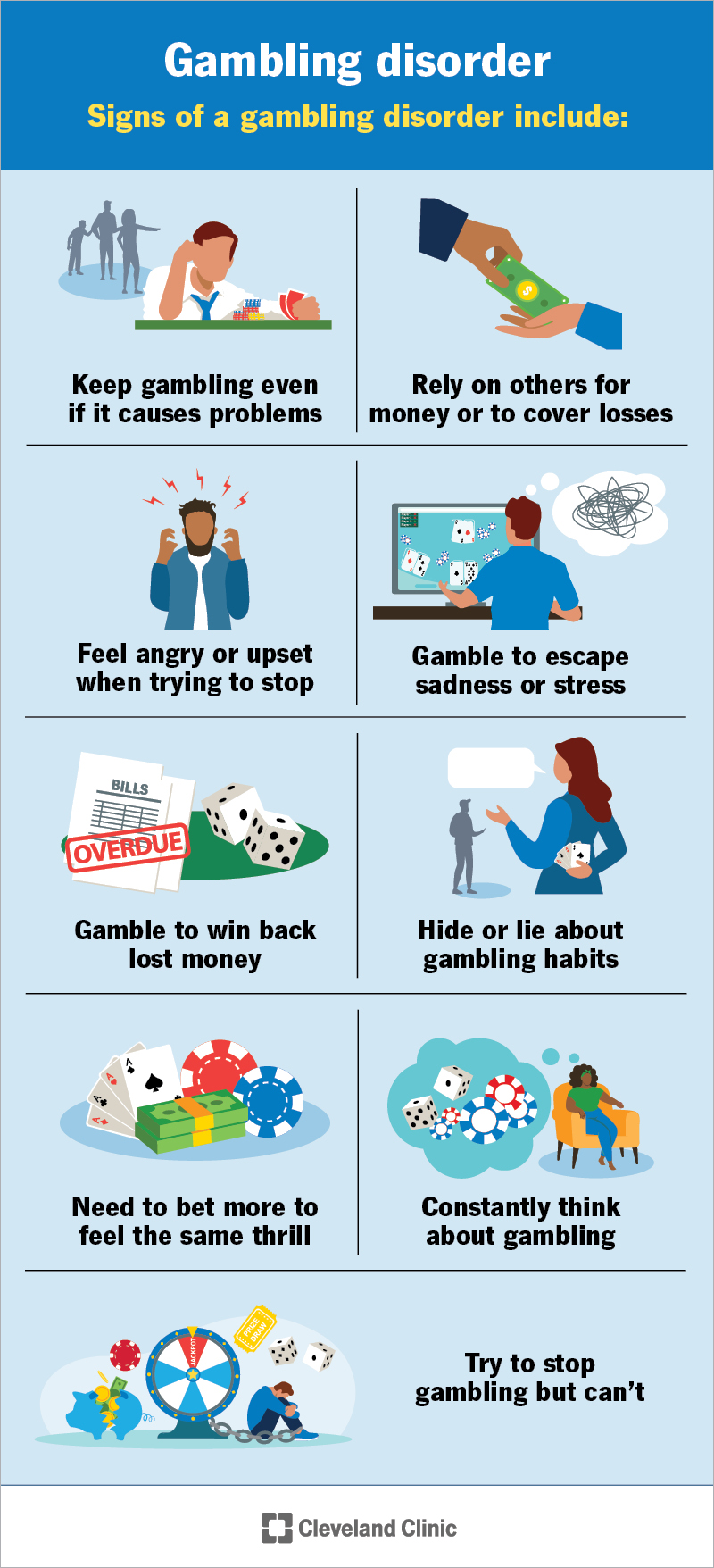
The Shame-Escape Loop: Failing to save after 800 days of effort breeds intense private shame. Rather than confronting the numbers, the brain seeks immediate numbness—driving the individual right back toward another bet, another line, or another fast-food binge.
-
Cognitive Bandwidth Exhaustion: Constantly calculating how to survive until the next deposit consumes mental energy needed for career growth, relationships, and long-term planning.
Breaking the Reverse Compound Cycle
Escaping negative financial compounding does not start with trying to save $10,000 overnight—it starts with interrupting the automatic transfer of money from payday to dopamine triggers and stabilizing the nervous system.
-
Create Immediate Friction Between Income and Impulse: Use separate bank accounts without instant card access, set daily transfer limits of $0 for gambling merchants, and activate national self-exclusion tools (such as BetStop in Australia) so urges hit a hard wall before money leaves the account.
-
Replace High-Cost Food Leaks With Simple Staples: Shifting from daily takeaway to basic, inexpensive whole foods—eggs, oats, frozen vegetables, canned fish, rice, and bulk chicken—immediately frees up $150 to $300+ per week while stabilizing blood sugar and mood.
-
Survive the First 30 Days of Dopamine Reset: Expect the first two to four weeks without gambling, stimulants, or junk food to feel flat and restless as brain chemistry recalibrates. Watching a bank balance stay above $100, then $500, then $1,000 provides real-world momentum that gradually replaces artificial highs.
-
Use Free Confidential Support: Combining financial counseling with addiction support dramatically improves recovery odds compared to relying on willpower alone. In Australia, free 24/7 confidential support is available through GambleAware (
1800 858 858), the National Debt Helpline (1800 007 007), and the Alcohol and Drug Information Service (1800 250 015).
Frequently Asked Questions (FAQ)
Why can’t I save even $100 despite working and receiving government payments?
When high-frequency dopamine habits like gambling, cocaine, and takeaway food are active, spending is driven by emotional regulation and chemical cravings rather than logic. Even higher income gets absorbed immediately because the underlying reward loop scales spending to match every available dollar.
How are gambling addiction and cocaine use connected?
Both compulsive gambling and cocaine overstimulate the exact same mesolimbic dopamine pathway in the brain. Cocaine lowers impulse control—making larger, riskier bets more likely—while gambling losses trigger shame and depression that drive stimulant use as an emotional escape.
Does eating junk food every day really impact finances and mental health that much?
Yes. Spending $30 to $45 daily on fast food and delivery apps drains $900 to $1,350 per month—more than enough to build an emergency fund on its own. Nutritionally, ultra-processed foods spike blood sugar and inflammation, worsening anxiety, brain fog, and post-binge crashes.
How long does it take for the brain’s dopamine system to recover after quitting?
Most people notice improved sleep, lower anxiety, and clearer decision-making within 2 to 4 weeks of stopping stimulants, gambling, and heavy junk food, with deeper dopamine receptor recovery continuing over 60 to 90 days.
Click image below for a chance to win 2k a week for 1 week
The combined comedown from a binge involving cocaine, compulsive gambling, and heavy junk food hits simultaneously on neurological, metabolic, and psychological levels. Because all three flood the brain’s reward system at once, the crash is far deeper than any single habit on its own.
What actually happens in the brain and body during this combined comedown?
During a session, cocaine forces a massive surge of dopamine and norepinephrine, gambling adds unpredictable adrenaline and dopamine spikes, and ultra-processed food triggers rapid insulin and dopamine surges. When the session ends, three crashes collide at the exact same time:
-
Neurochemical Depletion: Dopamine, serotonin, and norepinephrine drop sharply below baseline, leaving the brain temporarily incapable of feeling normal pleasure, calm, or motivation.
-
Metabolic & Blood Sugar Crash: High-sugar, high-fat junk food causes a sharp blood-glucose spike followed by reactive hypoglycemia—triggering physical shakiness, brain fog, lethargy, and irritability.
-
Autonomic Nervous System Whiplash: Your heart rate, cortisol, and adrenaline have been elevated for hours without restorative sleep, leaving the body physically wired yet completely exhausted.
Why does the mental distress feel so overwhelming the next day?
The psychological pain of this comedown is amplified because chemical depression meets real-world financial loss:
-
The Shame-Reality Collision: While high or actively betting, the brain blocks out consequences. Once the stimulants wear off at 4:00 AM or the next afternoon, the bank balance is at zero, bills are still due, and the brain confronts the loss while stripped of the very neurotransmitters needed to cope with stress.
-
Paranoia and Intrusive Rumination: Low dopamine paired with residual adrenaline and sleep deprivation causes racing, repetitive thoughts—replaying losing bets, calculating wasted money, and feeling trapped or hopeless.
-
Emotional Fragility: Minor everyday triggers feel monumental because the prefrontal cortex (rational emotional regulation) is temporarily offline from exhaustion and chemical depletion.
How does junk food make a cocaine and gambling crash noticeably worse?
People often reach for fast food during or right after a binge hoping it will “ground” them, but ultra-processed food deepens the crash:
-
Gut-Brain Inflammation: Over 90% of the body’s serotonin is produced in the gut. Heavy seed oils, refined sugars, and excess sodium trigger acute gut inflammation and sluggish digestion, worsening anxiety and low mood.
-
Dehydration and Electrolyte Imbalance: Cocaine already dehydrates the body and depletes electrolytes; salty takeaway food pulls even more water out of cells, intensifying headaches, heart palpitations, and fatigue.
-
Destroyed Sleep Architecture: Heavy, greasy food eaten late at night forces the digestive system to work overtime while stimulants are still clearing, preventing deep REM and slow-wave recovery sleep.
Why does this comedown trigger an immediate urge to relapse?
The crash itself is the primary engine of the addiction loop. When someone feels physically sick, anxious, broke, and ashamed, the brain remembers what gave instant relief just hours earlier:
-
Seeking a “Cure” for the Crash: The brain craves another hit, another bet, or another binge purely to stop the withdrawal pain—even when the person logically knows it will make tomorrow worse.
-
Impaired Impulse Control: Sleep deprivation and dopamine depletion temporarily disable long-term reasoning, making short-term escape feel urgent and unavoidable.
What helps stabilize the body and mind during the first 24 to 48 hours after a session?
Surviving the comedown safely is about biological stabilization, not making major life decisions while neurochemically depleted:
-
Hydration and Electrolytes First: Drink water with electrolytes (sodium, potassium, magnesium) steadily to ease cardiovascular strain, headaches, and fatigue.
-
Simple, Easy-to-Digest Protein and Micronutrients: Even if appetite is low, eat light whole foods—eggs, bananas, oats, Greek yogurt, or broth—to stabilize blood sugar and supply amino acids (like tyrosine and tryptophan) needed to rebuild neurotransmitters.
-
Do Not Chase Losses or Make Financial Decisions: Accept that your brain is temporarily running on empty; lock accounts, hand over card access if needed, and avoid touching betting apps while emotionally compromised.
-
Prioritize Sleep Over Guilt: Darken the room, put the phone away, and let the nervous system rest. Mood and perspective improve dramatically once real sleep returns and brain chemistry begins leveling out over 48 to 72 hours.
Where can someone get free, confidential support right now?
If these comedowns are happening repeatedly, talking to professionals who understand the overlap between stimulants and gambling takes the pressure off trying to white-knuckle it alone:
-
Alcohol and Drug Information Service (ADIS) NSW:
1800 250 015(24/7 free, confidential support) -
GambleAware NSW:
1800 858 858(24/7 free counselling and financial support)
Is someone who has 153k in savings more likely to wake up motivated for gym and stay slim compared to someone who cant even save or has 100 dollars due to gambling
Yes — significantly more likely, both because of the underlying personality traits that built that $153,000 and because of the psychological stability that having a financial cushion creates.
The difference comes down to two reinforcing mechanisms: the habits that got them there and the mental state those results create.
1. Shared Discipline and Delayed Gratification (The Root Cause)
Saving $153,000 doesn’t happen by accident—especially on a regular income. It requires delayed gratification, impulse control, and the ability to repeat boring, productive behaviors day after day without needing an instant dopamine hit.
-
Transferable Habits: Those are the exact same cognitive muscles required to wake up early for the gym, track nutrition, and stay lean over months and years.
-
Dopamine Baseline: Someone who isn’t burning out their reward system with compulsive gambling maintains healthy baseline dopamine sensitivity. Waking up, hitting a heavy lifting session, and seeing physical progress actually feels rewarding to them, whereas someone in an active gambling cycle often feels flat, exhausted, and unmotivated by slow, steady progress.
2. Psychological Freedom vs. Survival Panic (The Compounding Effect)
Once that $153,000 is sitting in the bank, it actively protects their daily routine:
-
Lower Cortisol & Better Sleep: Knowing you can cover emergencies, bills, or time off without panic keeps baseline cortisol low and sleep deep. Restorative sleep is the #1 driver of morning gym energy, workout recovery, and appetite control.
-
Zero Friction for Nutrition & Health: With $153k saved, buying lean meat, fresh produce, or a gym membership never triggers financial anxiety.
-
Positive Momentum (“The Upward Spiral”): Seeing a healthy bank balance reinforces a self-image of control and capability—making you want to protect your health and physique to match your financial progress.
3. Why the Gambler With $100 Faces an Uphill Battle
By contrast, someone stuck at $100 due to compulsive gambling wakes up in a state of neurochemical and financial depletion:
-
Sleep Debt & Shame: Late-night betting sessions, cortisol spikes, and waking up to a drained account destroy morning energy and willpower before the day even starts.
-
Financial Friction: When you barely have $100, cheap ultra-processed food becomes a default crutch, and stress eating or skipping workouts becomes much harder to resist.
That said, having $153k doesn’t make someone automatically fit—plenty of savers neglect their health—and being broke doesn’t stop someone with ironclad discipline from training hard every morning. However, all else being equal, the person with $153k saved has a massive psychological, hormonal, and practical head start in waking up motivated and staying lean.
Why is a broke compulsive gambler who cant save 100 more likely to abuse cocaine compared to wealthy people?
While wealthy people certainly use cocaine—often socially or recreationally because they can easily afford it—a broke compulsive gambler who cannot save $100 is at far higher risk of crossing into destructive abuse and dependence because their brain, stress hormones, and environment are already primed for chemical escape.
Several overlapping neurological and psychological mechanisms drive this higher vulnerability:
1. Pre-Existing Dopamine Receptor Burnout
-
Cross-Sensitization: Compulsive gambling and cocaine hijack the exact same mesolimbic dopamine reward pathway. Years of chasing high-stakes bets desensitize baseline dopamine receptors, leaving normal everyday life feeling flat, grey, and unrewarding.
-
Needing a Stronger Chemical Kick: While a wealthy recreational user might have healthy baseline dopamine from career wins, travel, and low daily stress, a depleted gambler has an under-stimulated reward system. Cocaine instantly floods those starved receptors, creating a powerful psychological dependency because nothing else in their daily life registers as rewarding.
2. Escaping Acute Shame, Failure, and Financial Panic
-
Self-Medication vs. Recreation: Wealthy users often use stimulants to enhance a celebration or social night out. By contrast, a broke compulsive gambler uses cocaine as anesthetic against psychological pain—temporarily erasing feelings of being stuck at $0, missing life milestones, and failing to move forward.
-
Artificial Status and Invincibility: Being broke and losing constantly attacks self-esteem. Cocaine triggers a surge of norepinephrine and dopamine that creates an instant illusion of confidence, power, and control—the exact feelings a broke gambler lacks in real life.
3. Lower “Opportunity Cost” (Nothing Left to Lose Mentality)
-
Friction Against Escalation: Wealthy individuals typically have high-stakes careers, reputations, assets, and relationships they are actively trying to protect—which acts as a natural brake against full-blown daily abuse.
-
Desperation Reduces Restraint: When someone already has less than $100 in the bank and feels their financial life is ruined anyway, the perceived cost of blowing their last $150 or $300 on a bag feels negligible. Without savings or momentum to protect, self-destructive escalation happens much faster.
4. Chronic Cortisol and Impaired Impulse Control
-
Offline Braking System: Living in constant survival stress over bills and losses floods the brain with cortisol, which weakens the prefrontal cortex—the region responsible for impulse control and saying “no.”
-
The Crash Loop: Once the cocaine wears off, dopamine plunges below baseline into severe anxiety and depression. Unlike a wealthy user who can sleep in, eat well, and recover comfortably, the broke gambler wakes up to an empty bank account and mounting bills—making them far more likely to chase another high immediately just to stop the emotional crash.

