

Losing weight is a cornerstone goal for many, ranging from those seeking general health improvements to competitive athletes aiming for peak body composition. Beyond aesthetics, maintaining a healthy weight is clinically linked to increased metabolic health, cardiovascular longevity, and improved psychological well-being.
However, the weight loss industry is often saturated with “quick fixes.” True, sustainable fat loss requires a departure from the “miracle pill” mindset and a commitment to physiological consistency. The following ten strategies are grounded in sports science and nutritional physiology to help you achieve lasting results.
1. Prioritize Lean Protein and Fiber Intake
Increasing your protein intake is one of the most effective ways to manage appetite. Protein has a high Thermic Effect of Food (TEF), meaning the body burns more energy to process it compared to fats or carbohydrates.
-
Satiety: High-protein diets suppress the hunger hormone ghrelin while boosting peptide YY, which makes you feel full.
-
Sources: Aim for lean options such as chicken breast, tuna, and legumes, paired with high-fiber complex carbohydrates like brown rice or oats to stabilize blood sugar.
2. Leverage Strength Training for Metabolic Health
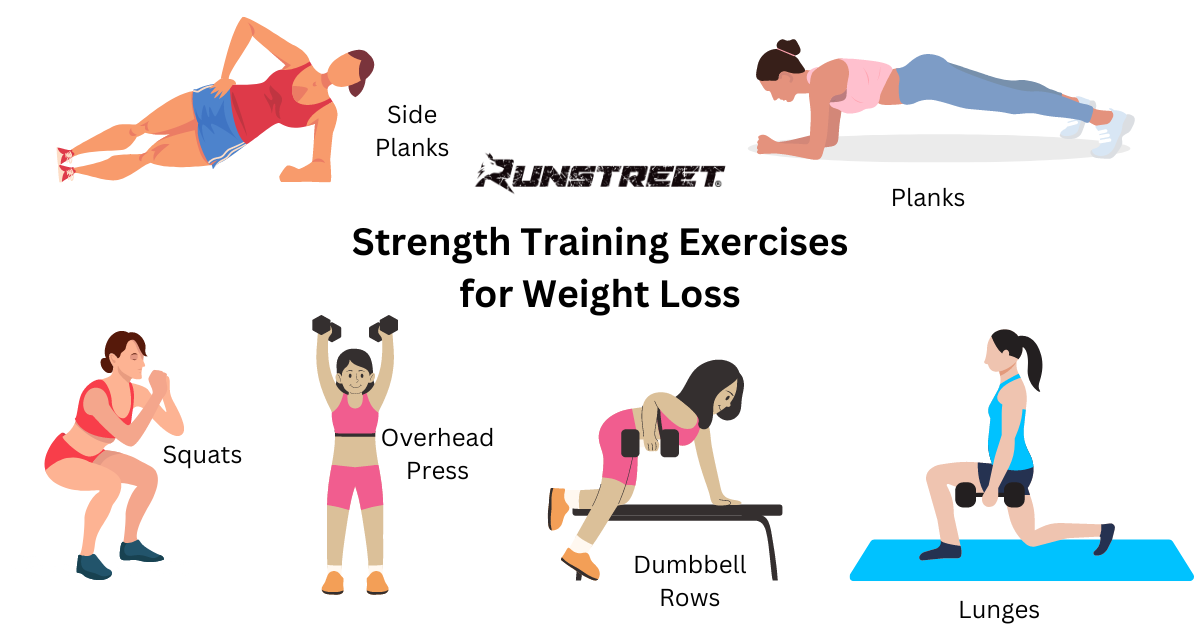
While aerobic exercise burns calories during the session, resistance training increases your Basal Metabolic Rate (BMR) by building lean muscle tissue.
-
Body Composition: Strength training ensures that the weight you lose comes from fat stores rather than muscle mass, preserving your physical strength and metabolic health.
3. Reduce Refined Carbohydrates and Added Sugars
Refined carbohydrates (white bread, sugary snacks, and sodas) are stripped of fiber and nutrients.
-
Insulin Response: These foods cause rapid spikes in blood glucose and insulin—the body’s primary fat-storage hormone.
-
The “Crash” Cycle: The subsequent blood sugar crash triggers the brain’s hunger signals, leading to overconsumption.
4. Implement Mindful Eating Protocols
Mindful eating is a psychological strategy used to prevent overconsumption.
-
Sensory Awareness: By eating without distractions (like television) and chewing slowly, you allow your brain the 20 minutes it typically needs to register satiety signals from the stomach.
5. Optimize Aerobic Activity (Cardiovascular Conditioning)
Strategic aerobic exercise, such as High-Intensity Interval Training (HIIT) or steady-state jogging, creates a significant caloric deficit. Consistent cardiovascular work improves mitochondrial density, making your body more efficient at utilizing stored fat as an energy source.
6. Adopt a Gradual, Phase-Based Approach
Rapid weight loss often leads to metabolic adaptation (the “starvation response”), where the body slows down its calorie burning.
-
The Gold Standard: Aiming for a loss of 0.5kg to 1kg (1-2 lbs) per week is the clinical standard for preserving muscle and preventing the “yo-yo” effect.
7. Utilize Social Accountability Systems
Behavioral science shows that individuals with an accountability partner—whether a professional trainer or a peer—are significantly more likely to adhere to long-term goals. External validation and regular progress updates help maintain discipline when internal motivation wanes.

8. Establish Non-Food Reward Systems
Rewarding progress is vital for dopamine regulation, but rewards should not be counterproductive to your goals. Instead of “cheat meals,” reward milestones with performance-based assets or luxury items.
For example, reaching a 5kg milestone could be rewarded with high-quality gear to further support your fitness journey:
Nike Air Zoom Pegasus 40 is a highly-rated running shoe known for its responsive cushioning and breathable mesh upper, making it an excellent reward for hitting a cardiovascular milestone. It provides the support needed for daily training sessions.
9. Monitor Progress with Weekly Data Tracking
If you aren’t tracking, you are guessing. A consistent weekly weigh-in provides the data necessary to adjust your caloric intake.
-
Energy Balance: To lose weight, you must maintain a caloric deficit—typically consuming 300–500 calories below your maintenance level.
10. Develop Psychological Resilience
Setbacks are a statistical certainty in any long-term project. The key to sustainable weight loss is the ability to resume your protocol immediately after a “missed” session or a dietary slip, rather than allowing a single event to derail your entire trajectory.
Comparison of Weight Loss Approaches
| Strategy | Speed of Results | Sustainability | Primary Benefit |
| Crash Dieting | Very Fast | Very Low | Immediate (Temporary) Change |
| Gradual Deficit | Moderate | High | Muscle Preservation & Health |
| Strength + Cardio | Moderate | High | Metabolic Rate Increase |
To maximize the efficiency of your training and diet, utilizing high-quality tracking hardware is essential. For body fat percentage and weight tracking, smart scales provide a comprehensive data set beyond just a single number. For calorie burn and heart rate monitoring, a fitness tracker allows for real-time adjustments during high-intensity sessions.
Comprehensive Smart Scales
These devices use Bioelectrical Impedance Analysis (BIA) to estimate body composition, allowing you to see if your weight loss is coming from fat stores or lean muscle.
The Withings Body Smart Scale is an advanced option that tracks 8 precise body metrics, including visceral fat and muscle mass. It even includes a Basal Metabolic Rate (BMR) assessment to help you understand your daily caloric needs at rest.
Final Summary
Motivation may initiate the journey, but discipline and consistency ensure the finish. By focusing on nutrient density, metabolic resistance, and psychological resilience, you can transform your body composition permanently.

