

Introduction: A Betrayal of the Hippocratic Oath
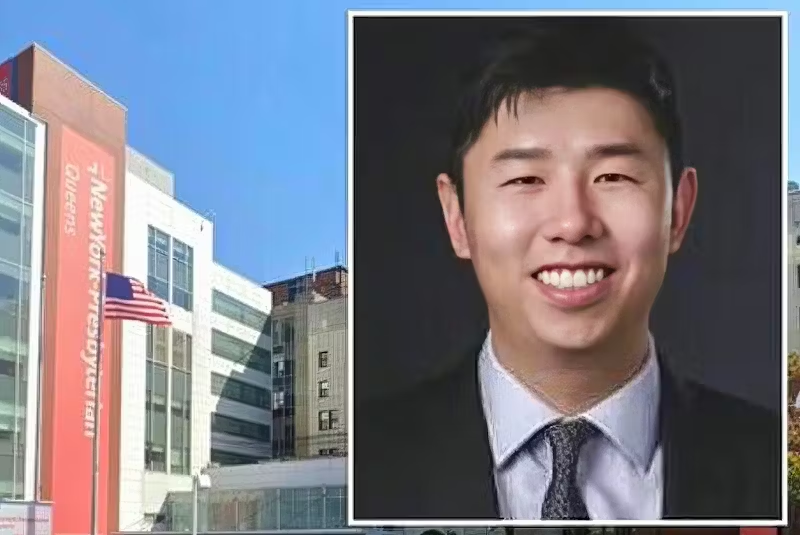
In the hierarchy of professional trust, the relationship between a physician and a patient is considered sacred. Patients grant doctors access to their most vulnerable physical states under the assumption of absolute safety. However, the case of Zhi Alan Cheng, a former gastroenterology fellow at New York-Presbyterian Queens, serves as a harrowing reminder of how that trust can be weaponized.
The investigation into Cheng’s activities revealed a systematic, premeditated pattern of sexual assault that spanned continents and years, eventually leading to a significant prison sentence. This article explores the details of the case, the digital evidence that proved pivotal, and the ongoing quest for justice for his numerous victims.
The Investigation: From Suspicion to Evidence
The case against Zhi Alan Cheng began to solidify in late 2022. While he was a rising figure in the medical community, a darker reality was hidden behind closed doors. The investigation initially focused on allegations brought forward by an acquaintance, but it quickly spiraled into a much larger probe as investigators gained access to Cheng’s digital footprint.
The Role of Digital Evidence
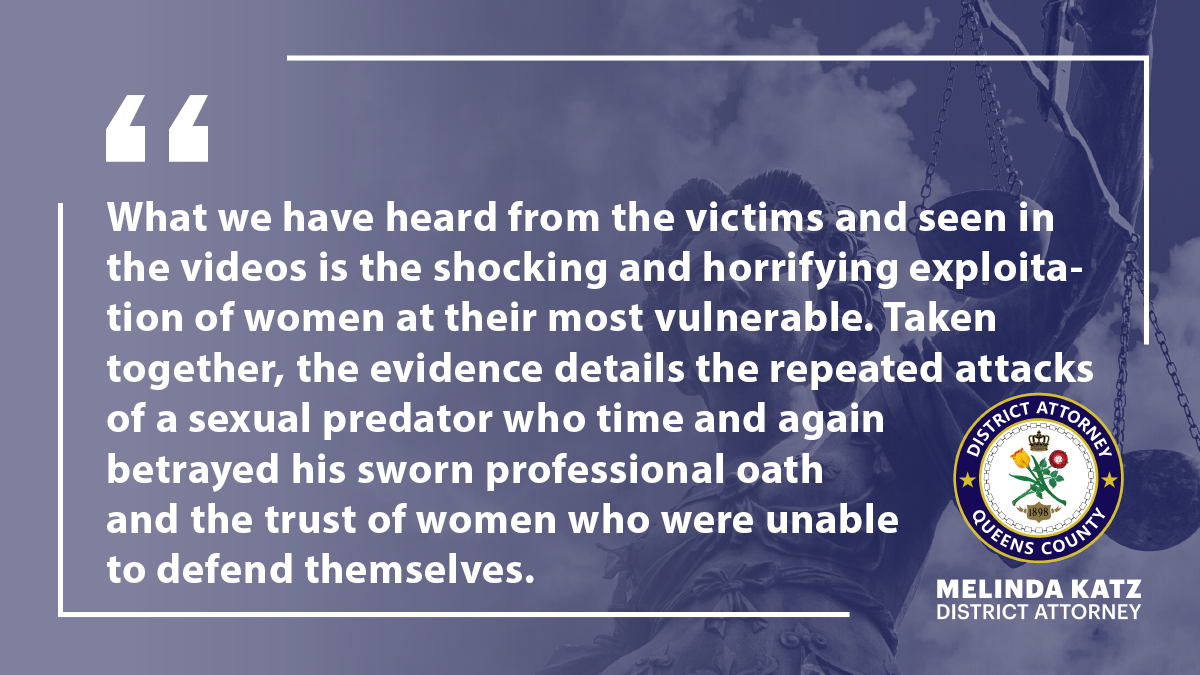
What separated this case from many other medical assault investigations was the sheer volume of self-incriminating evidence Cheng maintained. Investigators discovered hundreds of videos and photographs on his personal devices. These digital files depicted Cheng performing non-consensual sexual acts on women who appeared to be unconscious or heavily sedated.
The victims identified in these videos were not limited to New York; the footage suggested crimes committed in various locations, including Las Vegas, San Francisco, and Thailand. Perhaps most disturbingly, many of the victims were his own patients, assaulted while they were under his care in clinical settings.
The Crimes: Sedation as a Weapon
The mechanical nature of Cheng’s crimes involved the use of medical-grade anesthetics. As a gastroenterologist, Cheng had access to various sedatives used for procedures like colonoscopies and endoscopies. Prosecutors alleged that Cheng used his professional expertise to administer “knockout” drugs to his victims, ensuring they were incapable of resisting or remembering the assaults.
Clinical vs. Private Assaults
The prosecution divided Cheng’s crimes into two categories:
-
Clinical Assaults: Crimes committed within New York-Presbyterian Queens hospital during or around medical procedures.
-
Private Assaults: Crimes committed in his home or during travel, often involving acquaintances or women he met socially, whom he would then drugged and film.
The use of drugs like Propofol and other sedatives highlighted a terrifying breach of hospital protocol and a failure of oversight, raising questions about how a fellow was able to divert medication for illicit use without immediate detection.

The Legal Reckoning: Jail Sentence and Plea Deal
In 2024, the legal weight of the evidence forced a conclusion to the New York proceedings. Facing a mountain of digital evidence and the testimony of multiple brave survivors, Zhi Alan Cheng entered a guilty plea.
The Sentencing Details
Zhi Alan Cheng was sentenced to 25 years to life in prison. The sentence reflected the severity of his actions—specifically, multiple counts of first-degree predatory sexual assault and sexual abuse.
-
The “Predatory” Designation: The use of drugs as a “facilitator” for assault pushed his crimes into the most severe legal category, ensuring a lengthy mandatory minimum.
-
License Revocation: As part of the proceedings, Cheng’s medical license was permanently revoked, ensuring he would never again hold a position of authority over a patient.
During the sentencing, survivors provided powerful victim impact statements, describing the psychological trauma of discovering they had been assaulted through the existence of video footage they had no memory of being filmed.

Systemic Failures and Hospital Liability
The Cheng case did not end with his incarceration. It sparked a series of civil lawsuits against New York-Presbyterian Queens. Plaintiffs argued that the hospital failed to adequately supervise Cheng, ignored red flags, and allowed him unfettered access to patients and powerful sedatives.
The lawsuits emphasize that the hospital had a duty of care to protect sedated patients—a population that is inherently unable to defend themselves. The case has forced medical institutions nationwide to re-evaluate their “chaperone” policies, which require a second medical professional to be present during sensitive examinations or while patients are under anesthesia.
Editor’s Opinion: A Failure of the Safeguards
The Zhi Alan Cheng case is one of the most stomach-churning examples of medical predatory behavior in modern history. While the 25-year-to-life sentence provides a measure of justice, it does not erase the systemic failures that allowed a predator to operate within a prestigious hospital. The “God Complex” sometimes found in high-level medicine can create a shield for predators, where junior staff or even patients are afraid to question a doctor’s erratic behavior. This case should be a catalyst for “Zero-Trust” protocols in surgical and sedation suites. If a doctor can film their crimes and store them for years without detection, the failure is not just his—it belongs to every administrator who prioritized efficiency over patient safety.
FAQ: The Zhi Alan Cheng Case
Q: How many victims were involved? A: While several specific victims were named in the New York indictment, investigators believe there may be dozens more across the globe based on the hundreds of hours of video found on his devices.
Q: What hospital did Dr. Cheng work for? A: He was a gastroenterology fellow at New York-Presbyterian Queens in Flushing, New York.
Q: Is Zhi Alan Cheng eligible for parole? A: His sentence is 25 years to life. This means he must serve a minimum of 25 years before he is even eligible to apply for parole, and given the predatory nature of his crimes, release is far from guaranteed.
Q: Were the drugs he used stolen from the hospital? A: Evidence suggests Cheng diverted medical-grade sedatives from clinical supplies to facilitate his crimes both inside and outside the hospital.
Conclusion: Lessons for the Future
The legacy of Zhi Alan Cheng is one of profound trauma, but it has also brought a renewed focus on patient advocacy. As hospitals implement stricter monitoring of sedatives and mandatory chaperoning, the medical community hopes to close the loopholes that Cheng exploited. For the survivors, the sentencing marks the end of a legal chapter, but the process of healing from such a calculated betrayal of trust remains a lifelong journey.
Justice was served in the courtroom, but the healthcare industry must remain vigilant to ensure that the white coat is never again used as a cloak for such depravity.

