

Introduction: A Parody Gone Wrong
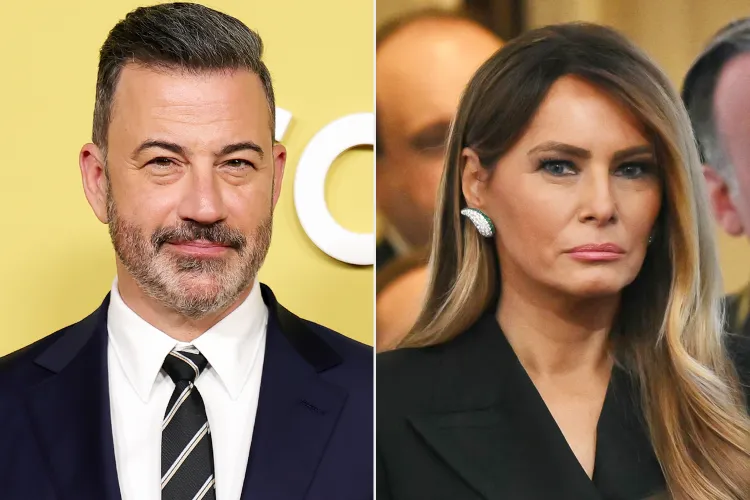
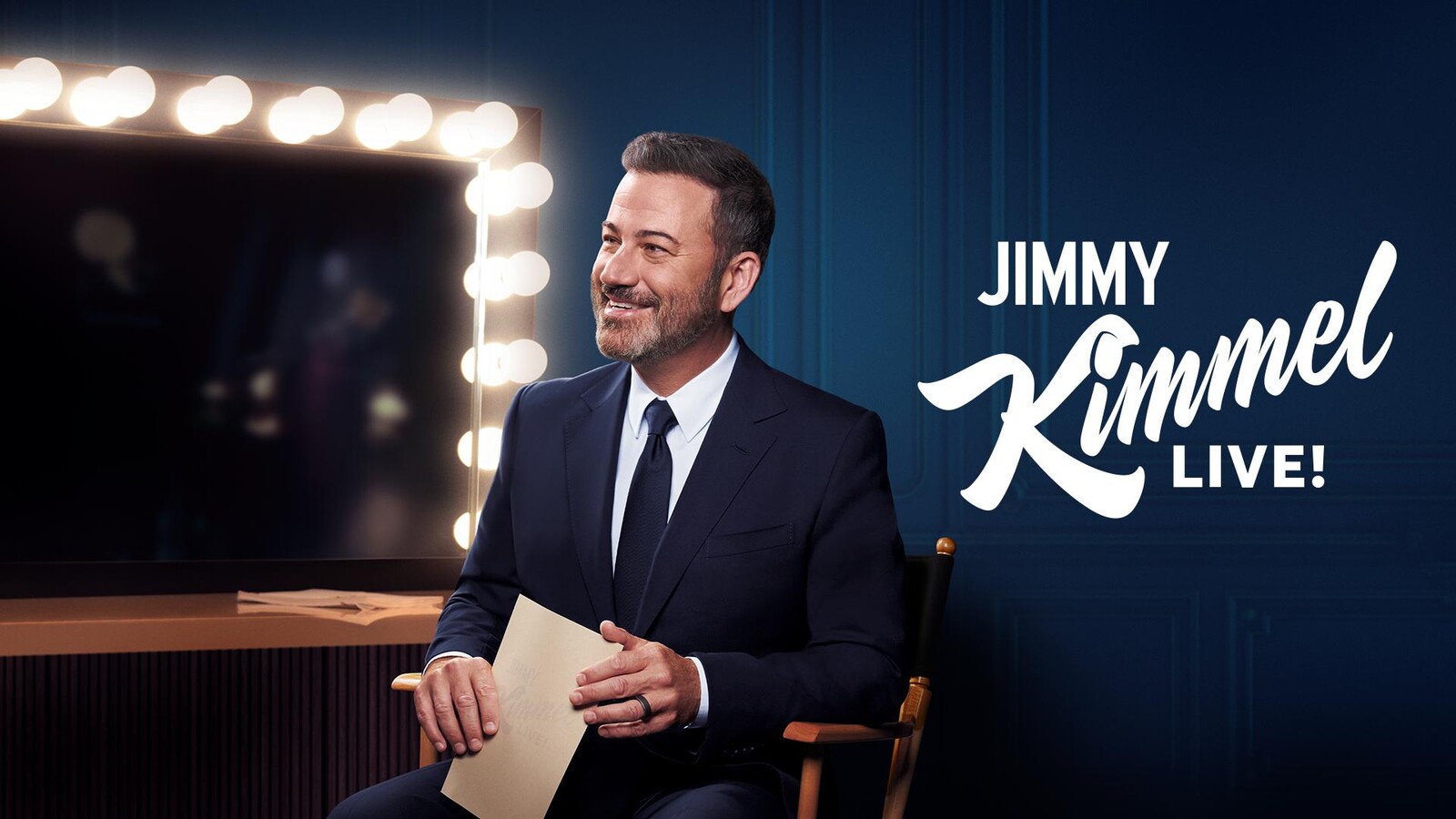
Late-night television has long been a battlefield for political commentary, but rarely does a single punchline ignite a national conversation about the limits of satire. During a segment on Jimmy Kimmel Live!, the host staged a parody of the White House Correspondents’ Dinner. While political figures are usually considered “fair game” in comedy, Kimmel took a sharp turn when addressing the then-First Lady, Melania Trump.
“Our first lady, Melania, is here. Look at Melania, so beautiful,” Kimmel began, before dropping the line that would dominate headlines: “Mrs. Trump, you have a glow like an expectant widow.”
The joke, which appeared to reference the potential death of the sitting President, immediately shifted the atmosphere from lighthearted mockery to intense public scrutiny. The fallout was swift, raising questions about whether late-night comedy has traded wit for vitriol.
The Anatomy of the Outrage
The backlash against Kimmel was not limited to a single political camp. While supporters of the Trump administration were the most vocal, media critics and even some of Kimmel’s peers questioned the “darkness” of the humor.
1. The Ethics of “Widow” Humour
In the world of comedy, “punching up” (mocking those in power) is the standard. However, critics argued that Kimmel’s joke was “punching down” by wishing—or at least joking about—the death of a spouse. The term “expectant widow” carries a heavy weight, implying that the spouse is actively waiting for their partner’s demise. For many viewers, this moved the needle from political satire to a personal, ghoulish attack on a family unit.
2. The Reaction from the Public
Within hours of the broadcast, social media platforms were flooded with calls for a boycott. The hashtag #CancelKimmel began trending, with users pointing out that if a conservative comedian had made a similar joke about a Democratic First Lady, the professional consequences would have been instantaneous. This sparked a broader debate about the perceived double standards in Hollywood and late-night media.
Celebrity Responses and Peer Feedback
The controversy forced other public figures to take a stand. In Hollywood, where Kimmel is generally a well-liked figure and frequent awards show host, the silence from some was as telling as the critiques from others.
-
Political Commentators: Several conservative media figures labeled the joke “vile” and “unfit for broadcast television.” They argued that targeting a spouse—who holds no legislative power—crosses a traditional boundary of political civility.
-
Late-Night Peers: While other hosts like Stephen Colbert or Seth Meyers didn’t directly condemn the joke on air, the shift in tone across the late-night landscape was palpable. Some industry insiders suggested that such jokes make it harder for comedians to claim the “moral high ground” when discussing political decorum.
-
The Trump Family: Sources close to the former First Lady expressed that the joke was “beyond the pale,” emphasizing that family members should be off-limits for such aggressive, morbid commentary.
Comparisons to Traditional Political Satire
To understand the weight of this outrage, we must compare it to the “Golden Era” of political comedy. Comedians like Jay Leno or David Letterman frequently mocked presidents for their policies, their gaffes, or even their physical appearances. However, there was a silent agreement that the mortality of a sitting president was not a subject for a monologue punchline.
Kimmel’s joke represents a shift toward “partisan edge” comedy, where the goal is no longer just to find the laugh, but to signal a specific political stance to a polarized audience.
Editor’s Opinion: The Death of the Middle Ground
In my view, the Jimmy Kimmel “widow” joke is a symptom of a larger disease in modern media: the loss of the “comedy safety valve.” Comedy used to be the one place where we could all laugh at the absurdity of power. By introducing themes of death and widowhood into a comedy set, Kimmel didn’t just offend his targets; he alienated the “middle-of-the-road” viewer who just wanted a laugh before bed. As a professional creator, I believe that when a joke requires the audience to find the potential death of a human being funny, the comedian has failed their primary mission of being clever. There is a vast difference between being “edgy” and being “mean-spirited,” and this segment clearly landed in the latter.
FAQ: Frequently Asked Questions
Q: Did Jimmy Kimmel apologize for the joke? A: Kimmel’s approach to backlash is often to double down rather than offer a formal apology, frequently citing that his targets are public figures who subject themselves to scrutiny. However, the intensity of this specific outrage led to a noticeable shift in his segment topics in the following weeks.
Q: Is “expectant widow” a common comedic trope? A: No. It is an extremely rare and dark phrase in comedy. While “Black Comedy” exists, it is rarely used by mainstream network late-night hosts who rely on broad advertiser appeal.
Q: What were the professional repercussions for Kimmel? A: While he retained his position at ABC, the joke became a “talking point” for critics of network television, often cited as proof of a lack of objectivity and a decline in late-night quality.
Q: Has Melania Trump ever responded directly? A: Melania Trump has generally maintained a policy of not engaging with late-night comedians directly, though her office has released statements in the past condemning the “bullying” of the Trump family by the media.
Conclusion: The Boundary of the Laugh
The Jimmy Kimmel “widow” joke will likely go down in television history as a case study in tonal failure. It serves as a reminder that even in an era of heightened political tension, some boundaries remain. Comedy is a tool for speaking truth to power, but when that tool is used to mock the sanctity of life or the grief of a spouse, it loses its sharpness. For late-night hosts moving forward, the lesson is clear: the audience’s appetite for “edge” does not extend to the grave.

