

Introduction: A Serious Breach of Community Safety
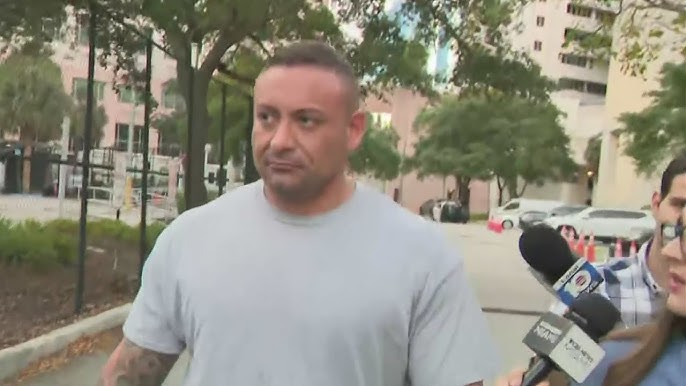
The recent arrest of 43-year-old Carlos Lewin has brought a critical issue to the forefront of public discourse: the protection of our most vulnerable citizens. Lewin was taken into custody and charged with two counts of battery on a person 65 years or older.
Under Florida law, and in many jurisdictions across the United States, crimes committed against the elderly are not treated as standard physical altercations. They are elevated to a higher class of felony, reflecting society’s commitment to protecting those who may be less able to defend themselves. This article examines the specifics of the Lewin case, the legal framework surrounding elder battery, and the societal consequences of such actions.
The Allegations and the Arrest
While the specific details of the altercation involving Carlos Lewin continue to emerge through court filings, the core of the charges is clear. Lewin is accused of intentionally touching or striking two individuals over the age of 65 against their will.
In many states, including Florida (where statutes regarding the elderly are particularly stringent), the age of the victim is the “aggravating factor.” When an individual reaches the age of 65, they enter a protected legal class. The arrest of a 43-year-old man—someone in the physical prime of his life—allegedly striking two seniors highlights a significant disparity in physical capability, which is exactly what these laws are designed to address.
Understanding the Law: Battery on a Person 65+
To understand the gravity of Carlos Lewin’s situation, one must look at the statutory definitions. In Florida, for example, Florida Statute § 784.08 specifically addresses the “reclassification” of crimes against the elderly.
1. Reclassification of Felonies
Normally, a simple battery is a first-degree misdemeanor. However, when the victim is 65 or older, the charge is automatically reclassified:
-
Simple Battery (Misdemeanor) becomes a Third-Degree Felony.
-
Aggravated Battery (Second-Degree Felony) becomes a First-Degree Felony.
2. Mandatory Minimums and Penalties
A third-degree felony in this context carries a potential prison sentence of up to five years and a fine of up to $5,000. Because Lewin faces two counts, he could potentially face up to a decade in prison if the sentences are served consecutively. Furthermore, Florida law often mandates that individuals convicted of elder battery perform community service and, in some cases, pay restitution for medical expenses incurred by the victims.
The Psychological and Physical Impact on Seniors
Battery on an elderly person is rarely “just” a physical wound. For individuals over 65, the physiological response to trauma is significantly different than that of a younger person.
-
Physical Vulnerability: Bone density issues (osteoporosis) mean that a strike or a push that might only bruise a 40-year-old could result in a shattered hip or broken ribs for a senior.
-
Delayed Recovery: The healing process for older adults is slower, often leading to secondary complications like pneumonia or mobility loss following a period of bed rest.
-
The “Fear Factor”: Perhaps most devastating is the loss of independence. Seniors who are victims of battery often experience a permanent decline in their sense of safety, leading to isolation and depression.
The Legal Process Ahead for Carlos Lewin
Following his arrest, Lewin will undergo a standard judicial process, likely beginning with a bond hearing. In cases involving battery on the elderly, judges often consider the defendant’s prior criminal history and the extent of the victims’ injuries when setting bail.
The prosecution will need to prove three things:
-
Lewin intentionally touched or struck the victims.
-
The touching was against the victims’ will.
-
The victims were, in fact, 65 years of age or older at the time of the incident.
If the defense cannot successfully argue self-defense or lack of intent, the age of the victims remains an objective fact that triggers the felony status of the charges.
Editor’s Opinion: A Necessary Line in the Sand
The arrest of Carlos Lewin serves as a sobering reminder that age-based protections are not mere formalities—they are a moral necessity. As we age, our physical resilience wanes, making us susceptible to bullies and predators who would never dare challenge someone their own size or age. By elevating battery on a 65-year-old to a felony, the legal system sends a clear message: the elderly are not “soft targets.” While every defendant is entitled to their day in court and the presumption of innocence, the charges against Lewin represent a serious breach of the social contract. Protecting our seniors is not just about law enforcement; it’s about maintaining the dignity and safety of those who built the world we currently enjoy.
FAQ: Battery on the Elderly
Q: Why is 65 the “magic number” for these charges? A: Most jurisdictions use 65 as the threshold because it aligns with federal retirement ages and is a statistically significant point where physical vulnerability begins to increase.
Q: Can a charge be reduced if the defendant didn’t know the victim was 65? A: In many states, including Florida, the defendant’s knowledge of the victim’s age is irrelevant. It is a “strict liability” factor; if the victim is over 65, the charge is reclassified regardless of what the defendant believed.
Q: What is the difference between Elder Abuse and Battery on the Elderly? A: Battery is typically a single physical incident. Elder Abuse often refers to a pattern of neglect, financial exploitation, or ongoing physical harm, usually by a caregiver or person in a position of trust.
Q: Are there additional penalties for these crimes? A: Yes. Many states require those convicted of elder battery to undergo anger management counseling and maintain a permanent “No Contact” order with the victims.
Legal Disclaimer
This article is provided for informational purposes only and does not constitute legal advice. Carlos Lewin is presumed innocent until proven guilty in a court of law. Legal statutes vary by state and jurisdiction; individuals seeking legal counsel regarding battery charges or elder law should consult with a licensed attorney in their specific region.
Conclusion: Community Vigilance
The case of Carlos Lewin highlights the importance of community vigilance. Reporting suspicious behavior and supporting the legal protections afforded to seniors are vital steps in ensuring a safe environment for all. As the legal proceedings against Lewin move forward, the focus remains on justice for the victims and the continued enforcement of laws that prioritize the safety of our older population.

