

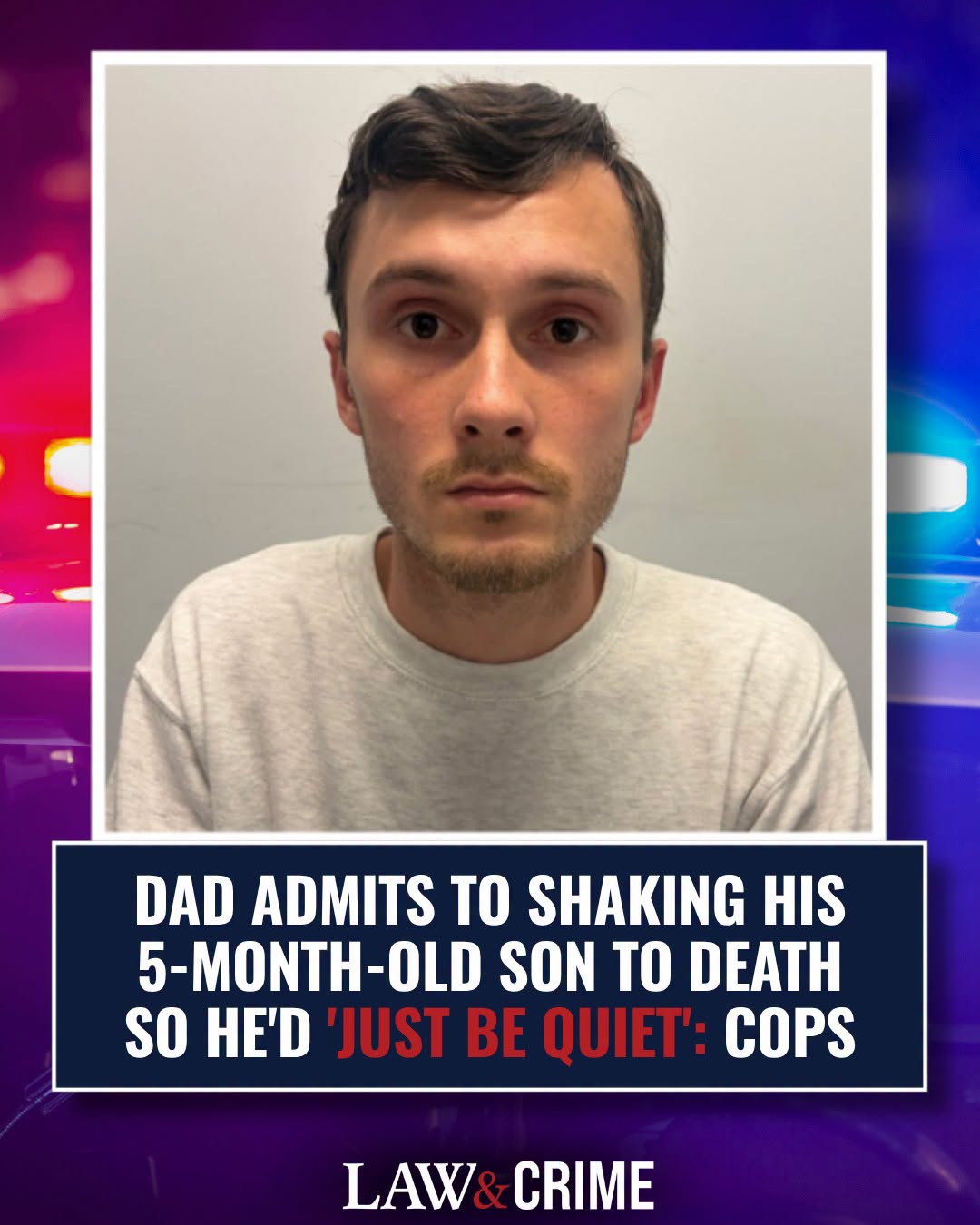
A preliminary hearing in a Virginia courtroom revealed harrowing details surrounding the death of a 5-month-old infant after prosecutors played audio recordings of a recorded telephone conversation. On October 15, 2026, 22-year-old Nathan Travis-Nunnally faced judicial review as state prosecutors presented evidence detailing the moments leading up to his son’s fatal injuries.
According to court reports and local news coverage by WTVR, Travis-Nunnally explicitly admitted during a recorded phone call that he forcefully shook his infant son out of extreme frustration over the child’s persistent crying. The case underscores the tragic consequences of abusive head trauma (AHT) and highlights the pivotal role that audio admissions and digital forensics play in modern criminal prosecutions.
Click image below for a chance to win 2k a week for 1 week

https://www.facebook.com/groups/crimeshowaddicts/permalink/2140141123251438/‘
kick him out airplane no parachute
https://www.facebook.com/photo/?fbid=122198616476908378&set=a.122102708474908378
Preliminary Hearing Highlights and Recorded Audio Evidence
During the October 15 preliminary hearing, state prosecutors focused heavily on establishing probable cause to advance felony homicide and child abuse charges to a grand jury for formal indictment. The central piece of evidence presented was a recorded phone call made by the infant’s uncle.
Key Details Introduced at the Hearing:
-
The Admission: On the recording played for the court, Travis-Nunnally can be heard recounting the incident, stating, “I just wanted him to be quiet,” before admitting to shaking the 5-month-old boy.
-
The Context of Frustration: Prosecutors established that the defendant became overwhelmed by the infant’s crying, leading to a sudden loss of impulse control and violent physical shaking.
-
Medical Response: Following the physical trauma, emergency medical personnel were dispatched to the residence, but pediatric intensive care physicians were unable to reverse the catastrophic neurological damage.
Recorded admissions—especially those captured on family calls or police interrogations—often serve as the primary cornerstone for grand jury indictments, severely limiting initial defense arguments of accidental falling or sudden infant death syndrome (SIDS).
Medical & Forensic Overview: Abusive Head Trauma (AHT)
In severe child abuse prosecutions involving infants, medical testimony centers heavily on the biomechanics of Abusive Head Trauma (AHT), historically referred to as Shaken Baby Syndrome (SBS).
Infants possess weak neck muscles and proportionally heavy heads. When an infant is forcefully shaken, the rapid acceleration-deceleration motion causes the brain to strike the interior walls of the skull, leading to immediate tissue destruction.
[Forceful Rotational Motion] ➔ [Subdural Hematoma & Retinal Hemorrhages] ➔ [Cerebral Edema / Tissue Death] ➔ [Cardiopulmonary Failure]
Forensic Triad of Symptoms:
-
Subdural Hematoma: Pooling of blood between the brain surface and the dura mater caused by torn bridging veins.
-
Cerebral Edema: Severe brain swelling that cuts off blood flow and vital oxygen delivery.
-
Retinal Hemorrhages: Bleeding behind the eyes, which serves as a key diagnostic differentiator between accidental domestic falls and non-accidental violent shaking.
During trial proceedings, forensic pathologists and pediatric intensive care specialists testify to the precise forces required to cause these internal injuries, demonstrating to a jury that the damage could not have resulted from normal handling or minor accidental drops.
Virginia Legal Framework and Potential Penalties
Under the Code of Virginia, physical abuse leading to the death of a minor can trigger several severe statutory felony charges, depending on the grand jury’s formal indictment.
| Potential Charge (Virginia Code) | Classification | Statutory Exposure / Penalty Range |
| Second-Degree Murder (§ 18.2-32) | Class 2 Felony | 20 to 40 Years in a Virginia State Correctional Facility. |
| Felony Child Abuse / Neglect (§ 18.2-371.1) | Class 4 Felony | 2 to 10 Years per individual count. |
| Involuntary Manslaughter (§ 18.2-36) | Class 5 Felony | 1 to 10 Years (used as secondary option if intent is disputed). |
Given that prosecutors introduced evidence of direct admission and severe physical trauma, the Commonwealth’s Attorney is likely seeking upper-tier murder indictments. In Virginia, felony murder charges linked to underlying child abuse carry mandatory minimum terms of imprisonment that severely limit early parole eligibility.

Legal Strategy & Next Procedural Steps
Following the conclusion of the preliminary hearing on October 15, the presiding judge ruled that sufficient probable cause exists to certify the criminal charges to the Circuit Court grand jury.
Upcoming Stages in the Prosecution:
-
Grand Jury Indictment: Prosecutors will present the certified charges and physical evidence logs to a grand jury to secure a formal true bill of indictment.
-
Formal Arraignment: The defendant will enter an initial plea (typically not guilty at this procedural stage) in the Circuit Court.
-
Pre-Trial Motions & Evidentiary Challenges: Defense counsel may attempt to challenge the admissibility of the recorded phone call based on wiretapping statutes or consent laws, though calls made to private parties generally pass evidentiary muster.
-
Plea Negotiations vs. Trial: Facing explicit recorded statements, the defense team may negotiate a plea agreement to avoid exposure to maximum consecutive sentencing under a full jury verdict.
- In related reporting on legal precedents in severe pediatric abuse cases resulting in maximum statutory sentences, an Iowa court delivered a major sentence in October 2026. In the case titled “Justice for Baby Mia: Grimes Man Sentenced to 50 Years for Fatal Infant Abuse,” 24-year-old Dylan Brown was sentenced to 50 years in prison following a guilty plea to child endangerment causing death. During the sentencing hearing, Polk County District Judge Coleman McAllister cited the extreme severity of the child’s physical trauma and rejected defense motions requesting a lower mandatory minimum term. Rebutting defense arguments concerning mitigation, Assistant Polk County Attorney Shannon Bogolin emphasized the permanent gravity of the crime, stating, “This sentencing is not about his childhood; it is about the childhood he took.”
Community Prevention & Parental Support Resources
Tragedies involving infant shaking often occur during periods of intense parental exhaustion and stress. Child welfare organizations emphasize that crying is a normal developmental communication tool for infants and that parents who feel overwhelmed should immediately practice safe coping strategies.
-
The “Plan to Pause”: If an infant’s crying becomes overwhelming, parents are advised to place the baby safely on their back in an empty crib, close the door, and step away for 10 to 15 minutes to regain emotional composure.
-
National Parent Helpline: Call or text 1-855-427-2736 for emotional support and crisis advice.
-
Childhelp National Child Abuse Hotline: 1-800-422-4453 (24/7 confidential crisis intervention and reporting).

Frequently Asked Questions (FAQ)
What were the key charges against Nathan Travis-Nunnally during his preliminary hearing?
Nathan Travis-Nunnally faced preliminary felony charges involving infant homicide and severe child abuse/neglect in connection with the death of his 5-month-old son.
What evidence was presented during the October 15 hearing?
Prosecutors played a recorded telephone call conducted by the infant’s uncle, during which Travis-Nunnally admitted to shaking the baby because he wanted the child to stop crying.
What is Abusive Head Trauma (AHT)?
Abusive Head Trauma (AHT) is a severe form of physical child abuse caused by violently shaking or impacting an infant’s head, resulting in brain swelling, subdural bleeding, permanent brain damage, or death.
What potential prison sentence does a father face for shaking a baby to death in Virginia?
In Virginia, convictions for second-degree murder linked to child abuse carry statutory sentences ranging from 20 to 40 years in state prison, with additional consecutive terms possible for underlying child abuse felonies.

