

The Robert Richens Case Study
This article serves as a comprehensive Robert Richens case study, examining the intersection of domestic violence, digital-age psychology, and the UK justice system. By analyzing the forensic evidence and the perpetrator’s own words, we uncover the reality of a tragedy that shocked the city of Oxford.
Introduction: A Surreal Confession in Oxford
The world of true crime often presents narratives that are difficult to fathom, but few are as surreal as the case of Robert Richens. In May 2025, a tragic domestic dispute turned into a homicide investigation that shocked the public—not only because of the violence involved but because of the perpetrator’s bizarre focus on a video game release during his arrest.
The Subtitle of a Crime: Digital Preoccupation
The most striking element of this case is the “digital preoccupation” displayed by the defendant. Instead of remorse, the suspect’s immediate concern was his inability to participate in a cultural milestone, a behavior that has sparked debate among forensic psychologists worldwide.
The Tragic Events of May 30, 2025
On the morning of May 30, 2025, the quiet atmosphere of Oxford was shattered by a self-reported emergency call. Robert Richens, then 35, contacted emergency services with a confession that would set a grim legal process in motion. “I think I accidentally killed someone,” Richens told operators.
The Victim: Rachel Vaughn
The victim was identified as Rachel Vaughn, a 40-year-old mother of two. While Richens initially characterized the event as an “accident” during a heated argument, the subsequent forensic evidence and witness testimonies painted a much more calculated and brutal picture.
The Infamous Bodycam Footage
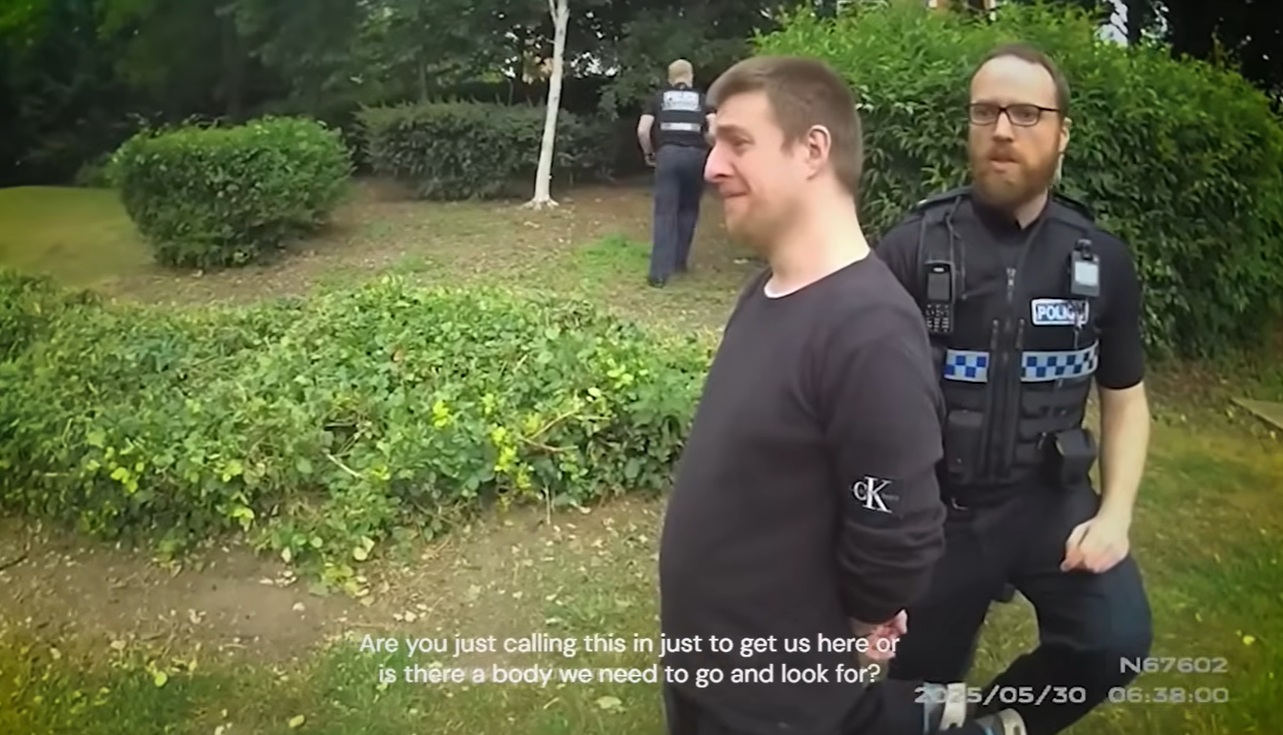
When Thames Valley Police arrived at the scene, they were met by a man who appeared distraught but whose words quickly took a turn toward the absurd. As officers moved to secure the area and read Richens his rights, his focus shifted from the victim to his own future.
“I’m Going to Miss GTA”: The Viral Comment
Captured on bodycam footage, Richens can be heard weeping not for the life lost, but for his inability to play the upcoming release of Grand Theft Auto VI (GTA 6).
“I’m going to miss GTA and that… I’m going to get life,” Richens lamented to arresting officers.
This moment has since been cited as a primary example of “emotional detachment” and “narcissistic preoccupation,” where the offender’s primary concern remains their own comfort even in the face of a heinous act.

A History of Coercion and Control
The prosecution at Oxford Crown Court revealed that the murder was not an isolated incident of “lost temper” but the culmination of a long-standing pattern of domestic abuse and coercive control.
The Pattern of Abuse
Evidence showed that Rachel Vaughn had been attempting to distance herself from Richens’ volatile behavior. Just days before her death, she had sought refuge with a male friend. Richens’ reaction was one of possessive rage, sending threatening messages that signaled his intent long before the fatal encounter.

The Forensic Reality: Evidence of Brutality
Despite Richens’ claims that the death was accidental, court documents revealed the true extent of the violence:
- Sustained Assault: Forensic analysis proved that the attack lasted several minutes.
- Multiple Injuries: The victim suffered multiple rib fractures and severe traumatic brain injury.
- Failure to Render Aid: Richens waited for several hours before dialing emergency services, leaving Vaughn to succumb to her injuries alone.
Legal Analysis: Life Imprisonment
Richens eventually pleaded guilty to murder on December 12, 2025. This plea was likely a strategy to secure a minor reduction in his minimum term, though the judge was unmoved by the defense’s claims of accidental harm.
The Final Sentencing
On February 6, 2026, Robert Richens was sentenced to life imprisonment with a minimum term of 16 years and one month. He will remain in prison until at least 2041 before being eligible for a parole hearing.

FAQ: Key Facts of the Richens Trial
Q: Why is this case significant for true crime fans? A: It highlights how modern technology and entertainment (like video games) manifest in the subconscious of criminals during high-stress arrests.
Q: What is the minimum term for a life sentence in the UK? A: It is the absolute shortest time a prisoner must serve before they can apply for parole. It does not guarantee release.
Q: Did mental health play a role in the defense? A: While the defense argued mental health issues, the court ruled that the pre-planned threats and severity of the attack indicated clear criminal intent.

Legal Disclaimer
The information provided in this article is for educational and informational purposes only. While every effort has been made to ensure the accuracy of the details regarding the Robert Richens case, court proceedings and legal interpretations can vary. This content does not constitute legal advice. Readers should refer to official court transcripts and police reports for definitive legal records. The views expressed in the psychological analysis are based on public observations and expert commentary and do not serve as a clinical diagnosis.

