

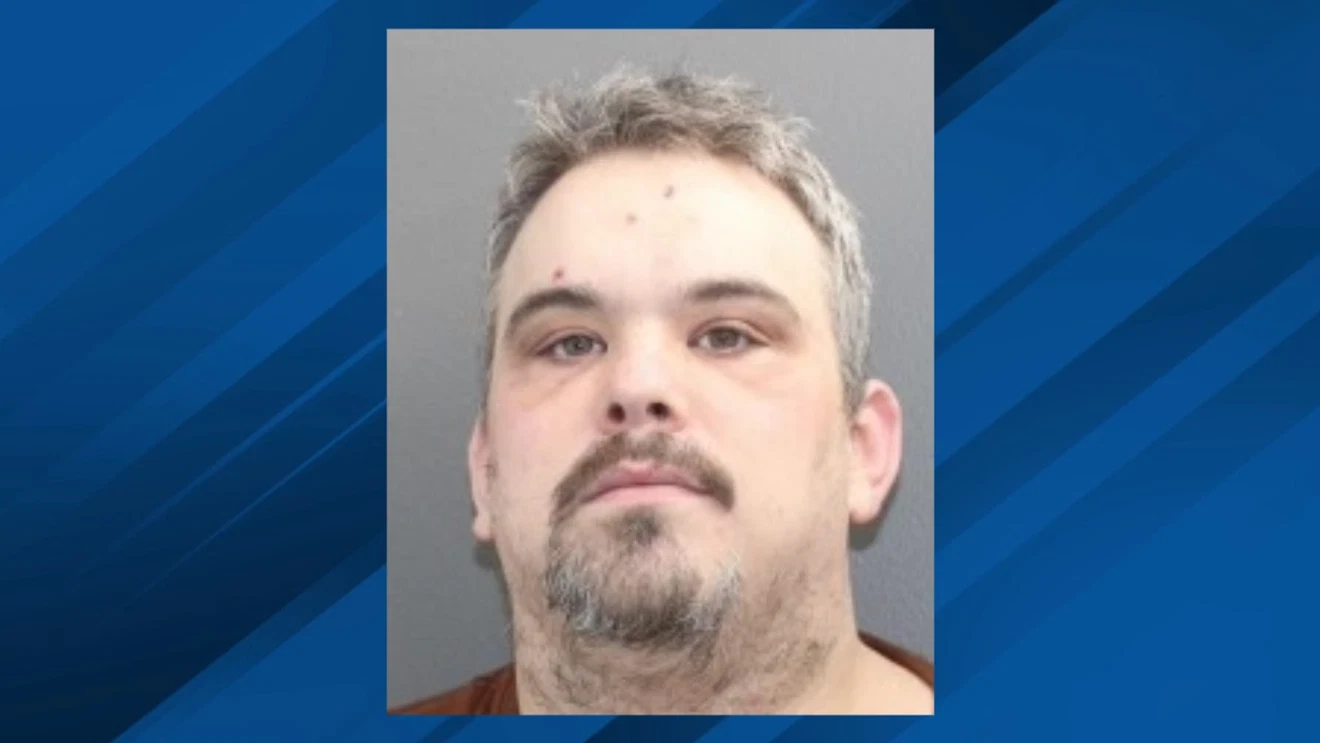
Legal Notice: The following report summarizes public legal proceedings and historical records from Schenectady, New York. Under the United States legal system, all individuals are presumed innocent until proven guilty in a court of law. This analysis is for informational and educational purposes.
In April 2026, the New York State Unified Court System concluded the sentencing phase for Robert Buskey Jr., a 35-year-old former Mixed Martial Arts (MMA) competitor. Buskey was sentenced to 27 years to life in state prison following a guilty plea related to the 2024 death of his five-year-old daughter and the severe endangerment of his three-year-old son.
This case has sparked significant legal debate regarding the threshold for “Depraved Indifference Murder” and the role of parental responsibility within the framework of chronic substance abuse.
1. Forensic Evidence and The Scene of the Crime
The investigation into the Elmer Avenue residence revealed conditions that fundamentally challenged the defense’s initial claims of poverty-induced neglect. Law enforcement discovered a surplus of nutritional resources within the home, contradicting the emaciated state of the victims.
Key Evidentiary Findings:
| Category | Description | Legal Significance |
| Physical Confinement | Use of adhesive tape to seal bedroom doors and the construction of a makeshift cage. | Proves intentionality and consciousness of action. |
| Nutritional Disparity | Household found with adequate food supplies. | Establishes “Depraved Indifference” by proving neglect was elective, not circumstantial. |
| Toxicology | Presence of cocaine in the system of a three-year-old minor. | Led to the felony charge of Criminal Sale of a Controlled Substance to a Child. |
2. Understanding “Depraved Indifference” under NY Penal Law
The prosecution’s ability to secure a life sentence rested on New York Penal Law Section 125.25(2). Unlike intentional murder, depraved indifference requires the state to prove that the defendant acted with a “wickedness” and a total disregard for the value of human life.
In the Buskey case, the court ruled that the cognitive effort required to construct physical restraints (the cage) and to secure a child’s room against escape demonstrated a level of awareness that transcended “accidental” neglect. The judge noted that the defendant’s self-care and maintenance of his own needs, while his dependents suffered, fit the statutory definition of an “abandoned and malignant heart.”
3. The Defense Theory vs. Judicial Reality
The defense team proposed a theory of diminished capacity, suggesting that Buskey’s severe cocaine addiction and deteriorating mental health had detached him from reality. They argued that his lack of empathy was a physiological symptom of drug-induced psychosis.
The court rejected this mitigation strategy. The presiding judge emphasized that the defendant’s MMA background and physical capabilities meant he possessed the strength to provide protection but instead utilized his physical presence to enforce neglect. The court ultimately characterized the crimes as “narcissistic” and “self-absorbed,” rather than a byproduct of a breaks from reality.
4. Systemic Failures and Public Safety Reform
The fallout from this case has led to a critical re-examination of Child Protective Services (CPS) and mandatory reporting protocols in New York.
-
The Oversight Gap: Despite the household’s history, red flags were missed by local pediatricians and social services.
-
The Bystander Effect: Reports suggest neighbors may have heard signs of distress but failed to contact authorities. This has initiated discussions among state legislators regarding “Duty to Rescue” laws for civilians who witness child endangerment.
5. Editor’s Strategic Analysis
The Robert Buskey Jr. sentencing serves as a grim landmark in New York’s efforts to prosecute high-level child neglect. In my view, the decision to impose a 27-year minimum reflects a judicial trend of holding parents accountable for “lifestyle-based” neglect. By refusing to accept substance abuse as a total defense for depraved indifference, the court is signaling a zero-tolerance policy for parental accountability.
Furthermore, the Permanent Order of Protection issued by the court serves as a vital legal tool. By permanently severing parental rights, the court prioritizes the long-term safety and psychological recovery of the surviving minor over the defendant’s biological claim to parenthood.
Public Safety Resources: Identifying and Reporting Child Neglect
In the interest of public safety and to provide helpful resources for readers, the following information is provided:
-
National Child Abuse Hotline: Call or text 1-800-422-4453. This service is available 24/7 and is confidential.
-
Signs of Neglect: Indicators include consistent poor hygiene, untreated medical issues, extreme hunger, or children being left in unsafe environments.
-
Mandatory Reporting: Many professionals (teachers, doctors, etc.) are required by law to report suspected abuse. However, in many states, any concerned citizen can make an anonymous report to their local Social Services department.

