

The Preston Davey Trial Verdict: Justice Delivered for a Defenceless Child
The public expectations placed on educators and parents are rooted in a foundational assumption of safety, protection, and care. When those boundaries are shattered in the most violent manner imaginable, it sends shockwaves through local communities and the wider justice system. The recent trial of high school teacher Jamie Varley and his partner, John McGowan-Fazakerley, has concluded with a decisive and sobering verdict, bringing an end to a case that has gripped public attention with its profound tragedy.
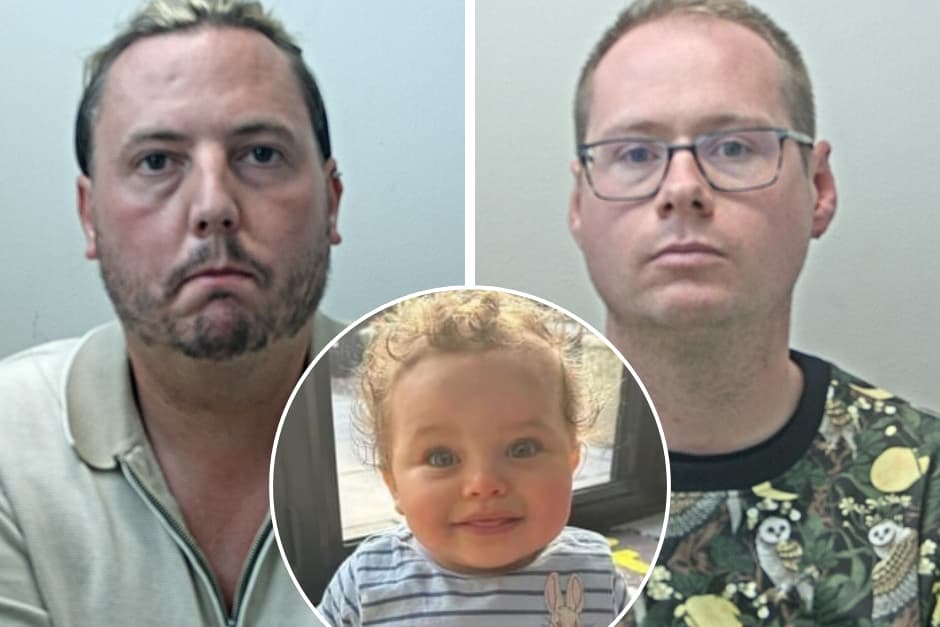
Jamie Varley, 37, has been found guilty of the murder of his adopted 13-month-old son, Preston Davey. Simultaneously, his partner, 32-year-old John McGowan-Fazakerley, has been convicted of allowing the death of a child. The verdicts, delivered after intense jury deliberations, mark the culmination of an exhaustive investigation into the systemic abuse and ultimate death of a vulnerable toddler who had been placed into the couple’s home under the promise of a stable, loving future.
The Background: A Home Built on Broken Promises
Preston Davey entered the care of Varley and McGowan-Fazakerley through the adoption system—a process designed to transition children from vulnerable beginnings into secure, protective environments. Varley, a respected high school teacher, possessed professional credentials that suggested an innate understanding of child development, patience, and safeguarding protocols.
However, the prosecution successfully demonstrated that behind the facade of a progressive, professional household lay a environment characterized by severe physical abuse and catastrophic neglect. Medical evidence presented during the multi-week trial painted a grim reality of the final months of Preston’s short life. Instead of the sanctuary an adoptive home is legally and morally required to provide, the 13-month-old was subjected to repeated, escalating physical trauma.
The Varley Adoption Horror: When the “Sanctuary” Becomes a Crime Scene
The harrowing reality of the Preston Davey case forces a complete dismantling of the public facade presented by his adoptive parents. When an infant is placed into a new home, the legal system and society at large operate under the assumption that a sanctuary has been established—a safe haven designed to protect a vulnerable child from the unpredictable dangers of the outside world. Yet, the evidence presented in court exposed a terrifying subversion of this protective ideal. Inside the walls of what should have been a secure household, the sanctuary was systematically transformed into a hidden crime scene, masked by the professional credentials of an educator and the quiet compliance of his partner.
Read that article here: The Varley Adoption Horror: When the ‘Sanctuary’ Becomes a Crime Scene
The Medical Evidence and Prosecutorial Case
The turning point in the trial rested heavily on forensic pathology and expert medical testimony. Emergency services were initially called to the couple’s residence following reports that the toddler was unresponsive. Despite the best efforts of first responders and medical staff, Preston succumbed to his injuries.
A subsequent post-mortem examination revealed a harrowing catalog of internal and external injuries that completely contradicted the defense’s narrative of an accidental fall or sudden medical episode. The prosecution established that Preston had suffered:
-
Severe, non-accidental head trauma consistent with violent shaking or direct impact.
-
Multiple fractures in varying stages of healing, indicating a chronic pattern of physical abuse over weeks or months.
-
Acute internal injuries that medical experts testified could only be caused by deliberate, high-force blunt impact.
During closing arguments, the prosecution emphasized Varley’s position of authority and trust. As an educator trained to spot signs of abuse in youth, Varley was acutely aware of what constituted physical harm, making his deliberate actions toward a defenseless infant even more egregious in the eyes of the jury.
Two Distinctions of Guilt: Murder vs. Allowing a Death
The jury was tasked with separating the distinct roles both men played in the catastrophic outcome. The legal definitions applied to their respective charges reflect the differing levels of direct action and complicity in the household.
Jamie Varley: Convicted of Murder
To secure a murder conviction, the prosecution had to prove beyond a reasonable doubt that Varley directly inflicted the fatal injuries with the intent to cause grievous bodily harm or death. The forensic timelines tightly linked Varley as the primary caregiver present when the final, fatal trauma occurred. His inability to provide a plausible, medically sound explanation for the sheer volume of injuries shattered his credibility on the witness stand.
John McGowan-Fazakerley: Convicted of Allowing the Death
While McGowan-Fazakerley was not found to have personally delivered the fatal blows, his conviction under the charge of “allowing the death of a child” carries significant legal weight. Under modern safeguarding laws, a co-habiting parent or guardian has a strict legal obligation to protect a child from known dangers. The prosecution successfully argued that McGowan-Fazakerley was fully aware of the ongoing abuse Preston was suffering at the hands of Varley, yet chose silence over intervention, failing to seek medical attention or alert child protection authorities.
Broad Accountability and Institutional Questions
The conviction of Jamie Varley and John McGowan-Fazakerley inevitably forces a uncomfortable spotlight onto the vetting and monitoring processes of the adoption framework. The case has sparked immediate demands from child protection advocates for an independent review into how a child was placed into an environment where such extreme abuse could pass undetected by social services.
A Systemic Failure: “The conviction of these two individuals is a vital step for justice, but it raises troubling questions about the oversight of adoptive placements. We must examine how signs of distress and chronic injury went unnoticed by professionals visiting the home.” — Regional Child Protection Advocate Statement.
Local authorities have confirmed that a routine practice review will be launched to investigate the timeline of Preston’s placement, the frequency of home visits, and whether any subtle red flags were missed by social workers or external family support networks prior to the tragedy.
Sentencing and the Road Ahead
Following the reading of the guilty verdicts, the presiding judge remanded both men in custody ahead of the formal sentencing hearing. In cases involving the murder of an infant by a person in a position of trust, the statutory guidelines point toward severe custodial sentences. Varley faces a mandatory life sentence with a high minimum tariff to be served behind bars before any possibility of parole evaluation. McGowan-Fazakerley also faces a lengthy prison term reflecting his criminal negligence and failure to protect his adopted son.
The conclusion of this trial provides a definitive legal resolution, ensuring that those responsible for the untimely and cruel death of Preston Davey face the full severity of the criminal justice system. However, for the community and the broader public, the case remains a sobering reminder of the critical importance of vigilant safeguarding, community awareness, and the unyielding duty of care owed to the most vulnerable members of society.

