

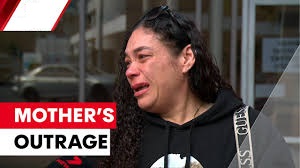
Seeking Justice in the Wake of Unspeakable Tragedy
How a Family’s Loss Sparked a National Conversation on Sentencing Laws and Road Safety Responsibility
The intersection of legal precedent and moral justice is often fraught with tension, but rarely has it been as palpable as in the case of Angelina Kauffman. In a scene that has gripped the public consciousness, the distraught mother stood outside a New South Wales court, her grief laid bare as she processed the sentencing of the man responsible for the deaths of her two children.
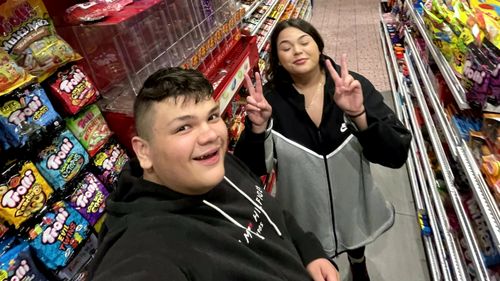
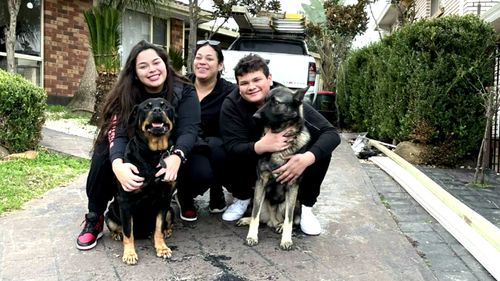
The case involves the tragic loss of Alina Kauffman (24) and her brother Ernesto Salazar (15), whose lives were cut short in a high-speed collision caused by Johnson Kokozian. The resulting legal outcome—a nine-year sentence with a non-parole period that could see the offender released in just a few years—has ignited a fierce debate regarding whether current road crime penalties truly reflect the value of human life.
The Anatomy of the Incident: A Fateful Joyride
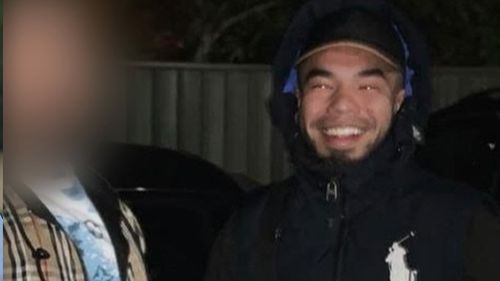
On the night of the tragedy, Johnson Kokozian, then 23, took his father’s high-performance Mercedes AMG for what has been described as a “joyride.” Traveling at speeds exceeding 100km/h, Kokozian lost control and crossed onto the wrong side of the road, colliding head-on with the vehicle carrying the two siblings.
The court heard harrowing details of the aftermath. Rather than rendering aid to the dying siblings, Kokozian’s immediate reactions appeared focused on the damage to the vehicle. Judge David Arnott, presiding over the case, was pointed in his critique, stating that the failure to stop and assist was “serious and callous.” This lack of empathy at the scene has been a central point of pain for the Kauffman family, who feel that the “hit and run” nature of the crime added an extra layer of cruelty to their loss.
The Legal Process: From Denial to Sentencing
Initially, Kokozian fled the scene, only turning himself in to the police later. While he eventually expressed guilt, his initial legal strategy involved denying he was behind the wheel. However, the weight of evidence led to a guilty plea for:
-
Two counts of aggravated dangerous driving occasioning death.
-
Two counts of failing to assist after a fatal impact.
Despite the gravity of these charges, the final sentencing of nine years, with a non-parole period of six years and six months, felt like a “slap in the face” to the victims’ mother. With time already served, the reality that the person responsible for two deaths could be back in the community by 2029 has left many questioning the adequacy of the judicial system.
Comparative Penalties for Road Crimes
| Charge Type | Max Penalty (NSW) | Kokozian Sentence | Potential Release |
| Aggravated Dangerous Driving | 14 Years | Included in 9-year total | 2029 (Parole) |
| Failing to Stop and Assist | 10 Years | Included in 9-year total | 2029 (Parole) |
The Mother’s Crusade: Advocating for Reform
“It’s like my kids’ lives meant nothing,” Angelina Kauffman told reporters. Her frustration is directed not just at the driver, but at the legislative framework that allows for such sentences. In response, she has transitioned from a grieving mother to a determined advocate, launching a petition to the NSW Parliament.
Her goal is clear: Sentencing Reform. She is calling for an increase in maximum penalties for serious road crimes, arguing that the current laws do not provide a sufficient deterrent nor do they offer a sense of closure to grieving families. Her plea to the Prime Minister and state politicians highlights a perceived gap between community expectations and judicial outcomes.
This should serve as a reminder to everyone to drive safely. If you are not an experienced driver, take some driving lessons, or get some practise in quiet and busy roads. Don’t drink and drive, don’t speed to try and impress other people, and always stay alert and take breaks when needed. Too many lives are taken every day. Most of the times it is preventable.
What did you guys think of the 9 year jail sentence? I personally think it is an appalling sentence, and completely disrespectful to the loved ones of the deceased siblings.
The Psychology of Reckless Driving
The Kokozian case serves as a dark case study in the psychology of reckless driving. Often, young drivers operating high-performance vehicles succumb to “optimism bias”—the belief that they are more skilled than they are and that an accident “won’t happen to them.”
When this bias is combined with high speed and a lack of experience, the results are almost always catastrophic. Experts suggest that road safety is not just about mechanical skill, but about moral responsibility. The decision to speed in a residential area is a decision to put others’ lives at risk for a momentary thrill.
Road Safety: Preventative Measures for a Safer Future
While no sentence can bring back Alina and Ernesto, the tragedy underscores the desperate need for improved road safety education. To prevent similar heartbreaks, the following pillars must be prioritized:
-
Graduated Experience: Inexperienced drivers should avoid high-performance vehicles until they have mastered defensive driving techniques.
-
The “Golden Hour”: The legal and moral obligation to stay at the scene and render assistance can save lives. Leaving a scene is a secondary crime that carries immense weight.
-
Alertness and Sobriety: Fatigue and intoxication remain the leading contributors to fatal accidents. Taking breaks and designating a driver are non-negotiable.
-
Peer Accountability: Often, joyrides involve passengers. Speaking up against reckless behavior in the car can prevent a fatal mistake.
FAQ: Frequently Asked Questions Regarding the Case
Why was the sentence only 9 years for two deaths? Sentencing in NSW is determined by a variety of factors, including the offender’s age, early guilty pleas (which often provide a “discount” on the sentence), and existing sentencing guidelines for “dangerous driving” as opposed to “murder” or “manslaughter.”
What is the “Angelina Kauffman Petition” seeking? The petition seeks to have the NSW Parliament review and increase the maximum penalties for aggravated dangerous driving occasioning death and failing to stop, ensuring that the judicial system reflects the severity of the loss of life.
When will Johnson Kokozian be eligible for parole? Taking into account his non-parole period and time already served in custody, he is currently scheduled to be eligible for parole in 2029.
How can the public support road safety reform? Citizens can support reform by engaging with local members of parliament, participating in community petitions, and supporting organizations focused on road trauma support and advocacy.
Conclusion: A Call for Cultural Change
The sobbing of a mother outside a courtroom is a sound that should resonate with every driver who gets behind the wheel. The Kokozian case is more than a news story; it is a stark reminder that a vehicle is a responsibility, not a toy. Until sentencing laws align with the profound gravity of losing innocent lives, families like the Kauffmans will continue to feel that justice remains elusive.
We must honor the memory of Alina and Ernesto not just through words, but through a collective commitment to safer, more responsible driving and a legal system that holds callousness to a higher account.
Legal Disclaimer: The information provided in this article is for informational purposes and reflects public court records and journalistic reporting as of 2026. Legal standards and sentencing guidelines vary by jurisdiction. This article does not constitute legal advice. While efforts are made to ensure accuracy, the judicial process is subject to appeals and further legal developments.

