

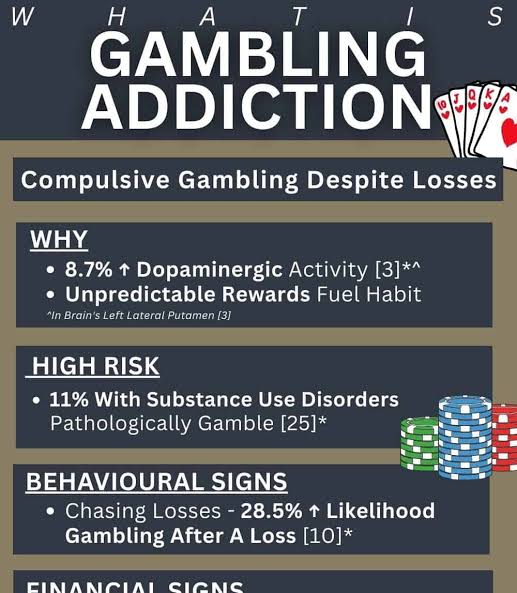
Compulsive gambling is rarely just a habit or a poor choice of entertainment. It is a progressive behavioral addiction that quietly systematically dismantled financial stability, destroys long-term wealth, and traps individuals in a vicious cycle of poverty. While the immediate rush of a win offers a fleeting high, the underlying mechanics of gambling are engineered to ensure the house always wins—leaving the gambler to pay the price with their financial future.
Understanding how compulsive gambling destroys your bank account, how the psychological trap operates, and why the weekly payday cycle is so difficult to break is the first step toward reclaiming control of your life and money.
https://www.reddit.com/r/GamblingAddiction/
How Gambling Addiction Works in the Brain
To understand the financial devastation of gambling, one must first understand the psychology of addiction. Gambling does not just exploit a desire for money; it exploits human biology.
1. Dopamine Hijacking
When you place a bet, your brain releases dopamine—the neurotransmitter associated with pleasure, reward, and motivation. Crucially, dopamine is released not just when you win, but in anticipation of winning. The uncertainty of the outcome creates a powerful neurochemical surge that rivals the effect of mood-altering substances.
2. The “Near-Miss” Effect
Slot machines, sports betting apps, and casino games are intentionally designed to produce “near-misses”—outcomes that look close to a win (e.g., getting two out of three matching symbols). The brain interprets a near-miss as a partial success rather than a total loss, encouraging the player to keep trying because a win feels imminent.
3. Loss Chasing and Cognitive Distortions
As losses accumulate, a dangerous shift occurs in the gambler’s mindset: chasing losses. The individual begins to believe that the only way to solve their growing financial problems is to gamble more. They succumb to cognitive distortions like the “Gambler’s Fallacy”—the mistaken belief that after a series of losses, a win is mathematically “due.”
How Gambling Addiction Destroys Your Finances
The transition from recreational betting to compulsive gambling brings severe financial hardship. The damage unfolds in predictable, devastating stages.
[ Stage 1: Disposable Income Lost ]
               │
               ▼
[ Stage 2: Savings & Assets Liquidated ]
               │
               ▼
[ Stage 3: High-Interest Debt Accumulation ]
               │
               ▼
[ Stage 4: Financial Collapse & Crisis ]
1. Total Depletion of Savings and Emergency Funds
The early stage of financial erosion begins with the depletion of discretionary income. Next go long-term savings, emergency funds, investment portfolios, and home equity. Assets built over decades can vanish in a matter of weeks or months.
2. Accumulation of High-Interest Debt
When personal cash reserves are exhausted, compulsive gamblers turn to credit. They max out credit cards, secure high-interest payday loans, take out personal loans under false pretenses, or borrow from friends and family. Interest rates on emergency loans accelerate the speed of debt accumulation, creating a snowball effect that quickly becomes unmanageable.
3. Inability to Cover Basic Living Expenses
As debt servicing costs skyrocket, basic obligations fall by the wayside. Rent or mortgage payments are missed, leading to eviction notices or foreclosure threats. Utility bills go unpaid, credit scores collapse, and basic necessities like groceries and healthcare are neglected.
4. Destruction of Credit Scores and Legal Consequences
Defaulting on loans severely damages credit files, blocking access to housing, car loans, or employment opportunities that require credit checks. In extreme cases, financial desperation leads to illegal activities—such as embezzlement, fraud, or theft—resulting in severe legal consequences and criminal records.
The Payday Trap: The Endless Weekly Cycle
For a compulsive gambler, payday is not a reward for hard work—it is the catalyst for a repeating psychological nightmare. This weekly or fortnightly cycle traps individuals in chronic poverty.
  ┌─────────────────────────────────────────────────────────┐
  │                                                         │
  ▼                                                         │
[ Payday Arrives ] ──► [ Resenting Bills & Desperation ] ───┤
  │                                                         │
  ▼                                                         │
[ "One Quick Win" Bet ] ──► [ Complete Relapse & Loss ] ────┘
Step 1: Payday Arrives
The salary hits the bank account. For a brief moment, there is a sense of relief and hope. The individual promises themselves that this week will be different: “I will pay my bills first.”
Step 2: Resentment and Financial Desperation
Looking at the account balance, the gambler realizes their wages are not enough to cover their accumulated debt, overdue bills, and basic living costs. A feeling of hopelessness sets in. The slow process of working and budgeting feels inadequate compared to the massive debt burden.
Step 3: The “Just One Bet” Rationalization
The brain searches for a quick fix. The gambler rationalizes: “If I just double $200 on a quick bet, I can pay off that overdue electricity bill and keep the rest.” The urge overrides rational thought.
Step 4: The Relapse and Total Loss
Once the first bet is placed, control is lost. The dopamine surge takes over. If they lose, they chase the loss. If they win, the sudden gain convinces them to keep playing. Within hours—sometimes minutes—the entire paycheck is gone.
Step 5: Regret, Guilt, and Survival Mode
The immediate aftermath brings overwhelming shame, guilt, and anxiety. The gambler is left with zero funds for the rest of the week or fortnight. They survive on borrowed money, food banks, or extreme scrimp strategies, waiting anxiously for the next payday—where the cycle repeats.
Why Is It So Hard to Stop?
Stopping compulsive gambling is not simply a matter of willpower. The combination of psychological dependence, physiological cravings, and intense shame creates a formidable trap.
-
The Illusion of Immediate Recovery: Unlike other addictions, gambling offers the false promise that the activity itself can solve the very problems it caused. Alcohol cannot pay off your credit card, but a lucky bet theoretically could. This keeps the gambler hooked on the hope of a single “life-changing win.”
-
Shame and Isolation: Deep guilt prevents individuals from speaking out or asking for help. The embarrassment of admitting financial devastation leads to secrecy, isolation, and continued gambling in private.
-
Easy Access in the Digital Age: Online betting apps, 24/7 casino platforms, and instant bank transfers mean a gambling fix is always a few screen taps away.
Connecting to the Broader Paycheck Crisis
This weekly cycle does not happen in a vacuum. It intersects directly with The Global Paycheck Crisis: Understanding and Overcoming the Financial Cycle, where millions of everyday earners live paycheck to paycheck under the weight of rising living costs, wage stagnation, and inflation. For a standard household, living paycheck to paycheck creates immense baseline stress; for a compulsive gambler, this ongoing financial squeeze acts as a dangerous catalyst. When everyday earnings barely cover basic necessities, the promise of a rapid payout becomes an irresistible shortcut to relief. Instead of resolving structural money troubles, however, gambling turns general paycheck pressure into acute financial crisis—transforming a common struggle to get ahead into a total collapse of personal solvency.
Breaking the Cycle: Steps Toward Financial Recovery
Overcoming a gambling addiction requires immediate structural barriers and professional support.
-
Self-Exclusion Programs: Use national and local self-exclusion tools (such as BetStop in Australia or GamStop in the UK) to block access to all licensed gambling apps and venues.
-
Hand Over Financial Control: Temporarily transfer control of bank accounts, wages, and credit cards to a trusted partner, family member, or financial administrator.
-
Block Financial Access: Cancel credit cards, lower daily withdrawal limits, and install gambling-blocking software (like Gamban or BetBlocker) on all electronic devices.
-
Seek Professional Help: Engage with specialized addiction counselors, support groups (such as Gamblers Anonymous), and free financial counseling services to construct a structured debt repayment plan.
Frequently Asked Questions (FAQ)
Q1: Can compulsive gambling really lead to poverty?
Yes. Compulsive gambling rapidly drains savings, liquidates assets, and forces individuals into high-interest debt. When a person spends their earnings on gambling instead of basic living expenses, chronic poverty is a common result.
Q2: Why can’t a gambler just use willpower to quit?
Gambling addiction alters brain chemistry, specifically the dopamine reward system. It distorts cognitive reasoning and creates intense psychological dependence. Willpower alone is rarely enough without behavioral treatment and structural financial boundaries.
Q3: What should I do if a family member is gambling away their money?
Protect your own finances first. Separate bank accounts, remove their access to joint funds, avoid paying off their gambling debts directly (which enables the behavior), and e

