

If you’re looking to get into shape, build muscle, or rehabilitate an injury, remote coaching has quickly become one of the most flexible alternatives to traditional gym-floor sessions. However, unlike standard face-to-face gym rates—where a 45-minute session is usually posted on a wall board—online personal training pricing can feel confusing and opaque.
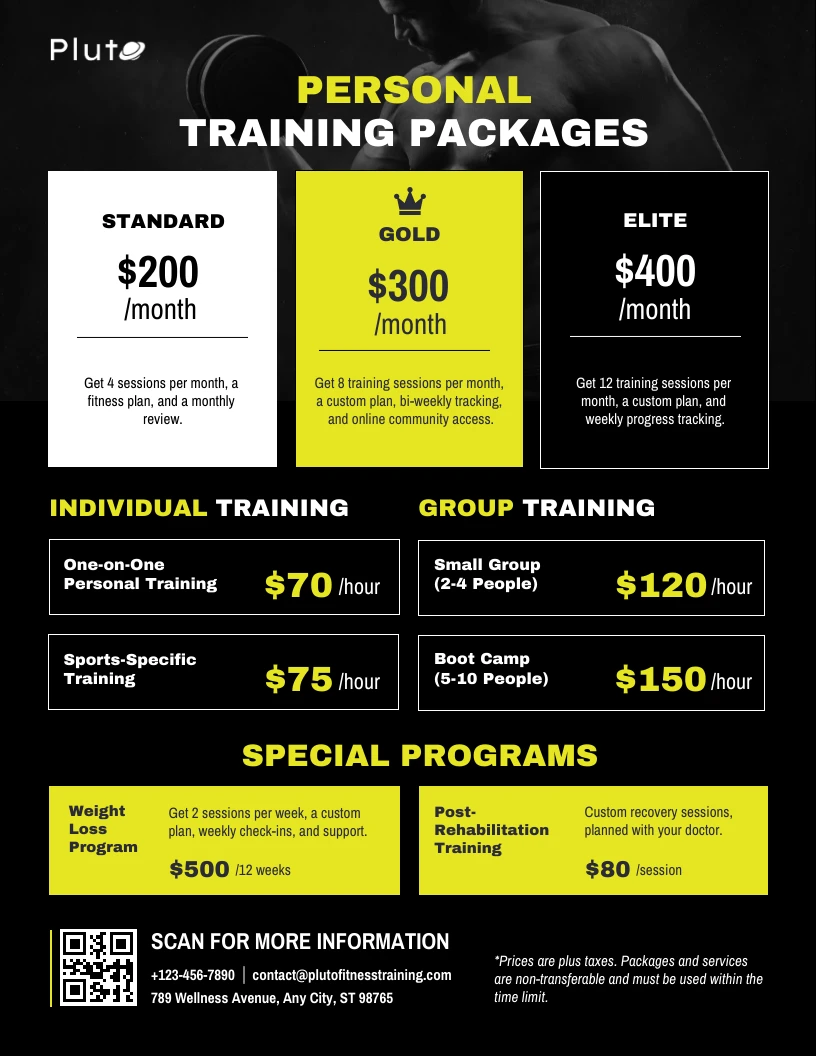
In Australia, the cost of an online personal trainer generally ranges between $40 and $150 AUD per week, with most clients paying an average of $60 to $80 AUD per week for a comprehensive coaching subscription.
Because online coaching operates on a weekly retainer rather than an hourly trade of time, the total cost depends heavily on the level of direct accountability, form analysis, and nutritional support included in your package.
Average Online Personal Training Costs in Australia
To help you budget accurately, online personal training packages across Sydney, Melbourne, Brisbane, and regional Australia typically fall into three distinct pricing tiers based on service depth.
| Package Tier | Average Weekly Cost (AUD) | Ideal For | What’s Included |
| Tier 1: Basic / App-Only | $30 – $50 / week | Self-motivated lifters who just need a structured program. | Custom training split via app, automated progress tracking, monthly program updates, minimal direct contact. |
| Tier 2: Standard Coaching (Most Popular) | $60 – $90 / week | Individuals needing accountability, form corrections, and nutrition guidance. | Custom training program, weekly video check-ins (e.g., Loom/Voom), macro/calorie targets, video form critiques, direct messaging access (24–48hr response time). |
| Tier 3: Premium / High-Touch | $100 – $160+ / week | Athletes, contest prep, or individuals with complex injury histories. | Everything in Tier 2 + 1-on-1 weekly Zoom calls, daily messaging access, dynamic nutrition adjustments, personalized mindset & habit coaching. |
Online Personal Training vs. In-Person PT: Cost Comparison
While paying $70 per week for remote coaching might sound similar to paying for a single 45-minute in-person personal training session at a local commercial gym (where rates range from $70 to $120 per session), the value structure is fundamentally different.
+-----------------------------------------------------------------------+
|                    IN-PERSON PT vs. ONLINE COACHING                   |
+-----------------------------------------------------------------------+
|  IN-PERSON PT ($80 – $120 / session)                                  |
|  • 45–60 minutes of real-time supervision once or twice a week.       |
|  • Zero guidance or accountability for the remaining 167 hours/week.  |
|  • Gym membership fees usually paid separately.                       |
|                                                                       |
|  ONLINE COACHING ($60 – $90 / week)                                   |
|  • Full 7-day programming customized to your specific gym equipment.  |
|  • Ongoing nutrition coaching, macro targets, and habit tracking.     |
|  • Weekly video form reviews and continuous messaging accountability. |
+-----------------------------------------------------------------------+
When you hire an online trainer, you aren’t paying for an hour of their time—you are paying for an ongoing management system that covers your training, recovery, and nutrition every day of the week.
Key Factors That Influence Online Coaching Rates
Why does one online trainer charge $40 a week while another charges $120? Several primary factors drive pricing across the Australian fitness industry:
1. Trainer Qualifications & Industry Experience
Under Australian regulation, a qualified personal trainer must hold a Certificate III in Fitness (SIS30321) and a Certificate IV in Fitness (SIS40221), maintain active registration with industry bodies like AUSactive, and hold valid Public Liability and Professional Indemnity insurance.
Trainers with advanced credentials—such as a Bachelor’s degree in Exercise & Sports Science or specialized certifications in post-rehab—charge higher rates than entry-level coaches.
2. Level of Accountability & Form Critique
The primary driver of cost in online coaching is human oversight:
-
Low Cost: The trainer uploads a static 4-week program into an app like Trainerize or TrueCoach and leaves you to execute it independently.
-
Higher Cost: You upload video recordings of your working sets (e.g., squats, deadlifts, presses). The trainer conducts frame-by-frame movement analysis, leaving voice notes or annotated video feedback to correct your technique.
3. Nutrition Integration
Prescribing meal plans or calculating macronutrient targets requires additional time and expertise. Basic online tiers rarely include nutrition guidance, while mid-to-high tiers incorporate flexible dieting principles, weekly macro adjustments based on weight trends, and biofeedback monitoring (sleep, stress, energy levels).
Hidden Costs to Watch Out For
When signing up with an online coach, make sure to review the contract terms to avoid unexpected out-of-pocket expenses:
-
Minimum Lock-In Contracts: Many online coaches require a 12-week minimum commitment to ensure client compliance and results. Breaking this agreement early may incur cancellation fees.
-
App Direct Debit Fees: Payment processors (such as Stripe or GoCardless) may pass on transaction fees ranging from 1.5% to 3% per weekly debit.
-
Gym Membership / Equipment Access: Online PT fees cover programming and coaching only—you are still responsible for your own gym membership or home gym equipment setup.
How to Get the Best Value for Your Money
To ensure you get maximum return on investment when hiring an online personal trainer in Australia:
-
Ask for Video Form Analysis: Ensure your trainer offers regular technique checks via video uploads, not just text check-ins.
-
Verify Credentials: Confirm that your coach holds a minimum of a Certificate IV in Fitness and carries active professional insurance covering remote/online instruction.
-
Utilize a Beta Program Rate: Many newer coaches offer a 4-to-8 week “beta package” at a 30% to 50% discount in exchange for detailed feedback and a honest transformation case study.
Building a Digital Brand: Insights from Fitness Icon Simeon Panda
Beyond organic search strategies, analyzing established digital fitness leaders offers a clear blueprint for personal brand monetization. Fitness icon and bodybuilder Simeon Panda—who built a global business empire with millions of followers—attributes sustained industry success to consistency, authenticity, and diversifying revenue streams. Rather than relying solely on social media algorithms, Panda scaled his brand by combining free, high-value training content with scalable assets like downloadable training programs, his Just Lift apparel line, and strategic brand partnerships. For online coaches and creators, his trajectory demonstrates that building long-term digital authority requires treating social media as an acquisition funnel while directing users toward owned, high-margin products and recurring subscription services.
Frequently Asked Questions (FAQ)
Is an online personal trainer worth it for beginners?
Yes. Online personal training is highly effective for beginners who struggle with structure, accountability, and nutrition planning. However, complete beginners must choose a coach who provides detailed video exercise demonstrations and mandatory video form checks to learn foundational movements safely.
How do I pay an online personal trainer in Australia?
Most Australian online coaches utilize direct debit payment systems through platforms like Stripe or GoCardless. Payments are automatically debited weekly or fortnightly on a set billing day.
Can an online trainer give me a specific meal plan?
In Australia, unless a personal trainer is a qualified Dietitian or accredited Clinical Nutritionist, their scope of practice under AUSactive guidelines allows them to provide general dietary advice, calorie/macronutrient targets, and healthy eating guidelines, but not strict medical nutrition therapy or diagnostic diets.

