

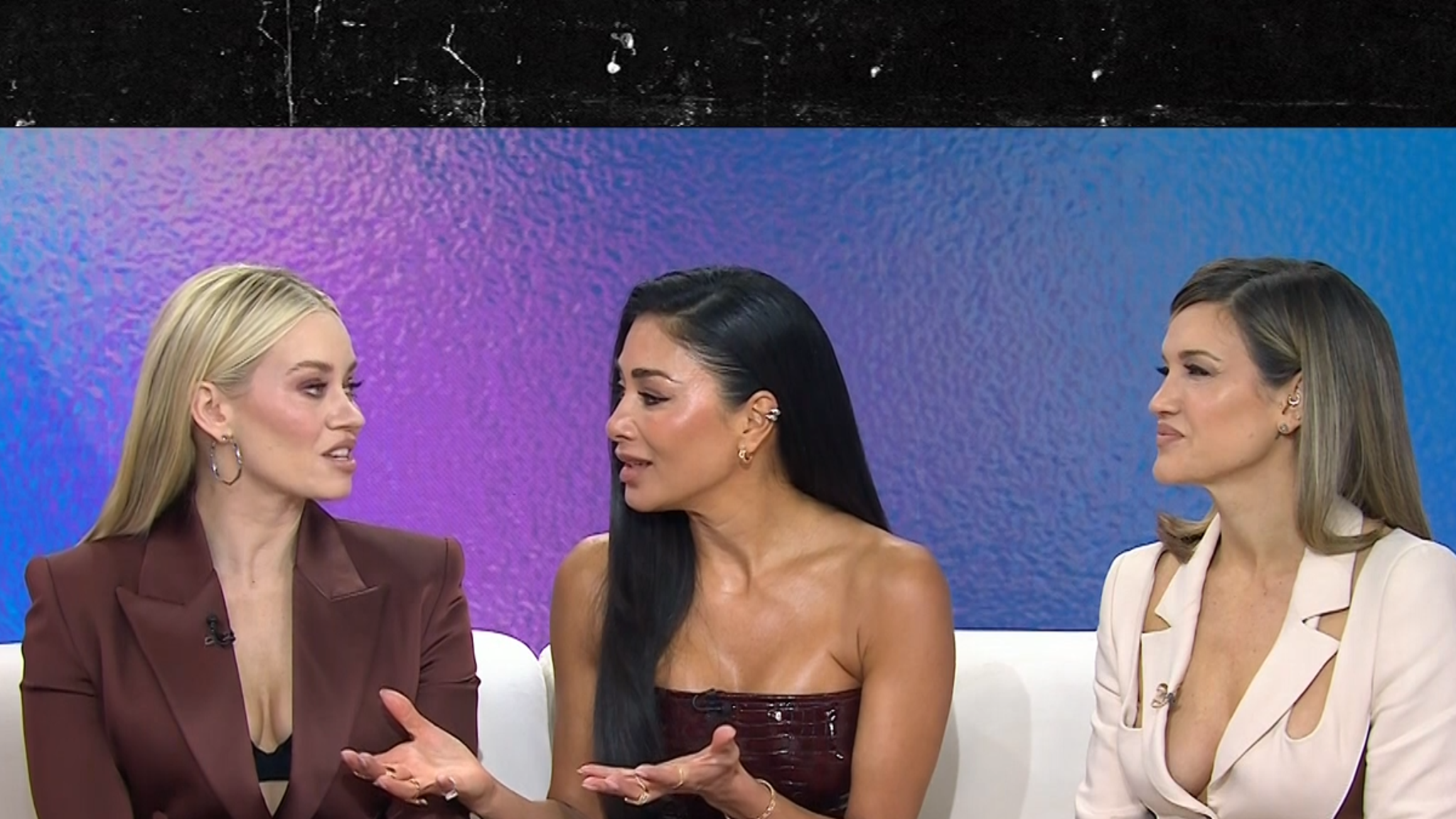
The world of pop music is no stranger to the “reunion tour”—a lucrative and nostalgic vehicle that allows iconic groups to reconnect with their fanbase. However, the Pussycat Dolls’ latest attempt at a comeback has ignited a firestorm of digital discourse following a particularly tense appearance on NBC’s Today show. On March 20, 2026, frontwoman Nicole Scherzinger, alongside members Ashley Roberts and Kimberly Wyatt, found themselves in the hot seat regarding the notable absence of three original members: Carmit Bachar, Jessica Sutta, and Melody Thornton.
What was intended to be a promotional stop for their upcoming 53-show international tour turned into a viral masterclass in media tension, highlighting the fragile nature of legacy acts in the modern entertainment era.
1. The Viral ‘Freeze’: Media Training vs. Group Reality
During the interview, the trio was asked a direct question that has been lingering in the minds of fans: Why return as a trio when the “OG” lineup consisted of six women? The response—or lack thereof—from Nicole Scherzinger was immediate and palpable. Known for her poise and extensive experience as a television judge and performer, Scherzinger appeared to “lock up,” struggling to find a cohesive narrative to explain the exclusion of her former bandmates.
Scherzinger’s fragmented attempt to address the “absences” by starting a sentence with “As women today…” only to trail off, speaks to the profound difficulty of navigating group politics on live television. Kimberly Wyatt eventually stepped in to provide a more corporate-friendly explanation, suggesting that the Pussycat Dolls have always been a “fluid” entity that has evolved through numerous iterations.
This moment highlights a common issue in celebrity branding: the gap between the “fan-facing” nostalgia and the “behind-the-scenes” business decisions. While Wyatt’s explanation about “restoring a ruptured group” was diplomatically sound, the optics of Scherzinger’s silence suggested a deeper, perhaps more personal, complexity within the group’s hierarchy.

2. The Outrage of the Excluded: Sutta and Bachar
The tension is not merely speculation. Both Jessica Sutta and Carmit Bachar have publicly expressed their disappointment, revealing they were not invited to participate in this specific tour. In the age of social media, the “silent” members are no longer silent; they have direct access to the public to voice their grievances.
The narrative of the “semi-reunion” presents a marketing challenge. Fans of the group’s peak era (roughly 2005–2009) view the six-piece lineup as the definitive version of the brand. When a brand returns with only 50% of its core identity, it risks alienating the very audience it seeks to monetize. The “outrage” expressed by Sutta and Bachar adds a layer of “bad press” that the current trio must navigate as they prepare to hit stages across multiple countries.
3. Legal and Intellectual Property Analysis: Who Owns the ‘Dolls’?
The Pussycat Dolls’ situation is a fascinating case study in music law and trademark management. Unlike a traditional band that might form organically in a garage, the Pussycat Dolls began as a burlesque troupe created by Robin Antin. This distinction creates a unique legal framework.
I. The Right of Publicity and Trademark Ownership: In many legendary pop groups, the “brand” or “trademark” is owned by a management entity or a single founder rather than the performers themselves. Historically, Nicole Scherzinger and Robin Antin have had various legal agreements regarding the group’s revival. Legally, if the trademark holder decides to tour with only three members, they are generally within their rights to do so, provided contractual obligations to the other members have expired or were never established for future iterations.
II. Breach of Contract and Reunion Agreements: When groups “break up” or go on hiatus, the settlement agreements often dictate how the name can be used in the future. If Sutta, Bachar, or Thornton have “rights of first refusal” or clauses that mandate their inclusion in a reunion, there could be grounds for litigation. However, if their original contracts were “work-for-hire” (common in the early 2000s for dance-heavy groups), the current trio might be on solid legal ground, even if the public perception is unfavorable.
III. The ‘Ruptured Group’ Defense: Kimberly Wyatt’s use of the term “ruptured group” during the Today show interview is legally significant. It suggests a history of internal conflict that might make a full six-person reunion contractually or practically impossible. In the eyes of the law, a business entity (which the group is) has the right to mitigate risk. If the inclusion of certain members is deemed a risk to the tour’s completion, the management can legally justify a smaller lineup.

4. Frequently Asked Questions (FAQ)
Q: Why are only three members of the Pussycat Dolls on the 2026 tour? A: According to Kimberly Wyatt, the group has seen many iterations, and the current trio of Scherzinger, Roberts, and Wyatt represents the version of the group ready to “restore” the brand. Internal group dynamics and individual invitations appear to be the primary factors.
Q: Did Carmit Bachar and Jessica Sutta choose not to join? A: No. Both members have publicly stated they were not asked to participate in this reunion tour, expressing frustration that they were excluded from the planning process.
Q: Is the 53-show tour still moving forward? A: Yes. Despite the controversy surrounding the lineup, the group is currently in New York City preparing for an extensive international tour covering multiple countries.
Q: Is there a legal battle over the Pussycat Dolls name? A: While there have been past legal disputes between Nicole Scherzinger and founder Robin Antin, the current tour appears to be a sanctioned use of the trademark, though the excluded members’ potential legal responses remain to be seen.

5. Conclusion: The Price of Nostalgia
The Pussycat Dolls’ “Today” show moment is a reminder that nostalgia is a double-edged sword. While it provides a ready-made audience, it also carries the weight of expectations. For Nicole Scherzinger, the challenge lies in being the face of a brand while simultaneously being the focal point of its internal controversies.
As the group embarks on their 53-date journey, the success of the tour will likely depend on whether the remaining trio can provide enough “Don’t Cha” energy to make fans forget who is missing. In the world of high-stakes pop music, sometimes the most important performance isn’t on the stage—it’s in the interview chair.

