

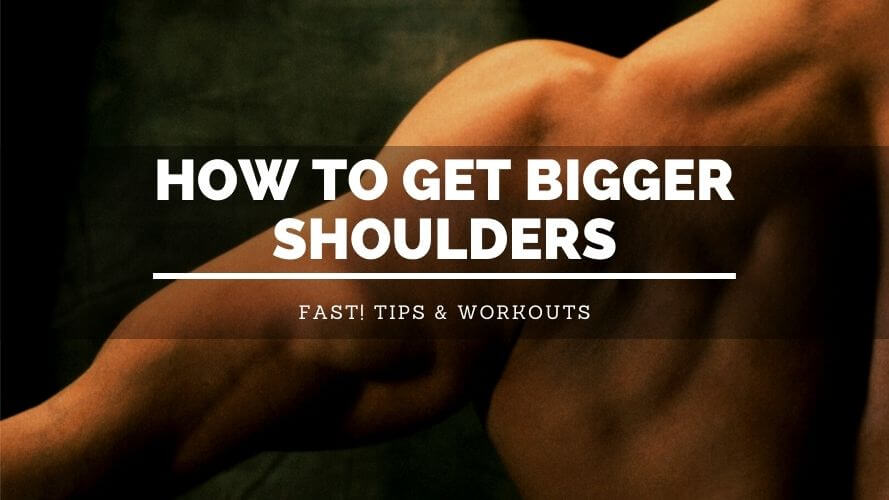
The Anatomy of the “V-Taper”
To build shoulders that command attention, you must move beyond the basic overhead press. The deltoid is a multi-pennate muscle with three distinct heads: the Anterior (front), Lateral (side), and Posterior (rear). Achieving a “capped” look—where the shoulders look like cannonballs from every angle—requires a targeted approach to all three segments.
Most lifters over-develop the anterior deltoid through excessive bench pressing, leading to an “internal rotation” posture that makes the shoulders look narrow and slumped. To truly widen the frame, the focus must shift to the Lateral Head for width and the Posterior Head for the 3D depth that separates an amateur physique from a professional one.
The Masculine Silhouette: Aesthetics and the Golden Ratio
There is a biological reason why “broad shoulders” is a universal synonym for masculinity. Evolutionary psychology suggests that a high Shoulder-to-Waist Ratio (often referred to as the “Golden Ratio” of 1.618) is a primary visual cue for physical dominance, health, and protection.
When you increase the lateral width of your deltoids, you create a powerful “V-taper” that makes the waist appear smaller and the frame appear more imposing. This silhouette is not just about vanity; it is an “honest signal” of physical capability. In social and professional environments, individuals with a more athletic shoulder-to-waist ratio are often subconsciously perceived as more disciplined and capable. Building bigger shoulders is, in many ways, the literal process of “broadening your capacity” to handle the weight of your world.

The Training Protocol: From Volume to Mechanical Tension
1. The Heavy Vertical Press (The Foundation)
While the lateral head provides the width, the heavy overhead press (OHP) builds the foundation of “Absolute Strength.”
-
The Method: Perform standing barbell presses or seated heavy dumbbell presses in the 5–8 rep range.
-
Pro Tip: Avoid locking out the elbows at the top to maintain constant tension on the deltoids.
2. Lateral Raise Variations (The Width)
The lateral deltoid responds best to high-frequency and varied angles.
-
The Method: Cable lateral raises are superior to dumbbells because they provide a constant resistance curve. Try the “behind-the-back” cable lateral raise to place the muscle in a greater stretch position.
-
Volume: Aim for 12–20 reps to drive metabolic stress and sarcoplasmic hypertrophy.
3. Face Pulls and Rear Delt Flies (The 3D Depth)
The rear delts are the most neglected muscle group but are essential for shoulder health.
-
The Method: Use rope face pulls with an emphasis on external rotation (pulling the hands apart).
-
The Result: This pulls the shoulders back, correcting the “computer hunch” and making the chest appear broader.
The “Mechanical Advantage” Hack
Here is the Mechanical Drop Set for shoulders:
-
Perform a set of Dumbbell Lateral Raises to failure.
-
Immediately transition into “Cheat” Laterals using a slight hip hinge to overcome the sticking point.
-
Finish with a 15-second Isometric Hold at the top of the movement. This protocol recruits high-threshold motor units that are typically dormant during standard sets, forcing the muscle to adapt through extreme mechanical tension.
FAQ: Shoulder Growth Mastery
Q: Can I train shoulders every day? A: While the lateral and rear delts recover quickly, the anterior deltoid and the rotator cuff need rest. A high-frequency approach (3 times per week) is usually the “sweet spot” for growth without injury.
Q: Why do my shoulders click during presses? A: This is often “Impingement.” Ensure you are pressing in the Scapular Plane (elbows tucked slightly forward at a 30-degree angle) rather than flared out directly to the sides.
Q: How long does it take to see visible shoulder width? A: With consistent training and a caloric surplus, most lifters see a “different person” in the mirror after 12–16 weeks of dedicated lateral head work.
Q: Do I need to do front raises? A: Most people do not. If you are doing any form of bench press or overhead press, your anterior delts are already getting sufficient stimulus. Focus that energy on your side and rear delts instead.
Editor’s Opinion: The 20kg Difference
Having recently discussed the “wow” factor of a 20kg weight loss, I can tell you that shoulders are the “frame” that holds your new body together. On a 5’9″ frame, adding just an inch of muscle to each shoulder cap has a more dramatic visual impact than adding three inches to your chest. It changes how clothes fit and how you are perceived. In my sessions, we prioritize rear delt health because a “big” shoulder that is injured is a useless shoulder. Build for the “wow” in the mirror, but train for the longevity of the joint.

