


Introduction: The Evolution of Value
In the late 20th century, the concept of “value” was tethered to physical assets, government-backed fiat, and centralized ledgers. Fast forward to the mid-2020s, and that paradigm has shifted. Cryptocurrency has moved from the fringes of “cyberpunk” experimentation into the portfolios of institutional giants and retail investors alike.
However, the question remains: Is investing in cryptocurrency a good idea? To answer this, we must move beyond the hype of “overnight millionaires” and the gloom of “market crashes.” We must evaluate cryptocurrency as a distinct asset class with its own unique set of mechanical and economic properties.
The Proponents’ Case: Why Cryptocurrency Appeals
The primary allure of cryptocurrency lies in its decentralization and the technological breakthrough of the blockchain. Unlike traditional currencies, which are subject to the monetary policies of central banks, most cryptocurrencies operate on fixed or algorithmic supply schedules.
1. Asymmetric Upside Potential
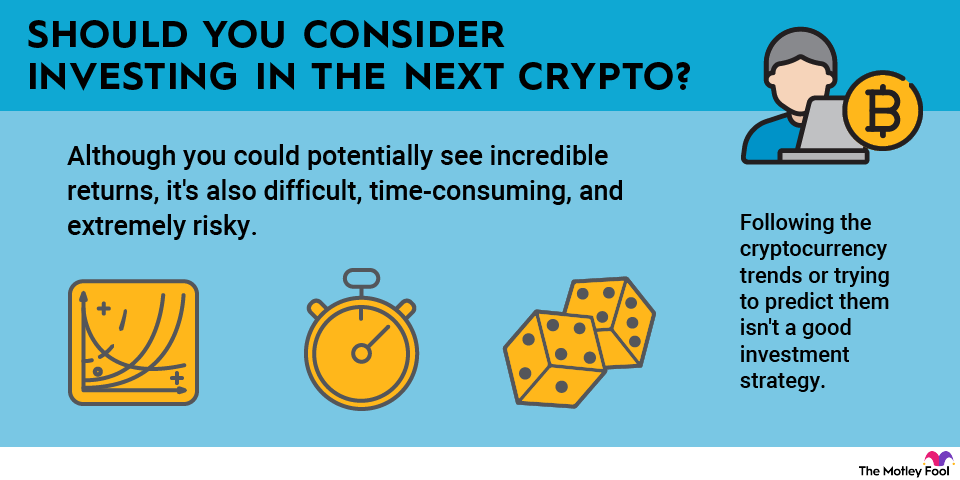
Cryptocurrency is one of the few asset classes that offers “asymmetric returns.” This means that while you can only lose 100% of your investment, the potential for growth can be 500%, 1,000%, or more. While these “moon shots” are becoming rarer as the market matures, the growth of the digital economy continues to outpace many legacy sectors.
2. Diversification and Non-Correlation
Historically, Bitcoin and other major assets showed low correlation with the S&P 500. While this correlation has increased as institutional players entered the fray, crypto still acts as a hedge against specific regional banking failures. In an era where traditional bond yields often struggle to keep pace with inflation, digital assets offer a high-volatility alternative that can boost overall portfolio performance if allocated correctly (typically 1-5%).
3. Permissionless Innovation
Investing in a protocol like Ethereum or Solana is less like buying a stock and more like owning a piece of the internet’s base layer. The rise of Decentralized Finance (DeFi) and smart contracts allows for automated lending, borrowing, and insurance without a middleman.
The Skeptics’ Warning: The Inherent Risks
No high-value discussion on crypto is complete without addressing the “Black Swan” events and systemic risks that characterize this market.
1. Extreme Volatility
For a 70-year-old retiree, a 30% drop in a single afternoon is a catastrophe. For a 25-year-old, it is a “buying opportunity.” Cryptocurrency volatility is a double-edged sword; it creates the returns but can also lead to emotional selling and significant capital loss for those without a long-term horizon.
2. Regulatory and Security Risks
Governments across the globe are still catching up. A sudden shift in tax law or a ban on specific privacy coins can decimate prices overnight. Furthermore, the “self-custody” aspect of crypto means that if you lose your private keys or fall victim to a phishing scam, there is no “Forgot Password” button and no bank manager to reverse the transaction.
Comparative Analysis: Crypto vs. Traditional Investments
To decide if crypto is a “good idea,” we must look at where you could put your money instead.
| Investment Method | Risk Level | Liquidity | Historical Return (Avg) | Barrier to Entry |
| Cryptocurrency | Extreme | Very High | 50% – 100%+ (High Var) | Very Low |
| Stock Market (S&P 500) | Moderate | High | 8% – 10% | Low |
| Real Estate | Low-Moderate | Low | 4% – 6% | High |
| Gold/Commodities | Moderate | High | 2% – 5% | Moderate |
Crypto vs. Stocks
Stocks represent ownership in a company that produces products, pays employees, and generates cash flow. Cryptocurrency, particularly Bitcoin, is more akin to a commodity like gold. It is a “store of value” whose price is driven by supply and demand rather than quarterly earnings.
Crypto vs. Real Estate
Real estate provides utility (shelter) and often rental income, making it a “productive” asset. Crypto is purely digital and speculative. However, crypto is infinitely more liquid; you can sell $1,000 of Bitcoin at 3:00 AM on a Sunday, whereas selling a house takes months and involves high transaction fees.
How to Invest Responsibly in 2026
If you decide that the pros outweigh the cons, your strategy should focus on risk mitigation.
-
Dollar-Cost Averaging (DCA): Instead of “timing the bottom,” invest a set amount every week or month. This smooths out the volatility and prevents the psychological trap of buying at the “top.”
-
Focus on “Blue Chips”: For most investors, sticking to Bitcoin (BTC) and Ethereum (ETH) is the safest route. These assets have the highest liquidity, the most institutional backing, and the longest track records.
-
Secure Custody: Use a hardware wallet for long-term holdings. Only keep on an exchange what you intend to trade actively.
Editor’s Opinion: The Balanced Perspective
In my view, the question isn’t whether cryptocurrency is a “good” or “bad” idea, but rather how much of it belongs in your specific financial ecosystem. Cryptocurrency has transitioned from a speculative toy into a “digital reserve” asset. However, the psychological toll of crypto investing is often underestimated. If the thought of a 50% drawdown keeps you awake at night, no amount of potential upside is worth your peace of mind. For the modern investor, I believe a “zero percent” allocation is now riskier than a “one percent” allocation, as it leaves you entirely exposed to the potential devaluation of fiat currency without any hedge in the digital frontier.
FAQ: Frequently Asked Questions
Q: Is it too late to buy Bitcoin?
A: Many analysts believe we are still in the “early adoption” phase of blockchain technology. While the days of buying Bitcoin for $10 are gone, its role as “Digital Gold” suggests room for growth as more institutional capital moves from traditional gold to BTC.
Q: Can cryptocurrency be hacked?
A: The underlying blockchain (like Bitcoin’s) has never been “hacked.” However, the exchanges where people store their coins and the smart contracts they interact with can be vulnerable.
Q: How is crypto taxed?
A: In most jurisdictions (including the US and Australia), cryptocurrency is treated as property. This means you are liable for Capital Gains Tax (CGT) whenever you sell, trade, or spend your crypto.
Q: Should I invest my emergency fund in crypto?
A: Absolutely not. You should only invest “risk capital”—money that you can afford to lose entirely without changing your lifestyle or ability to pay bills.
Conclusion: The Final Verdict
Investing in cryptocurrency is a “good idea” only for those who possess two things: technical curiosity and emotional discipline. It is a tool for building wealth over a 5-to-10-year horizon, not a lottery ticket for next week. By understanding the technological shifts of 2026 and comparing them to the stability of the S&P 500, you can construct a portfolio that embraces the future without being destroyed by it.
The digital gold rush is far from over, but the winners will be those who value strategy over sentiment.

