

Compounding is often called the eighth wonder of the world when applied to investing. Small, consistent investments grow exponentially over time, turning modest savings into lasting financial independence. However, compounding works with equal power in reverse. When negative behaviors, high-dopamine habits, and substance reliance cross paths, they trigger negative compounding—a compounding cycle that destroys personal wealth, drains earning potential, and sabotages long-term financial stability.
At the center of this financial death spiral is a specific biological feedback loop: the simultaneous reliance on cocaine, alcohol, and hyper-palatable junk food. Far beyond the immediate cost of the items themselves, this toxic trifecta rewires your brain’s reward system, breeds chronic laziness and executive fatigue, and systematically dismantles your ability to build or preserve capital.
The Anatomy of Negative Compounding in Personal Finance
Negative compounding occurs when the direct costs of a bad habit are multiplied by its hidden indirect costs, opportunity costs, and downstream health consequences.
While buying an expensive dinner or indulging in a night out may seem like an isolated transaction, combining stimulants like cocaine with depressants like alcohol and high-glycemic junk food turns isolated choices into an escalating daily tax on your financial future.
 Financial Leak Type                | Compounding Impact on Net Worth                     |
+------------------------------------+-----------------------------------------------------+
| Direct Out-of-Pocket Drain         | Daily cash spent on drugs, alcohol, and food delivery|
+------------------------------------+-----------------------------------------------------+
| Earning Capacity Erosion           | Low energy, brain fog, and missed career advancement|
+------------------------------------+-----------------------------------------------------+
| Lost Investment Opportunity Cost   | Burned capital removed from long-term compound gains|
+------------------------------------+-----------------------------------------------------+
| Reactive Financial Choices         | Impulsive spending driven by dopamine crashes       |
+------------------------------------+-----------------------------------------------------+
How the Toxic Trifecta Breeds Financial “Laziness” and Apathy
Many people struggling with this cycle attribute their financial troubles to bad luck or a simple lack of motivation. However, the financial apathy and apparent “laziness” that accompany this habit loop are the direct result of severe dopamine dysregulation and brain fatigue.
1. The Dopamine Crash and Executive Dysfunction
Cocaine floods the brain with artificial dopamine, prompting the nervous system to protect itself by reducing active dopamine receptors. When the drug wears off, dopamine levels drop far below normal baseline. In this severe deficit, your prefrontal cortex—the area of the brain that manages budgeting, long-term planning, and impulse control—essentially shuts down.
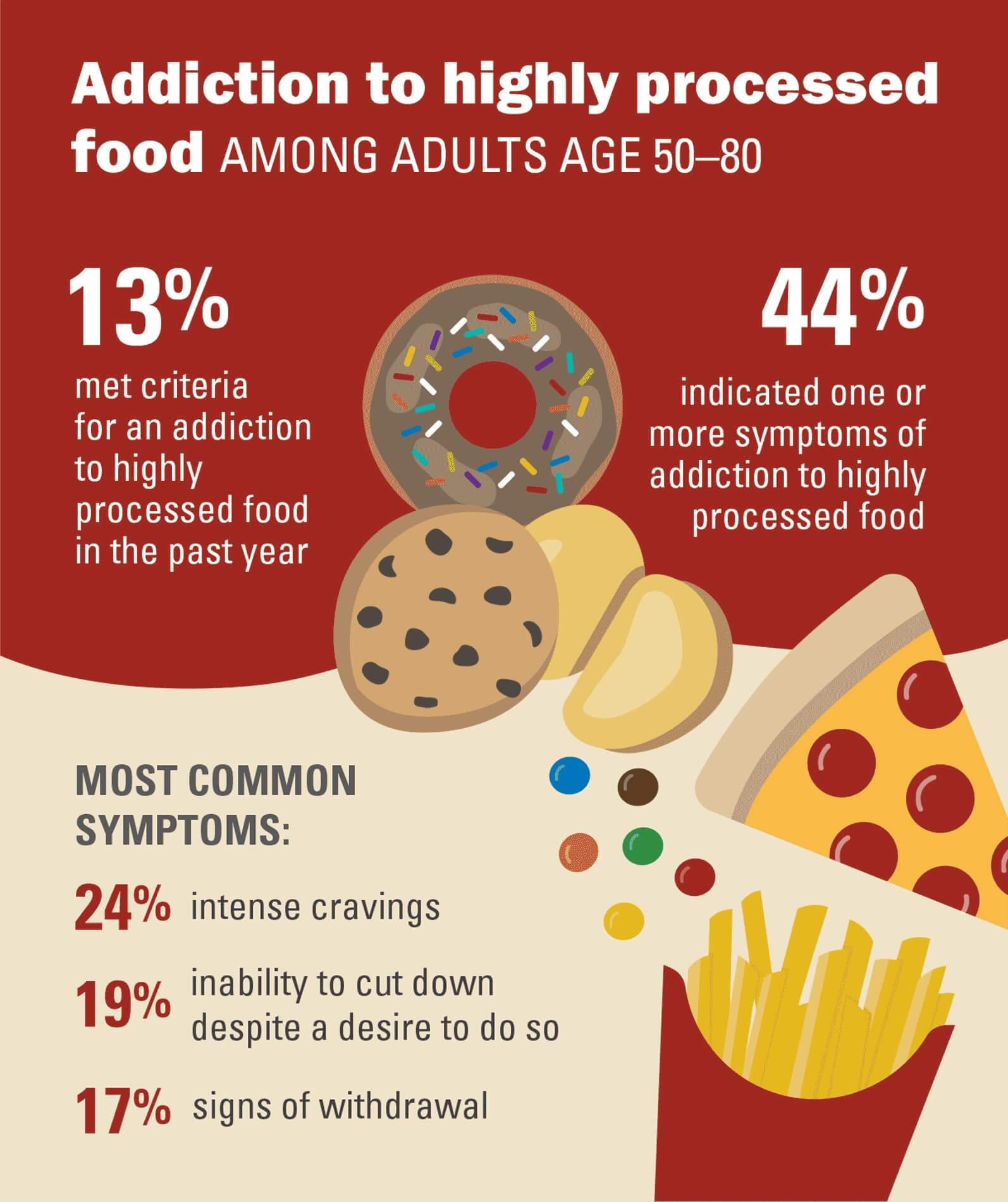
To escape the resulting depression and anxiety, the brain craves fast, effortless comfort. You reach for alcohol to sedate the central nervous system, followed by ultra-processed junk food to get a temporary glucose high.
2. The Erosion of Work Ethic and Career Output
Building wealth requires sustained focus, energy, and the ability to tolerate temporary discomfort in exchange for future payoffs. The toxic trifecta destroys these essential skills:
-
Sleep Disruption: Alcohol suppresses REM sleep, while cocaine and high-sugar diets trigger cardiovascular strain and midnight blood sugar crashes.
-
Chronic Fatigue: Waking up constantly exhausted strips away your competitive edge at work. You start taking shortcuts, missing deadlines, avoiding high-impact projects, or taking excessive sick days.
-
Loss of Ambition: When artificial substances supply massive dopamine hits with zero effort required, hard real-world tasks—like applying for promotions, building a side business, or negotiating a salary increase—feel excruciatingly unrewarding.
What looks like simple laziness to employers and family is actually a brain completely drained of the neurochemical resources needed to drive ambition and career growth.
The Math of Wealth Destruction: A Worked Example
To understand how negative compounding accelerates financial damage, let’s look at the actual numbers over time.
Consider a moderate scenario where someone spends money on this habit loop weekly:
-
Cocaine Use: $150 per week
-
Alcohol & Bars: $100 per week
-
Late-Night Junk Food & Delivery Apps: $70 per week
-
Total Weekly Cost: $320 ($1,386 per month)
                  [ $1,386 Spent Monthly on Habit Loop ]
                                   │
                                   ▼
                   [ $16,632 Direct Annual Outflow ]
                                   │
                                   ▼
             [ $166,320 Direct Cash Spent Over 10 Years ]
                                   │
                                   ▼
           [ $250,000+ Lost Portfolio Value (At 8% Compound Interest) ]
Over ten years, the direct cash out of pocket equals $166,320. However, if that same $1,386 per month were invested in a standard index fund earning a conservative 8% annual return, it would have grown to over $250,000.
When you factor in lost promotions, demotions, emergency medical costs, high-interest debt taken on to cover expenses, and impulsive online purchases made during low-dopamine crashes, the true cost of the habit easily exceeds half a million dollars in lost lifetime wealth.
Step-by-Step Guide: How to Break the Loop and Rebuild Your Finances
Breaking a compounding negative cycle requires addressing both your physical health and your financial habits at the same time.
1. Conduct a “No-Shame” Financial Audit
Face the numbers directly. Print out your last three months of bank and credit card statements. Highlight every dollar spent on alcohol, substances, convenience foods, and delivery fees. Seeing the raw, unedited figure creates the necessary friction to break through financial denial.
2. Automate Savings to Create Friction
When operating under dopamine fatigue, relying on daily willpower to save money will fail.
-
Set up an automatic transfer on payday that moves a portion of your income directly into an investment or high-yield savings account before you ever see it.
-
Remove saved credit card details from delivery apps and online stores to make impulsive late-night spending much harder.
3. Rebuild Baseline Energy Through Whole Foods and Exercise
Financial discipline requires mental clarity. You cannot fix your bank account while your brain is operating in a state of chronic inflammation and sleep deprivation.
-
Prioritize Whole Foods: Replace refined sugars with clean, single-ingredient foods—lean meats, eggs, oats, and vegetables—to stabilize blood sugar levels and eliminate intense energy crashes.
-
Daily Physical Training: Regular strength training and cardio help rebuild dopamine receptor density naturally, giving you the focus and drive needed to execute at work and manage your money.
4. Redirect “Habit Capital” Into Assets
Turn negative compounding into positive compounding. Every time you resist buying takeout or alcohol, manually transfer that exact dollar amount into a dedicated investment account. Watching your asset balance grow creates a healthy, productive dopamine feedback loop that reinforces your progress.
Beyond individual biological loops, this cycle of low friction, high comfort, and instant dopamine reinforcement reflects a larger cultural shift toward prioritizing short-term ease over physical resilience. In “The Cost of Comfort: Why the Fat Acceptance Movement Destabilizes Public Health,” this dynamic is framed as a societal trade-off: as hyper-palatable foods, sedentary lifestyles, and reduced physical demands become normalized, the systemic consequences shift heavily onto public health infrastructure. When cultural narratives frame metabolic health and accountability as optional, the negative compounding effect escalates from a personal challenge into a macro-level strain—manifesting as higher collective healthcare costs, lower workforce productivity, and widespread chronic illness.
Frequently Asked Questions (FAQ)
How does junk food contribute to financial loss compared to drugs or alcohol?
While less expensive per purchase, junk food and food delivery services act as a frequent, daily financial drain. More importantly, high-sugar, highly processed foods cause blood sugar crashes and systemic inflammation, driving the fatigue and lack of productivity that limit your income potential.
Can your financial capacity really recover after years of impulse spending?
Yes. Compound interest works at any stage of life. By redirecting money previously lost to harmful habits into low-cost index funds or high-yield savings, you can rebuild a significant financial safety net relatively quickly.
Why is willpower alone rarely enough to stop impulsive financial decisions during a crash?
During a dopamine crash, the prefrontal cortex loses its ability to weigh long-term consequences against immediate comfort. To succeed, you need structural barriers—such as automated savings, deleted delivery accounts, and physical distance from high-risk environments—rather than relying on willpower alone.

