
Introduction: A Sudden Dark Age for Investigative Fitness Commentary
In the hyper-competitive world of YouTube commentary and investigative reporting, few channels had established as dedicated a following as Jon Bravo Films and DaddyWelz. Known for pulling back the curtain on self-proclaimed online “gurus,” fake “alpha males,” and fitness industry figures, both creators built massive audiences by publishing detailed, documented exposes.
Click this link or the image below for a chance to win this $350,000 Lamborghini Murcielago

However, the YouTube ecosystem was rocked when both channels suddenly vanished from the platform. Visitors clicking on Jon Bravo’s primary channel page were met with the ominous, automated termination message indicating severe or repeated violations of platform policies. Within moments, secondary accounts and backup pages associated with DaddyWelz were similarly struck down.
As community commentators like Coach Greg Doucette, Saintsaholic, and HoodManStan rushed to cover the fallout, one central name emerged at the heart of the scandal: Ben “King” Azoulay.
What Happened? The Backstory Behind the Deletions
The abrupt deletion of both channels was not a random administrative glitch. It was the escalation of a months-long feud between independent commentary creators and Ben Azoulay.
For weeks leading up to the terminations, both Jon Bravo and DaddyWelz had published high-impact, heavily viewed investigative pieces scrutinizing Azoulay’s public persona, business operations, and behind-the-scenes conduct. These videos amassed hundreds of thousands of views, drawing significant scrutiny to Azoulay across social media platforms.
Almost immediately following these releases, both channels experienced an unprecedented surge in legal claims, privacy flags, and copyright strikes. Within a narrow window, multiple strikes landed on both channels simultaneously. Under YouTube’s strict enforcement algorithms, receiving three copyright strikes in a 90-day window triggers an immediate, automated channel termination alongside a permanent ban on creating or managing new accounts.
https://www.instagram.com/p/DfGHkILBRyK/?hl=en(jd delay)
https://www.instagram.com/p/DffwbCojwxR/ (daddy welz)
https://www.instagram.com/p/DflRjA9EWSj
Jonny Bravo’s furious response
https://www.instagram.com/p/Dfe_sxyRFV3/?hl=en
Imagine being a creator for over 10 years reaching over 350k subscribers and millions upon millions of people… and an idiot who I made videos on exposing his crimes was able to hire a hacker to falsely mass report my entire channel nonstop for days and get it successfully taken down. Not only was my channel taken down maliciously, but a fellow creator (@welziez ) was taken down 2 days ago who made videos on this individual as well. Imagine putting your blood, sweat, and tears, and entire life into something that has this much of a security vulnerability? The thing is, my lawyer @shahin_damoui is also part of my channel and you want war? Now you’re gonna have war. Lastly, idiot… do you think this is gonna work or make things worse? I would appreciate it if you let YT know. The only way you can contact a human Is by tagging @teamyoutube on X. That is the only time they will look at anything. Only a loud community can ever get through to an actual human at YouTube. There’s no way to reach a human there, no matter your channel size. Without you guys being loud, my channel may never come back.
The Suspect: How Ben Azoulay Could Have Executed the Takedown
While YouTube does not publicly display the exact legal entity or individual who submits a privacy flag or manual copyright strike, circumstantial evidence and community consensus strongly point toward Ben Azoulay or third-party digital reputation services acting on his behalf.
If Azoulay was indeed the architect of this coordinated wipeout, the execution likely relied on exploiting well-known systemic loopholes in YouTube’s automated moderation systems:
1. Exploiting the “DMCA Safe Harbor” Loophole
Under the Digital Millennium Copyright Act (DMCA), online platforms like YouTube are legally obligated to act swiftly when a copyright holder claims an unauthorized upload contains their material. To maintain legal immunity, YouTube’s automated system removes the flagged video immediately upon receiving a formal claim—without evaluating whether the video falls under Fair Use (such as news reporting, commentary, or transformative critique).
By identifying small clips, short audio segments, or social media screenshots belonging to Azoulay within the investigative videos, a claimant can file rapid, targeted DMCA takedown requests across multiple uploads at once.
2. Coordinated Mass-Reporting and Reputation Management
Beyond manual copyright strikes, high-profile figures frequently employ third-party “reputation management” agencies. These firms utilize automated networks to flood targeted accounts with simultaneous Terms of Service (TOS) complaints—ranging from harassment and privacy violations to hate speech.
When a channel receives a sudden, massive spike in policy flags combined with active copyright claims, YouTube’s safety filters flag the account as high-risk, leading to an automated termination before a human employee ever reviews the context.
3. Triggering the Ban Evasion Trap
When DaddyWelz or Jon Bravo attempted to communicate with their audiences or upload updates via backup accounts or secondary channels, YouTube’s anti-circumvention algorithms detected the cross-linked digital footprint. This automatically triggered secondary bans, making the situation look even more severe to outside viewers.
What Happens Next? The Legal and Platform Appeal Process
A channel termination on YouTube is devastating, but it is not necessarily the end of the line. Both Jon Bravo and DaddyWelz are navigating a structured appeal process to attempt a full recovery:
-
Filing DMCA Counter-Notifications: Under federal law, once a creator files a formal counter-notice asserting that their content constitutes legal Fair Use, YouTube is required by law to forward the counter-notice to the original claimant. The claimant then has 10 to 14 business days to prove they have filed a formal lawsuit in federal court. If no legal action is filed within that window, YouTube is legally mandated to restore the content and lift the copyright strikes.
-
Leveraging Creator Support & Public Pressure: Because initial takedowns are handled by algorithms, getting a human YouTube Partner Support manager to manually inspect the case is crucial. High-profile commentary from larger creators keeps public pressure on YouTube to address bad-faith system manipulation.
-
Diversifying to Uncensored Platforms: In light of the terminations, many creators in this niche are establishing permanent secondary hubs on alternative platforms like Rumble, Substack, and Instagram to ensure their audience remains intact if YouTube access is delayed or denied.
The escalation between commentary channels and Ben “King” Azoulay reached a critical tipping point following the release of DaddyWelz’s explosive interview titled “King Azoulay’s Alleged Victim Reveals HORRIFYING Abuse… And How She Escaped”. In the piece, the guest shared direct testimony detailing alleged psychological manipulation, coercive control, and physical intimidation during her time with Azoulay, stating, “It wasn’t just about controlling who I talked to or where I went—it was a constant state of fear, where any attempt to speak out or leave was met with threats that completely broke me down until I finally found a way out.” By bringing these personal allegations and harrowing escape accounts to light alongside Jon Bravo’s exposure of public criminal records, the video pushed the conflict beyond standard internet commentary into severe real-world fallout—ultimately triggering the wave of aggressive legal flags, TOS reporting, and subsequent automated channel terminations.
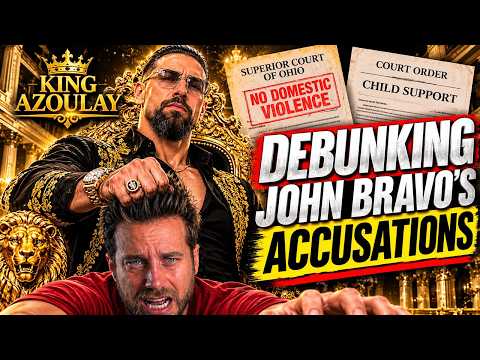
You can check out King Azoulay Just “Allegedly” Attacked Jon Bravo And DaddyWelz for further context. This commentary video breaks down the immediate aftermath of the victim interview and details how the resulting fallout led to the channel terminations.
Frequently Asked Questions (FAQ)
Did Ben Azoulay officially confirm he took down Jon Bravo and DaddyWelz?
No formal public statement taking direct legal responsibility has been issued by Ben Azoulay, but social media posts and commentary from creators close to the situation suggest the takedowns were a direct response to the exposure series.
Is it illegal to file false DMCA copyright claims on YouTube?
Yes. Submitting fraudulent DMCA claims constitutes perjury under United States federal law. Creators whose channels are damaged by bad-faith DMCA claims have the legal right to file lawsuits for tortious interference and damages in federal court.
Can Jon Bravo and DaddyWelz get their YouTube channels back?
Yes. If their counter-notifications succeed and YouTube’s internal legal team determines the strikes were an abuse of the DMCA or safety reporting tools, the platform routinely reinstates terminated accounts and restores lost subscriber counts.
King Azoulay “Allegedly” Attacked Jon Bravo And DaddyWelz
This commentary video breaks down the immediate fallout surrounding the channel terminations of Jon Bravo and DaddyWelz and details how the ongoing conflict with Ben Azoulay played out within the YouTube community.
If a creator with a scale similar to Jon Bravo Films (roughly 350,000 subscribers and millions of cumulative views, particularly drawing massive spikes during viral investigative pieces) faces a permanent YouTube ban, the financial loss goes well beyond monthly AdSense checks.
A permanent ban impacts several core revenue streams:
1. Direct AdSense Revenue (The Baseline)
-
Monthly Estimates: For a commentary and investigative channel pulling hundreds of thousands to millions of views per month during active exposés, standard YouTube ad revenue typically ranges anywhere from $3,000 to $10,000+ per month, depending on advertiser-friendliness, audience location, and video length.
-
Annual Loss: This translates to a direct baseline loss of $36,000 to $120,000+ per year in pure platform ad payouts.
2. Sponsorships and Brand Deals
-
The Real Driver: For independent commentary channels, direct sponsorships and brand integrations usually eclipse raw AdSense earnings. Brands pay premium rates to place ads in front of highly engaged audiences tuning into high-stakes investigative deep dives.
-
Loss of Partnership Value: Losing a main channel cuts off leverage for multi-thousand-dollar per-video sponsorship deals. A permanent ban signals instability to sponsors, drying up this pipeline almost instantly.
3. Funneling to External Platforms (Patreon, Merch, and Services)
-
The Ecosystem Effect: A YouTube channel of that size functions primarily as the top of a marketing funnel. It drives traffic to paid communities, Patreon memberships, exclusive content, or merchandise.
-
Audience Churn: While a creator can attempt to migrate a portion of their core fanbase to alternative platforms (like Rumble, Substack, or a new backup channel), a permanent ban typically severs 50% to 80% of casual viewers who discover content purely through YouTube’s recommendation algorithm. That drop directly impacts external subscription and sales conversions.
Summary
A permanent ban strips away a digital asset generating an estimated six figures annually in combined ad revenue, sponsorship value, and funnel traffic—forcing creators to rebuild their entire distribution network from scratch.
This video explores the broader community impact and discusses the financial and structural blow deplatforming delivers to independent investigators like Jon Bravo.

