

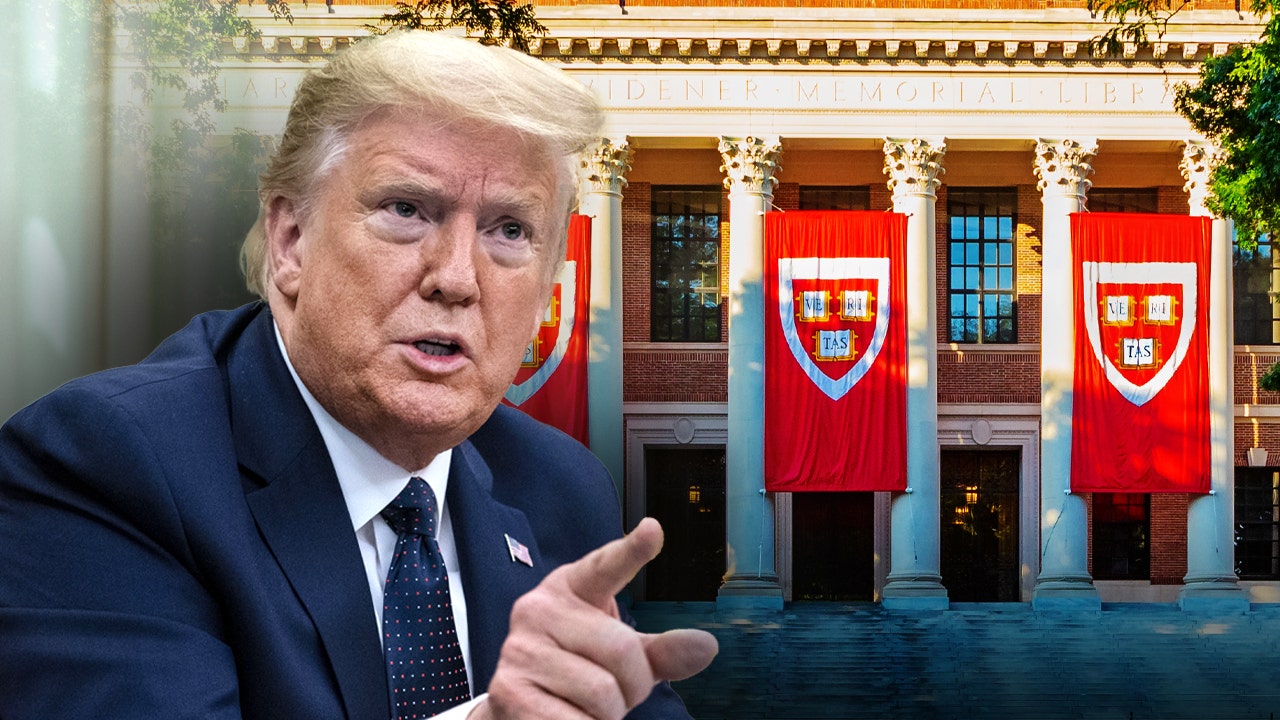
The intersection of federal civil rights law and higher education has reached a critical flashpoint as the Trump administration initiates a lawsuit against Harvard University. The litigation alleges that the institution has failed to adequately address and curb a rise in antisemitism on its campus, thereby creating a hostile environment that violates federal protections. This move marks a significant escalation in the federal government’s role in overseeing campus climate and the enforcement of civil rights within private institutions that receive federal financial assistance.
TRUMP SECURES $221M COLUMBIA UNIVERSITY SETTLEMENT OVER ALLEGED CIVIL RIGHTS VIOLATIONS
1. The Core Legal Allegation: Title VI of the Civil Rights Act
The primary legal vehicle for this lawsuit is Title VI of the Civil Rights Act of 1964. Title VI prohibits discrimination on the basis of race, color, or national origin in any program or activity that receives federal funds.
While “religion” is not explicitly mentioned in Title VI (it is covered under Title VII for employment), the Department of Education and the Department of Justice have long interpreted Title VI to protect students of Jewish, Muslim, or Sikh descent when discrimination is based on their actual or perceived shared ancestry or ethnic characteristics.
The Hostile Environment Standard
To prevail in a Title VI suit, the administration must prove that:
- Harassment Occurred: The antisemitic incidents were sufficiently severe, pervasive, or persistent.
- Institutional Knowledge: Harvard’s administration had actual or constructive knowledge of the harassment.
- Deliberate Indifference: The university failed to take “immediate and effective” action to stop the harassment, prevent its recurrence, and remedy its effects.
The Trump administration’s complaint argues that Harvard’s response to various campus protests and incidents moved beyond “deliberative process” and into the territory of deliberate indifference, thus jeopardizing its compliance with federal law.
2. Federal Funding and the “Nuclear Option”
Harvard University, despite its massive endowment, receives hundreds of millions of dollars annually in federal research grants and student aid. This financial link is the “hook” that allows the federal government to dictate or influence university policy.
If the court finds Harvard in violation of Title VI, the legal consequences could include:
- Monetary Damages: Compensation for affected students.
- Injunctive Relief: Court-ordered changes to university policies, mandatory training, and oversight committees.
- Termination of Federal Funding: While rarely exercised to its full extent, the “nuclear option” of stripping a university of all federal funding remains the ultimate leverage held by the Department of Justice.
3. The First Amendment Conflict: Free Speech vs. Student Safety
Harvard, as a private institution, is not directly bound by the First Amendment in the same way a public university is. However, Harvard—and many institutions like it—contractually commits itself to the principles of free inquiry and open debate.
The Legal Tightrope
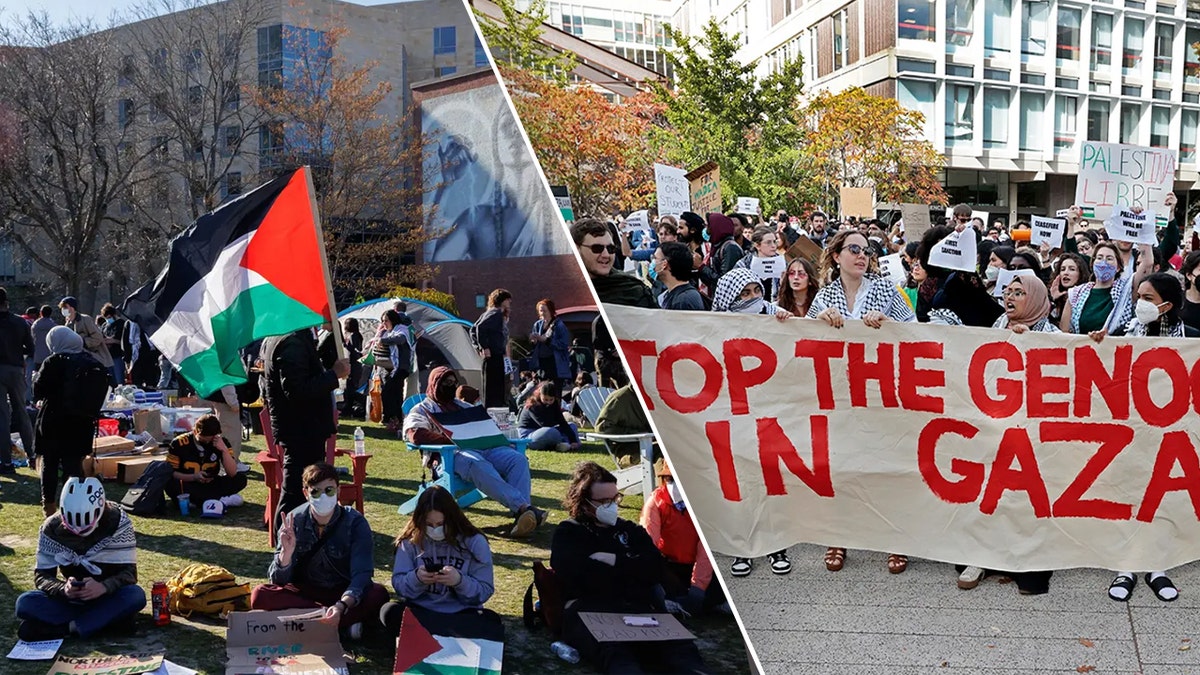
The administration’s lawsuit challenges the university’s “time, place, and manner” restrictions. The legal debate centers on where “political speech” (which is protected) ends and “targeted harassment” (which is prohibited) begins.
- Protected Speech: General political statements or protests regarding international conflicts.
- Prohibited Harassment: Targeted threats against specific students, blocking access to classrooms based on identity, or the use of slurs that create a pervasive sense of physical danger.
The lawsuit alleges that Harvard applied its speech codes inconsistently, effectively allowing a “heckler’s veto” where certain groups were permitted to create hostile environments under the guise of free expression while other groups were strictly regulated.
TRUMP DOJ FILES NEW LAWSUIT ACCUSING HARVARD OF WITHHOLDING RECORDS ON RACE IN ADMISSIONS

4. Institutional Response and Defense
Harvard University has historically defended its actions by citing a commitment to the “educational mission” and the complexity of managing a diverse global student body. In previous statements, the university has emphasized its efforts to increase campus security and establish task forces to combat hate speech.
The defense is likely to argue that:
- The university took “reasonable steps” given the volatile nature of the events.
- The federal government is overreaching by attempting to define specific types of political speech as inherently discriminatory.
- The lawsuit is politically motivated rather than a neutral application of civil rights law.
5. Broader Impact on Higher Education
This lawsuit serves as a warning shot to all universities receiving federal funds. The Trump administration’s aggressive use of the Department of Justice to monitor campus discourse suggests a new era of federal oversight.
Precedent Setting: If the administration wins or reaches a stringent settlement, it will establish a new “floor” for what constitutes an acceptable response to campus unrest. Other universities may proactively change their disciplinary codes to avoid similar litigation, potentially leading to a more restricted environment for campus activism.
6. Frequently Asked Questions (FAQ)
Q: Can a private university like Harvard really be sued by the government for speech? A: Yes. While the government generally cannot regulate speech, it can regulate the conduct and environment of any institution that accepts federal money. Title VI is a condition of accepting those funds.
Q: What is the difference between a Title VI investigation and a lawsuit? A: An investigation is typically conducted by the Office for Civil Rights (OCR) within the Department of Education. A lawsuit, filed by the Department of Justice (DOJ), moves the matter into the federal court system, where a judge can issue binding rulings and penalties.
Q: Does this lawsuit define “antisemitism”? A: The legal complaint often references the International Holocaust Remembrance Alliance (IHRA) working definition of antisemitism, which has been adopted by various federal executive orders to help guide civil rights enforcement.
Q: What happens if Harvard loses? A: Harvard would likely be forced to adopt a federally monitored “resolution agreement,” which could include changing its disciplinary procedures, hiring independent monitors, and potentially paying damages to students who can prove they were harmed by the environment.
7. Conclusion: The Path Forward
The Trump administration vs. Harvard University is more than a legal dispute; it is a fundamental debate over the soul of the American university. As the case moves through the discovery phase, the public will likely gain unprecedented access to internal university communications regarding how they balanced political pressure with student safety. The outcome of this case will define the boundaries of institutional liability and the reach of federal power in the 21st-century ivory tower.

