

When discussions around weight loss take place, the advice is usually boiled down to a simple, unyielding formula: eat less, move more. On paper, energy balance rules supreme. But in the real world, biology does not operate in a vacuum. Human metabolism, appetite regulation, and behavioral choices are deeply influenced by the environment—and few environmental forces shape our daily lives more powerfully than financial stress.
Click image below for a chance to win 2k a week for 1 week

If you have ever found yourself struggling to keep off body fat during periods of tight budgets, debt, or job insecurity, you are not imagining things. Science demonstrates that living with financial anxiety creates a multi-layered biological and psychological environment that actively promotes fat storage and makes staying slim significantly harder.
Understanding the mechanics behind financial stress fat gain is the first step toward breaking the cycle. Here is an in-depth breakdown of why financial strain triggers weight gain, how it sabotages body composition, and actionable, low-cost strategies to overcome this disadvantage.
1. The Biology of Financial Stress: Cortisol and Visceral Fat
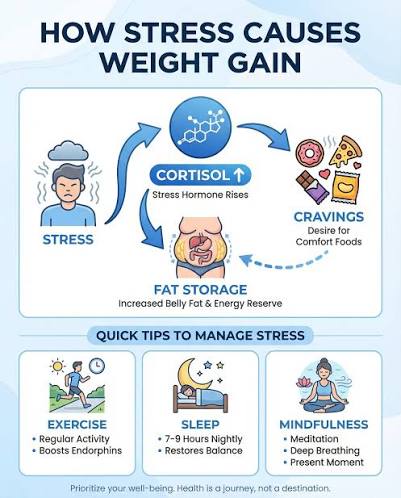
Stress is an evolutionary survival mechanism. When your brain perceives a threat, it activates the hypothalamic-pituitary-adrenal (HPA) axis, triggering the release of cortisol—your body’s primary stress hormone.
To your ancient biology, a threat was a predator or an impending famine. To your modern brain, a threat is an unpaid rent notice, mounting credit card debt, or a sudden unexpected expense. Your nervous system cannot distinguish between a physical predator and financial instability.
When financial anxiety becomes chronic, cortisol levels remain elevated for weeks or months at a time. This sustained hormonal elevation impacts your metabolism in three major ways:
A. Accelerated Visceral Fat Storage
Cortisol mobilizes triglycerides from other storage sites and relocates them to deep abdominal fat cells (visceral fat). Visceral fat cells contain a higher density of cortisol receptors compared to subcutaneous fat (the fat directly under your skin), making your midsection the primary target for stress-induced weight gain.
B. Disruption of Hunger Signals
Elevated cortisol directly interferes with appetite-regulating hormones:
- Leptin Resistance: Leptin tells your brain when you are full. Chronic stress blunts leptin signaling, making you feel perpetually unsatisfied after meals.
- Elevated Ghrelin: Ghrelin is the hormone that signals hunger. Cortisol keeps ghrelin levels high, driving persistent, background hunger throughout the day.
:max_bytes(150000):strip_icc()/how-stress-can-cause-weight-gain-3145088-f021b923da404a2abce3782c4a8c1ab7-304c47849f5e4828837bda4340f81543.jpg "Why Being Stressed About Money Makes Losing Weight Almost Impossible—And What to Do Instead")
-
C. Cravings for Energy-Dense “Comfort” Foods
Under chronic stress, the brain demands fast, high-energy fuel. Cortisol increases your biological drive for foods rich in refined sugar, saturated fats, and sodium. These hyper-palatable foods temporarily dampen stress responses by releasing dopamine, creating a neurochemical feedback loop: financial anxiety triggers stress, stress triggers sugar cravings, sugar offers momentary relief, and the cycle repeats.
2. The Economic Friction: Calorie Density vs. Nutrient Density
The second hurdle created by financial stress is purely structural. Wealth provides access to lower-calorie, high-volume foods that support a lean body composition. Financial strain forces individuals to rely on cheap, energy-dense options.
-
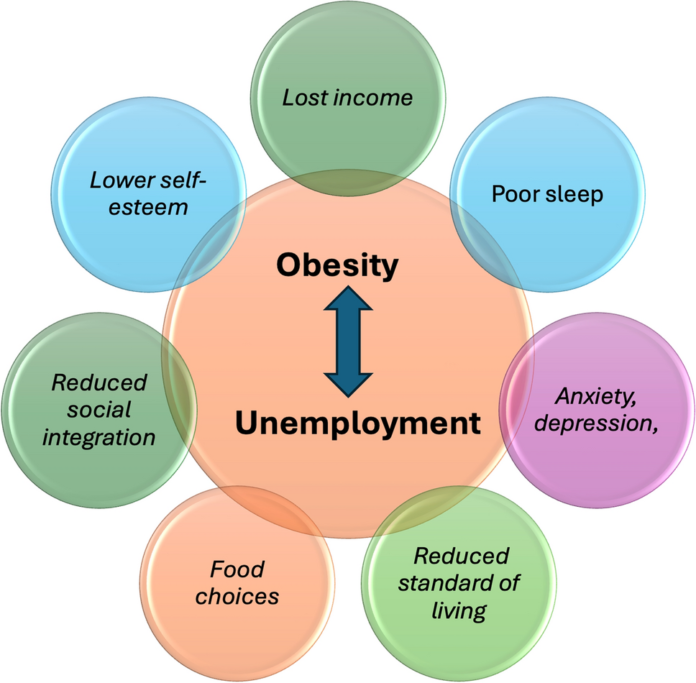
This economic divide creates a distinct socio-economic pattern across developed countries. As explored in analyses examining Why the Wealthiest in Developed Nations Are Thinner and Why Low Income Means High Obesity in Rich Nations, wealth acts as a protective buffer against metabolic dysfunction. “In high-income nations, access to nutrient-dense, low-calorie foods and leisure time for exercise is a luxury of the affluent, whereas low-income groups face an environment saturated with cheap, hyper-palatable, calorie-dense foods designed for profit rather than satiety.” This structural divide illustrates that high obesity rates among low-income populations are not a result of personal failure, but rather a predictable metabolic outcome when financial strain intersects with an industrial food system.
-
The Cost-Per-Calorie Gap
Across global supply chains, ultra-processed foods—refined grains, industrial seed oils, packaged snacks, and fast food—are systematically cheaper per calorie than whole foods like fresh lean meats, berries, wild fish, and organic produce.
When operating on a tight grocery budget, the logical economic move is to maximize calories per dollar spent. However, high-calorie, highly processed foods are engineered to bypass natural satiety cues. They digest rapidly, spiking blood sugar and insulin, only to cause a crash hours later that triggers intense hunger.
Time Scarcity and “Poverty Fatigue”
Staying lean on a budget requires significant time and planning: meal prepping, cooking from scratch, and sourcing affordable protein.
However, lower-income or financially stressed individuals often work longer hours, manage unpredictable shift schedules, or endure exhausting commutes. When physical and mental energy are depleted at the end of a 12-hour workday, executive function breaks down. Fast food or instant pre-packaged meals become the default choice simply because they require zero preparation time.
3. Cognitive Load and Decision Fatigue
Willpower is not an infinite resource; it is a renewable mental reserve that depletes as you use it. Psychological research shows that financial insecurity imposes a heavy “bandwidth tax” on the human mind.
When your cognitive energy is constantly occupied by calculating bills, managing debt, and juggling survival needs, your capacity for impulse control drops drastically. Resisting a hyper-palatable, cheap snack at 8:00 PM requires willpower that has already been spent dealing with financial micro-stressors throughout the day. This phenomenon, known as decision fatigue, makes maintaining a caloric deficit exponentially harder when under financial pressure.
4. How to Overcome the Disadvantage: A Low-Cost Roadmap
While financial stress creates genuine biological and economic obstacles, you are not powerless. By applying targeted, budget-conscious strategies, you can protect your metabolism, manage hunger, and maintain a lean body without spending a fortune.
Strategy 1: Prioritize Low-Cost, High-Protein Anchors
Protein has the highest Thermic Effect of Food (TEF) and is the most satiating macronutrient, preserving lean muscle mass and keeping hunger low. You do not need expensive cuts of steak or boutique protein powders to hit your protein targets.
Budget-Friendly Protein Goldmines:
- Canned Tuna / Salmon: Extremely lean, shelf-stable, and high in protein.
- Eggs & Egg Whites: One of the most bioavailable, affordable protein sources available.
- Greek Yogurt / Cottage Cheese: High in casein protein, which digests slowly and maintains fullness.
- Dry Lentils, Black Beans, and Chickpeas: High in both protein and dietary fiber, expanding in the gut to promote satiety.
- Bulk Frozen Chicken Breast: Sourcing frozen chicken in bulk cuts costs significantly compared to fresh cuts.
Strategy 2: Leverage Frozen Whole Foods
Fresh produce often spoils before it can be eaten, leading to wasted money. Frozen vegetables (broccoli, spinach, green beans) and frozen berries are picked at peak ripeness, frozen immediately, and are often significantly cheaper than fresh alternatives.
Filling half your plate with volume-dense frozen vegetables adds physical weight to your meals, stretching your stomach lining and signaling satiety to your brain without adding excess calories.
Strategy 3: Regulate Cortisol Without Spending Money
You cannot always eliminate financial stress overnight, but you can buffer its biological impact on your nervous system for free:
- Targeted Walking (NEAT): A 15-to-20-minute brisk walk after meals helps clear blood glucose, lowers postprandial insulin spikes, and burns calories without elevating appetite-stimulating stress hormones.
- Prioritize Sleep Hygiene: Sleep deprivation raises ghrelin and tanks insulin sensitivity. Keep your bedroom dark, cool, and quiet, and establish a consistent sleep schedule. Quality sleep is a free metabolic enhancer.
- Basic Resistance Training: Bodyweight exercises (push-ups, bodyweight squats, lunges, inverted rows) require zero gym equipment and send a powerful signal to your body to retain muscle mass during a calorie deficit.
Strategy 4: Reduce Decision Fatigue Through Systematization
Remove daily food choices from your routine. Eating the same simple, budget-friendly breakfast and lunch during the workweek eliminates the need to exercise willpower when you are fatigued. When healthy choices are automated, financial stress cannot hijack your diet as easily.
Frequently Asked Questions (FAQ)
Does financial stress specifically cause lower belly fat?
Yes. Chronic financial stress elevates cortisol, which preferentially promotes fat storage around abdominal organs (visceral fat). Visceral fat cells have a higher concentration of glucocorticoid receptors, making the waistline the primary site for stress-related fat deposition.
Can you lose weight while living on a very tight budget?
Absolutely. While it requires more planning and time, losing weight comes down to maintaining a sustained caloric deficit. By focusing on low-cost protein staples (eggs, canned fish, lentils) and volume-dense frozen vegetables, you can create a highly satiating diet on a low budget.
Why do I crave sugar and carbs when I am worried about money?
Financial stress activates your fight-or-flight system, releasing cortisol. Cortisol signals your brain to seek fast-acting fuel—specifically simple carbohydrates and sugars—to prepare for perceived physical danger. Sugar also triggers a short-term release of dopamine, providing temporary emotional relief from anxiety.
Is it true that sleep deprivation from stress makes you gain weight?
Yes. Poor sleep caused by financial anxiety disrupts hunger-regulating hormones. It decreases leptin (which signals fullness) and increases ghrelin (which signals hunger), leading to increased calorie intake and stronger cravings for junk food the following day.
Final Thoughts
Financial stress undeniably makes staying slim harder by altering your biology, depleting your energy, and pushing you toward cheap, calorie-dense foods. However, weight management under financial strain is not impossible—it simply requires a strategy built around high-satiety, low-cost foods, automated routines, and free stress-buffering habits.
By removing willpower from the equation and relying on smart food choices, you can protect both your bank account

