

Timestamp: July 27, 2026
The Price of Irresponsibility: When Parental Choices Turn Deadly
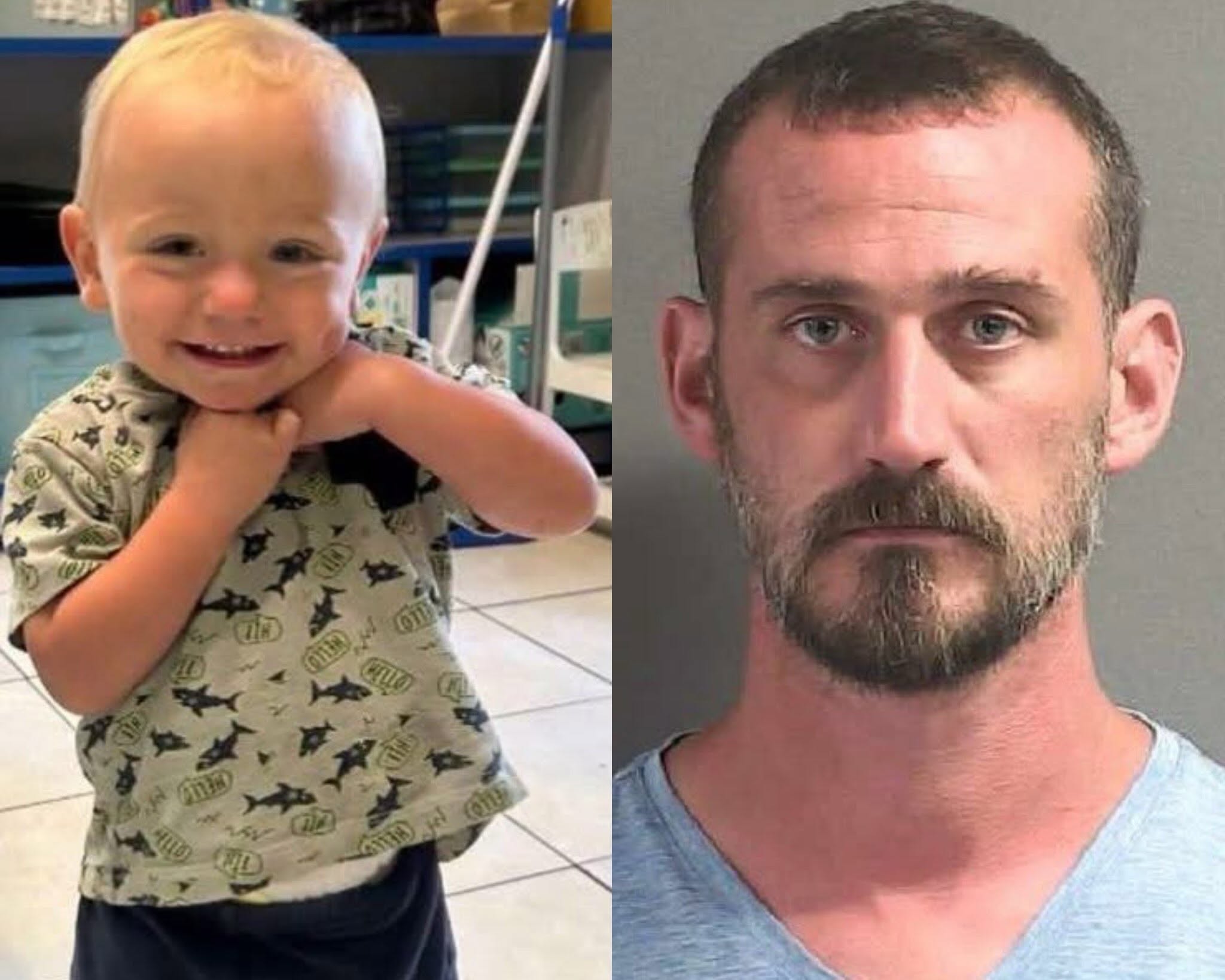
In the quiet corners of our justice system, certain cases emerge that shake the foundation of our societal expectations. The sentencing of Scott Gardner, a Florida man who will now spend 42 years behind bars, is one such case. Following the tragic, preventable death of his 18-month-old son, Sebastian, the judicial hammer has fallen with a weight that reflects the gravity of the loss. But beyond the headlines of the sentencing lies a complex narrative regarding parental responsibility, the psychological drivers of negligence, and the role of the state in penalizing the ultimate betrayal of trust.
The Anatomy of a Tragedy
The facts of the case are as chilling as they are inexcusable. On the day that would ultimately end in tragedy, Scott Gardner allegedly left his 18-month-old son, Sebastian, confined within a hot truck. While the toddler suffered the agonizing effects of heatstroke in the stifling Florida heat, Gardner was reportedly attending to personal errands: obtaining a haircut and visiting a local bar to grab a drink.
id02j6sYdgV53do2VrRkqQbgYSqX7AYwKfbJPr9wSSc78oMxK55TntwpT15Yke3vgxxvl
For hours, the child remained trapped—a victim of total abandonment. By the time the realization set in, it was too late. Sebastian had succumbed to the extreme conditions, leaving a family devastated and a community demanding answers. Gardner’s plea of no contest to second-degree murder, aggravated child abuse, and aggravated child neglect effectively admitted his role in the catastrophe, yet it leaves the public to grapple with a haunting question: How does a parent, tasked with the most fundamental duty of protection, arrive at a place of such profound disregard?
The Legal Framework: Judicial Sentencing for Child Neglect
The 42-year sentence handed down is a severe one, sparking debate across the legal community. Some argue it is a necessary deterrent, a clear signal that the law will not tolerate the fatal neglect of a child. Others, however, question the sentencing architecture itself.
In the realm of judicial sentencing for child neglect, courts are often faced with a paradox. They must balance the need for retributive justice—punishment proportional to the loss—with the complexities of the defendant’s mental state. In cases involving extreme substance use or profound cognitive failure, the legal system struggles to categorize the “intent.” Was it malicious, or was it the result of a mind so disconnected from reality that it could not fathom the consequences of its actions? The Gardner case, through his “no contest” plea, effectively bypassed a trial, avoiding the agonizing detail that a jury would have had to digest, but it left the sentencing phase as the only venue for public resolution.
The Intersection of Substance, Ego, and Abandonment
We often analyze the “chassis” of human behavior—the internal structures that govern our executive function and emotional regulation. In tragic cases like this, we see a complete collapse of that chassis. The consumption of alcohol or the pursuit of fleeting personal comfort (like a haircut) acting as the priority over the survival of one’s own child suggests a severe, almost pathological, externalization of the self.
Much like the recurring theme of fathers in crisis—such as the recent harrowing incident where a father, having consumed eight pints of beer, shook his four-week-old baby to death—the Gardner case highlights a fatal pattern. These are not merely “mistakes”; they are manifestations of a life lived without a center. When the impulse of the moment (a drink, a social outing, a desire for personal grooming) outweighs the fundamental biological and moral duty to protect a child, the “chassis” has been rendered dysfunctional. The tragedy is that this dysfunction, which could perhaps have been corrected through intervention or stricter social structures, was instead permitted to continue until it resulted in the death of an innocent.
Justice vs. The “Systemic Cushion”
The public’s intense reaction to the 42-year sentence is a reflection of a growing impatience with “lenient” justice. We live in an era where societal narratives often try to “cushion” the actions of the individual with excuses—mental health struggles, past trauma, or societal pressures. While these factors are real, they cannot be permitted to override the objective fact of the victim’s death.
The sentence of 42 years serves as an assertion that the life of a toddler, the potential of a human being who never had a chance to grow, must be weighed with the utmost severity. The legal system’s primary function is to protect the social contract. When that contract is violated by the very people who are meant to uphold it—parents—the state must respond with an iron hand. If it does not, it risks signaling that the life of the vulnerable is disposable.
Building a Resilient Future
If we are to avoid such tragedies, we must focus on the cultivation of internal capacity. We must teach young men and women that their decisions have cascading consequences. We must emphasize that High-Value Output—such as effective parenting and long-term protection of the family unit—is the hallmark of a resilient adult.
The Gardner case is a grim benchmark. It is a story of total failure: failure of judgment, failure of character, and failure of the internal systems that should stop an individual before they reach the point of no return. We honor Sebastian not just by mourning him, but by demanding that our legal and social systems prioritize the lives of those who cannot protect themselves.

Frequently Asked Questions (FAQ)
Q: What charges did Scott Gardner plead to in the death of his son? A: Gardner pleaded no contest to second-degree murder, aggravated child abuse, and aggravated child neglect.
Q: Why do courts hand out long sentences for child neglect cases? A: Courts utilize sentencing as a tool for both retribution and deterrence. In cases involving the death of a child, the severity of the loss often dictates a long sentence to uphold the sanctity of human life and to deter similar negligence.
Q: How can we distinguish between “accident” and “criminal neglect”? A: Criminal neglect involves a level of disregard for a child’s safety that exceeds what a reasonable person would do. Leaving a toddler in a vehicle for hours for personal errands constitutes a level of negligence that the law classifies as criminal.
Q: Does the 42-year sentence reflect current trends in child safety legislation? A: Increasingly, jurisdictions are tightening sentencing guidelines for crimes against children, reflecting a societal shift toward harsher penalties for those who cause the death of a child through negligence or abuse.
This sentencing also underscores a troubling inconsistency within our judicial landscape—one that leaves communities questioning the true value placed on the lives of children. When compared to the harsh, 42-year sentence handed down in the Florida truck tragedy, the recent case of the Scottish brute who escaped prison after violently battering three children, including a defenseless baby girl, feels like a slap in the face to the concept of equal justice. In that instance, the offender was allowed to walk free despite a documented history of losing his temper and inflicting physical harm. This disparity illustrates a fractured system where the “luck of the draw” regarding which judge oversees a case—or which jurisdiction a crime occurs in—can mean the difference between decades of incarceration and total freedom for those who perpetrate violence against the most vulnerable. Such leniency, when contrasted with cases where long sentences are deemed appropriate, creates a sense of systemic unpredictability that leaves the public cynical about whether the law is truly designed to protect children or merely to manage the caseload of the courts.

