

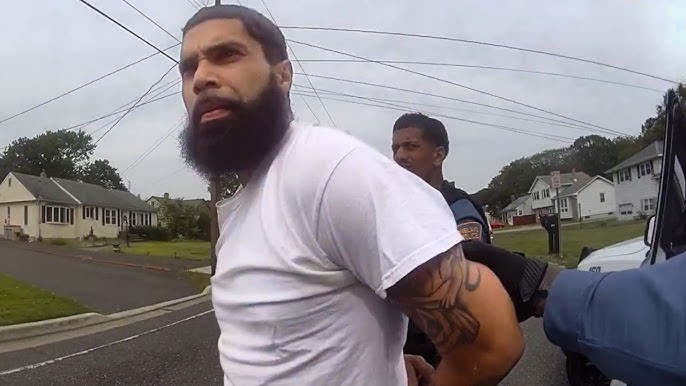
When a suspected predator chooses to operate within the immediate perimeter of an educational institution, the nature of law enforcement intervention shifts from a standard investigation to a high-priority tactical interception. In the investigative footage titled “Predator Lurking Around School Realizes Cops Found Him” by Police Insider, viewers are given a rare, unvarnished look at how proactive police surveillance transforms a high-risk tracking operation into a clean, indisputable apprehension.
Unlike decentralized civilian-led stings that rely on confrontational ambush tactics in public parking lots, professional law enforcement operations near school zones are dictated by strict protocols. They prioritize perimeter containment, airtight evidence preservation, and public safety optimization.
Predator Lurking Around School Realizes Cops Found Him
https://www.youtube.com/watch?v=zyGR_TObynA
When a suspect realizes that the seemingly random vehicles surrounding them are actually plainclothes detectives, their psychological defense mechanisms shatter in real time, shifting from predatory confidence to total compliance.
The Tactical Phase: Setting the Surveillance Net
The footage highlights the invisible, meticulous prep work that occurs long before the suspect realizes they are in jeopardy. Operating near a school requires law enforcement to deploy a covert, multi-layered containment net to ensure the suspect cannot bolt into crowded student areas or initiate a high-speed vehicle pursuit.
                    [The School Zone Containment Net]
                                    │
        ┌───────────────────────────┼───────────────────────────┐
        ▼                           ▼                           ▼
 [Covert Static Spots]     [Mobile Bubble Units]     [Real-Time Dispatch]
 Unmarked vehicles record  Plainclothes detectives   Uniformed units block
 license plates and face   shadow the suspect's      escape routes during
 metrics from afar.        foot movements.           the final takedown.
In this specific operation, detectives utilize covert static surveillance positions to monitor the suspect’s vehicle movements and foot traffic near the campus boundaries. By maintaining distance, the surveillance team allows the suspect to establish clear criminal intent—such as loitering without a valid purpose, attempting to film or photograph students, or moving toward a pre-arranged meeting spot coordinated via an undercover digital decoy.
Once that legal threshold is crossed, the mobile units close the gap, cutting off escape routes before the suspect even notes their presence.
The Psychology of the Realization: The Exact Moment the Routine Breaks
One of the most behaviorally significant segments of the video occurs when the suspect shifts from an active hunting mindset to the sudden realization that they are the ones being hunted.
Predators operating in public spaces rely heavily on a psychological concept known as normative camouflage. They convince themselves that by dressed in ordinary clothes, sitting in a common vehicle, or holding a smartphone, they blend seamlessly into the background noise of a busy school afternoon.
When the plainclothes detectives move in and present their badges, the suspect’s brain experiences an instantaneous cognitive overload. The video captures the classic physiological markers of a high-stress realization:
-
The Verbal Freeze: When initially questioned about their reasons for hanging around the school, the suspect’s speech pattern fractures, resulting in stuttering, long pauses, and contradictory statements.
-
Micro-Expressions of Flight: The suspect’s eyes rapidly dart toward their vehicle or the nearest exit point—an instinctive, primal survival response that occurs right before the logical mind realizes they are completely surrounded.
-
Immediate De-escalation Shifting: Realizing that running from sworn, armed law enforcement will result in immediate physical containment or felony evasion charges, the suspect rapidly abandons any defiance and adopts a highly submissive, overly cooperative posture to minimize the perceived threat level.
Video Timeline Analysis: The Breakdown Stages
The operational footage provided by Police Insider follows a distinct chronological progression, tracking the target from early tracking to formal transport.
-
[00:00 – 02:15] Covert Observation and Pattern Matching: The video opens with raw surveillance footage taken from an unmarked police unit. Detectives point out the suspect’s vehicle lingering near the school’s perimeter during peak student release hours, establishing a suspicious pattern of behavior.
-
[02:16 – 04:30] The Approach and Identification: Plainclothes officers exit their vehicles and approach the suspect on foot. They rapidly identify themselves as law enforcement, immediately changing the power dynamic of the interaction and catching the suspect entirely off guard.
-
[04:31 – 07:10] The Interrogation and Alibi Collapse: Officers question the suspect regarding his online communications and his reasons for loitering near a school zone. The suspect attempts to offer a superficial excuse (such as waiting for a friend or looking for directions), which is instantly dismantled by detectives referencing verified digital data.
-
[07:11 – 09:45] The Search and Arrest Sequence: Uniformed backup arrives on the scene to secure the area. The suspect is patted down, handcuffed, and their vehicle is systematically searched for electronic evidence, recording devices, or items indicating premeditated exploitation.
-
[09:46 – End] Post-Operation Debrief: The suspect is placed into the transport vehicle. The insider analysis concludes with a summary of the charges filed and a reminder of the vital role that proactive community reporting plays in keeping school zones secure.
Editor’s Opinion: The Superiority of Professional Interception
The footage from “Predator Lurking Around School Realizes Cops Found Him” serves as a powerful reminder of why professional law enforcement operations are vastly superior to civilian vigilante groups. When civilian groups execute stings, they often prioritize sensationalism, shouting matches, and viral video editing. This can create massive legal headaches that defense attorneys easily exploit in court to get charges dropped on procedural technicalities.
Police operations, by contrast, are clinical, methodical, and designed to withstand the strict scrutiny of a courtroom. By utilizing covert surveillance, establishing explicit intent, and executing the arrest without emotional escalation, these detectives ensure that the suspect is not just embarrassed on camera, but permanently removed from the community through a definitive, lawful conviction. Protecting our children requires professional operational excellence—not performative internet theater.
Operational Field Execution Matrix
| Tactical Phase | Law Enforcement Protocol | Suspect Behavioral Reaction |
| Phase 1: Detection | Covert static surveillance; cross-referencing vehicle plates and digital footprints. | Unaware; continues predatory scanning of the school area. |
| Phase 2: Contact | Sudden, polite approach by plainclothes officers; clear display of police credentials. | Confusion; attempt to use basic social scripts to excuse presence. |
| Phase 3: Confrontation | Presentation of specific digital evidence or observed illegal tracking patterns. | Cognitive collapse; visible shaking, stuttering, and timeline distortion. |
| Phase 4: Resolution | Uniformed extraction; immediate Miranda warning; secure transport to booking. | Total submission; passive compliance as legal reality sets in. |
Frequently Asked Questions (FAQ)
Q: Why do police use plainclothes officers instead of marked squad cars for these operations?
A: Marked police cruisers act as an immediate deterrent. If a suspect sees a marked car, they will simply drive away and relocate their predatory behavior to a less-monitored area. Plainclothes officers allow the suspect to feel safe enough to establish clear, actionable criminal intent, ensuring law enforcement can make a lawful arrest rather than just scaring them off.
Q: Can a suspect be arrested simply for sitting in a car near a school?
A: No, sitting in a car publicly is not a crime by itself. For an arrest to occur, law enforcement must possess probable cause. This is typically built by pairing physical loitering patterns with digital evidence—such as explicit text conversations showing the suspect traveled to that exact location to meet a minor, or the unauthorized recording of school children.
Q: What should parents or teachers do if they spot a suspicious vehicle lurking near a campus?
A: Do not confront the individual. Take note of the vehicle’s make, model, color, and license plate number, along with a description of the driver. Immediately report the details to school security and local law enforcement. Let trained detectives deploy surveillance to evaluate the situation safely and professionally.
Systemic Betrayal: When the Watchmen Turn Predator
The clinical execution of the school zone interception demonstrates how effectively the justice system functions when law enforcement officers actively protect the community. However, the psychological dynamics of these operations become significantly more complex when the individual being tracked isn’t an ordinary citizen, but someone embedded within the legal or security apparatus itself. When a bad actor possesses professional training in counter-surveillance, digital opsec, or tactical evasion, the cat-and-mouse game escalates dramatically. These high-stakes captures require specialized task forces to look past professional camaraderie and treat a compromised peer with the exact same ruthless, methodical precision used on any other high-risk target.
To read our complete, step-by-step forensic analysis of how federal investigators bypassed elite security clearance protocols and dismantled the sophisticated digital cover of a compromised institutional insider, explore our deep-dive report: [The Professional Predator: Analyzing the Takedown of Agent Edmundo].

