

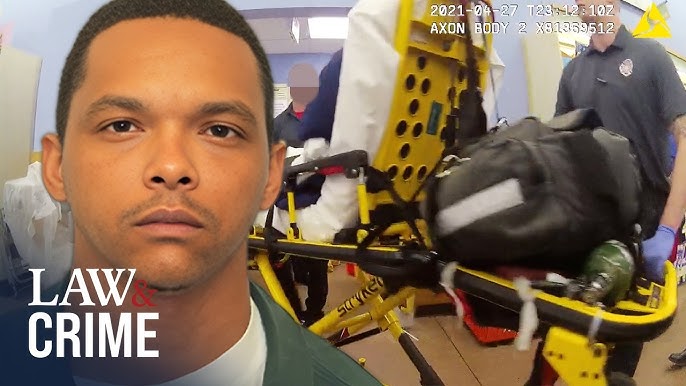
Violent crimes occurring in everyday, public spaces often leave communities shaken and demanding answers. One such harrowing incident unfolded inside a Georgia supermarket restroom, drawing national attention due to the brazen nature of the attack, the swift intervention of ordinary citizens, and the subsequent legal proceedings.
This comprehensive case study examines the events surrounding 26-year-old Gregory Hathorne, the crucial role played by Good Samaritans, the evidence captured on law enforcement bodycam footage, and the ultimate resolution in a court of law.
Subtitles / Section Outline
-
00:00 – 01:15 | Introduction to the Case: Overview of the incident at the Georgia Kroger and initial police response.
-
01:15 – 03:30 | Bystander Intervention: How Good Samaritans subdued the suspect before authorities arrived.
-
03:30 – 06:00 | Bodycam Breakdown: Analysis of law enforcement footage capturing the arrest and scene management.
-
06:00 – 08:45 | Legal Outcome: Gregory Hathorne’s guilty plea, sentencing details, and legal analysis.
-
08:45 – 10:00 | Conclusion: Reflections on public safety, community vigilance, and justice.
The Incident: An Attack in a Public Space
Public supermarkets like Kroger are community hubs—places where families shop, workers clock in, and individuals expect a baseline level of safety. That sense of security was shattered when a violent assault occurred inside a Kroger restroom in Georgia.
The victim, a woman targeted at random, faced a terrifying ordeal when Gregory Hathorne launched an unprovoked attack. Crimes of opportunity in public facilities highlight a vulnerable blind spot in commercial security, sparking widespread discussions about how retail spaces can better protect customers and staff.
The Role of Good Samaritans
One of the most defining aspects of the incident was the immediate response from everyday people. Rather than standing by or ignoring cries for help, alert Good Samaritans intervened in the heat of the moment. Their decisive actions subdued Hathorne, preventing further harm and holding him at the scene until law enforcement could arrive. This act of civilian bravery underscores the critical impact community members can have when confronting immediate threats to public safety.
Law Enforcement Response and Bodycam Analysis
Local law enforcement arrived promptly following emergency calls placed from the scene. Upon arrival, officers secured the area, took custody of the suspect, and began collecting vital forensic and testimonial evidence.
Bodycam footage later released to the public provided a raw, unvarnished look at the immediate aftermath of the crime. The video captured:
-
The Suspect’s Apprehension: Officers dealing with a compliant yet heavily scrutinized suspect at the scene.
-
Witness and Bystander Accounts: Quick debriefs where Good Samaritans explained how they managed to subdue Hathorne.
-
The Emotional Weight of the Scene: The immediate professionalism of responding officers managing a chaotic, highly sensitive environment.
Legal analysts and crime correspondents, such as Elizabeth Millner of Law&Crime, utilized this footage to walk viewers through the mechanics of the arrest, detailing how officers establish probable chain-of-custody and secure initial statements that hold up in court.
Legal Proceedings and Sentencing
Following his arrest, Gregory Hathorne faced severe felony charges. The judicial process moved forward when Hathorne ultimately entered a guilty plea, sparing the victim the additional trauma of a protracted trial.
In sentencing Hathorne to prison, the judge weighed the violent and random nature of the crime, the physical and psychological impact on the victim, and the need for public deterrence. A prison sentence ensures that a dangerous offender is removed from society, offering a measure of closure and accountability to the survivor and the broader community.
When Rehabilitation Meets Public Outrage: Navigating Accountability in High-Profile Cases
The tension between judicial rehabilitation frameworks and intense public outrage was sharply highlighted during the controversial legal proceedings surrounding Jesse Butler. Facing severe accusations including attempted first-degree rape and domestic assault by strangulation, Butler’s path through the justice system sparked widespread community backlash when youthful offender status allowed him to avoid traditional prison time conditional on structured rehabilitation and counseling. Cases that balance juvenile sentencing guidelines against violent felony charges consistently ignite national debates over victims’ rights, transparency under laws like Marsy’s Law, and whether rehabilitation-focused sentences truly serve justice or undermine public safety.
Courtroom twist in hearing about controversial Jesse Butler case explores the heated courtroom arguments and compliance hearings surrounding the Jesse Butler proceedings.
Frequently Asked Questions (FAQ)
1. Who is Gregory Hathorne?
Gregory Hathorne is a 26-year-old individual who was arrested, pleaded guilty, and sentenced to prison following a violent assault inside a Georgia Kroger restroom.
2. What charges did Gregory Hathorne face?
Hathorne faced severe felony charges related to sexual assault and violent crime, ultimately resulting in a guilty plea and a prison sentence.
3. How was the suspect apprehended?
Before law enforcement arrived, alert Good Samaritans at the scene intervened, successfully subduing Hathorne and preventing further escalation.
4. What role did bodycam footage play in the case?
Law enforcement bodycam footage documented the immediate aftermath, officer protocols, and witness statements, providing transparent documentation utilized in news coverage and legal reporting.
Conclusion
The case of Gregory Hathorne serves as a sobering reminder of the unexpected dangers that can arise in public spaces, as well as the resilience of communities when faced with crisis. Through the combined efforts of brave bystanders, responsive law enforcement, and a rigorous judicial system, accountability was swiftly achieved, removing a violent offender from the streets.
-

