

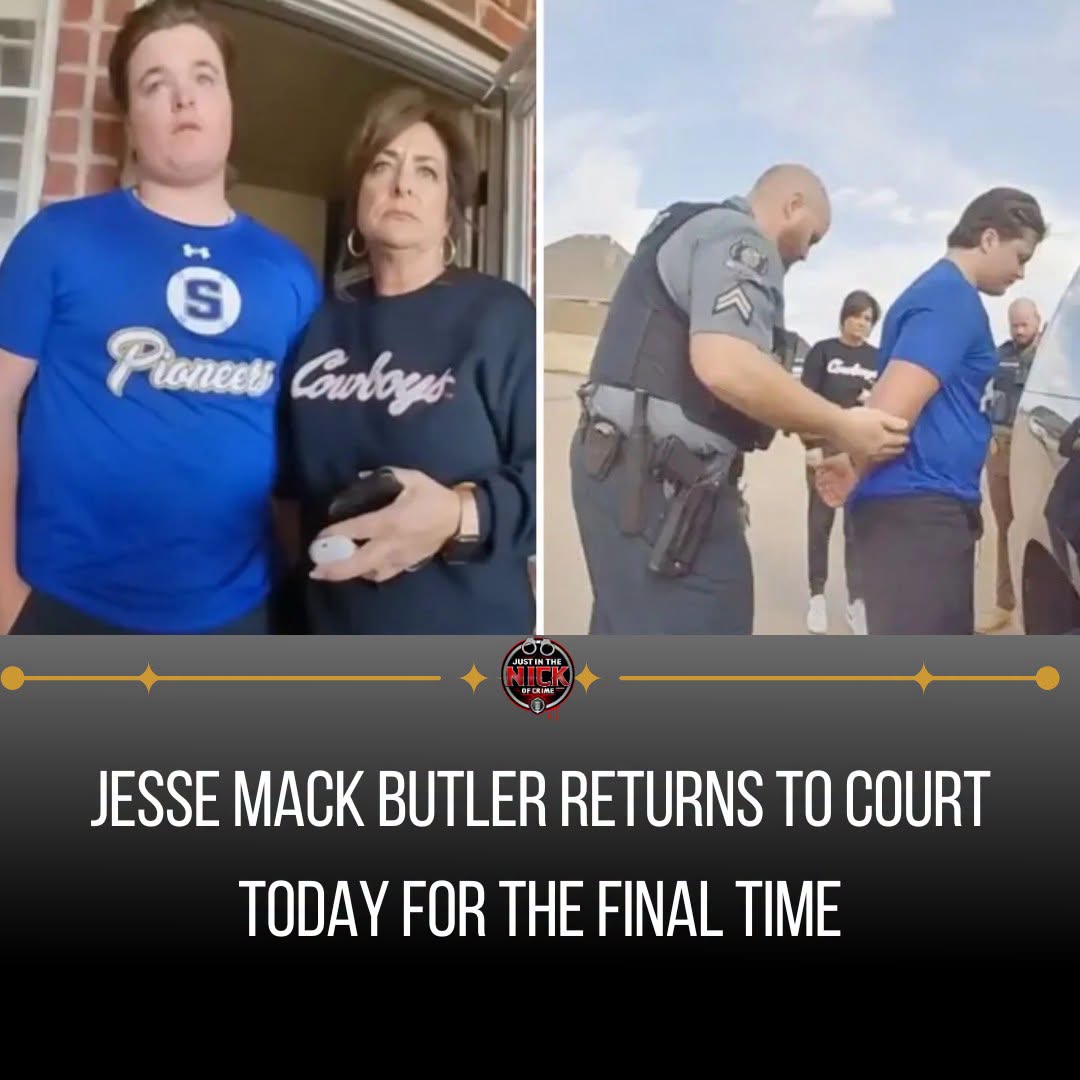
The intersection of juvenile rehabilitation and violent crime accountability remains one of the most volatile areas of modern jurisprudence. Few legal pathways ignite public fury quite like the youthful offender system when applied to serious charges. The high-profile case centered on Jesse Butler has reached a defining milestone as court officials confirm that the young offender will be officially discharged from his court-ordered supervision at midnight following a compliance review.
For a community that has followed every twist of the litigation, this moment brings a complex mix of closure, frustration, and critical questions regarding how the justice system balances the potential for adolescent rehabilitation with the absolute demand for victim justice.
The Anatomy of a Controversial Resolution
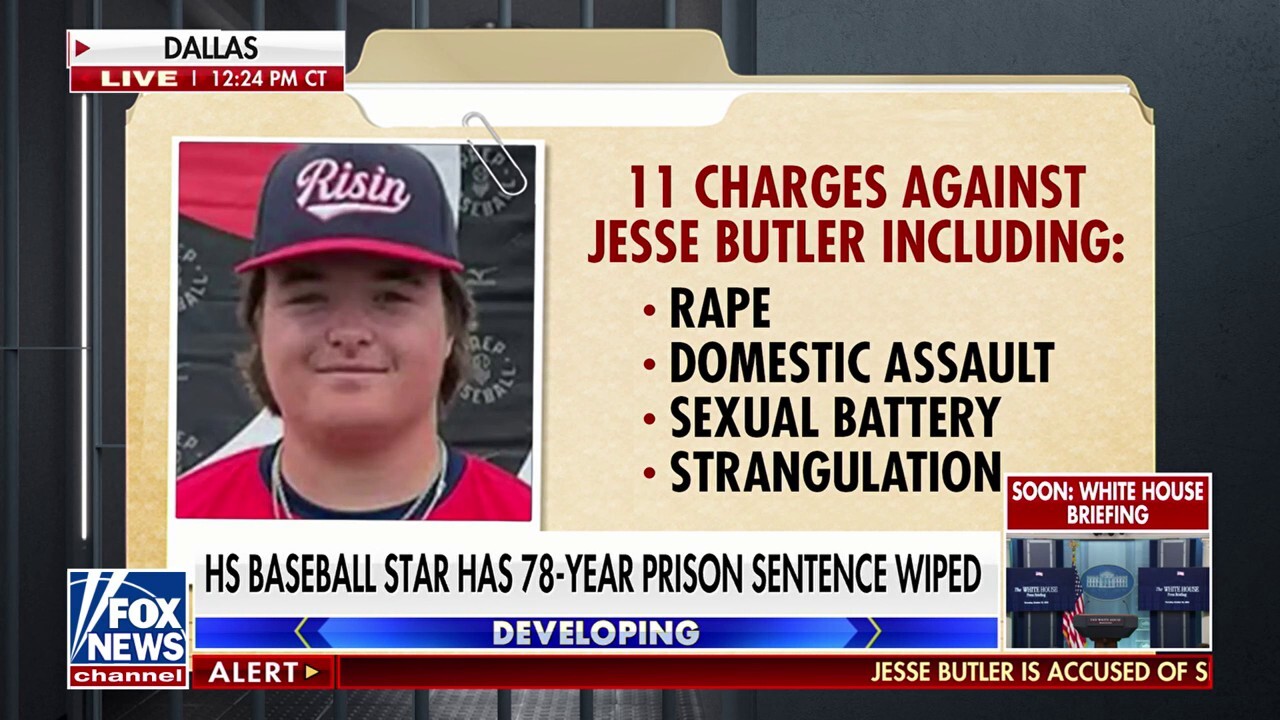
The legal journey that brought the case to this point began amid intense public scrutiny. Initially facing a litany of severe charges—including multiple counts of rape-related offenses, domestic assault, and battery by strangulation stemming from actions committed when he was a minor—the defendant originally faced the prospect of decades behind bars.
However, under Oklahoma legal frameworks, juvenile and youthful offender statutes prioritize rehabilitation over punitive incarceration under specific conditions. By granting youthful offender status, the court carved out a path that bypassed traditional adult penitentiary sentencing in favor of an intensive, monitored rehabilitation plan.
https://www.facebook.com/reel/945912008519502
Critics argued that the leniency undermined the gravity of the offenses, sparking widespread protests, fierce debates among legal scholars, and vocal opposition from victims’ advocates who felt sidelined by plea negotiations. Yet, within the boundaries of the statute, the mechanism was explicitly designed to test whether a youthful offender could successfully complete a strict regimen of psychological counseling, community service, and constant compliance monitoring.
Understanding the Youthful Offender Framework
To comprehend the significance of a discharge at midnight, one must examine the legal architecture of youthful offender status. Unlike adult court, where sentences are primarily retributive, the juvenile and youthful offender systems operate under the legal fiction—and clinical hope—that adolescent brains are still developing, leaving a wider window for behavioral correction.
Jesse Mack Butler: A convicted rapist in Stillwater, OK sentenced to 78 years in prison after almost killing one of the victims isn't serving any of that. The judge and her father have a history of letting this happen.
byu/perriatric invideos
-
The Compliance Mandate: Throughout the duration of the supervision period, the individual is subjected to strict behavioral controls, including curfews, digital restrictions, and specialized therapeutic interventions.
-
The Threat of Reclassification: The sword of Damocles in these agreements is the constant threat that failure to adhere strictly to the rehabilitation plan will trigger an immediate reclassification to adult status, resulting in a substantial prison sentence.
-
The Final Evaluation: The final court review serves as the ultimate test. It requires prosecutors, defense counsel, and the presiding judge to evaluate whether the terms of the agreement have been meticulously fulfilled to the letter of the law.
When court officials confirm that all conditions have been met, the legal system is bound by its own statutes to grant the discharge. For the judicial system, it represents the successful completion of a rehabilitative contract. For many observers and advocates, however, it highlights an uncomfortable chasm between legal compliance and societal restitution.
The Voice of the Victims and the Shadow of Marsy’s Law
A central flashpoint throughout the proceedings has been the treatment of victims’ rights. Cases involving adolescent offenders often expose deep fractures in how communication flows between state prosecutors and the families affected by the crimes.
Throughout the hearings, legal representatives for the victims pressed hard on issues regarding transparency, arguing that the voices of those harmed were marginalized during the initial structuring of the plea agreements. The invocation of Marsy’s Law—designed to guarantee constitutional rights to crime victims, including the right to be heard and conferred with regarding plea negotiations—became a battleground.
This tension underscores a vital truth in modern criminal justice reform: a system cannot declare success based solely on the rehabilitation of the offender if it leaves the victims feeling entirely alienated by the process. True accountability requires a dual focus, ensuring that community safety and offender rehabilitation do not eclipse the ongoing emotional and psychological recovery of those who survived the trauma.
The Broader Implications for Juvenile Justice Reform
The conclusion of this supervisory period invites a broader reflection on how society handles violent crimes committed by minors. As psychological research increasingly illuminates the timelines of neurological development, the legal system will continually grapple with where to draw the line between irredeemable adult criminality and youthful indiscretion.
If the youthful offender framework is to retain any credibility in the eyes of the public, transparency must match leniency. Communities demand assurance that intensive supervision is genuinely rigorous rather than a bureaucratic workaround that allows serious offenders to slip quietly back into society unburdened by a permanent adult record.
As the clock strikes midnight and the supervision order officially expires, the legal chapter closes, but the cultural and ethical debate surrounding juvenile accountability in violent crime will undoubtedly endure.
The complexities of accountability extend far beyond the juvenile justice system and into the upper echelons of global entertainment and celebrity culture, where power dynamics often shield individuals from immediate scrutiny. This dynamic of delayed or fiercely contested accountability is currently under intense public spotlight following explosive allegations detailed in a recent investigative BBC documentary. In the broadcast, four women came forward to accuse Oscar-winning actor Jared Leto of criminal sexual conduct, shedding light on patterns of behavior that allegedly leveraged fame and influence to manipulate and exploit subordinates and fans. Much like high-profile legal cases in the public sphere, these allegations ignite a fierce societal debate about the burden of proof, the silencing of victims in elite spaces, and the profound difficulty of holding powerful figures responsible. Whether examining a youthful offender navigating court-mandated rehabilitation or a globally recognized celebrity facing institutional reckoning, the overarching demand remains the same: transparency, systemic integrity, and an unyielding commitment to justice for the vulnerable.
Frequently Asked Questions (FAQ)
Q: What does a discharge from court supervision mean in this context? A: It means the individual has successfully completed all court-mandated requirements of their youthful offender rehabilitation plan—such as counseling, community service, and compliance monitoring—and is officially released from the court’s oversight.
Q: Why was the defendant tried as a youthful offender instead of an adult? A: Because the offenses were committed when he was a minor, the court granted youthful offender status under state law, which prioritizes structured rehabilitation and therapy over extended adult prison sentences, provided the terms of the plan are met.
Q: Did the defense face any risk of prison time if they failed the program? A: Yes. Under the terms of the youthful offender agreement, any failure to comply with the strict rehabilitation, therapy, or conduct rules could have resulted in reclassification to adult status and a heavy prison sentence.
Q: Why has this case generated so much public controversy? A: The controversy stems from the severity of the original charges versus the final legal outcome, with critics, protesters, and victims’ advocates arguing that the youthful offender status and lack of traditional prison time failed to deliver true justice.

