

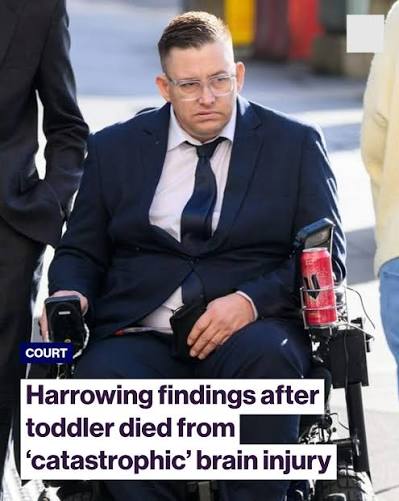
The judicial system in New South Wales has reached a definitive conclusion in a case that shocked the quiet community of the Mid North Coast. In a ruling delivered at the NSW Supreme Court, Aaron John McLeod was found guilty of the murder of his former partner’s two-year-old son—a crime that occurred in May 2022 while the child’s mother was asleep in the adjoining room of their Coffs Harbour home.
https://www.facebook.com/reel/1577204387406701
For families across Australia, cases involving the death of a child are among the most difficult to process. They challenge our fundamental understanding of safety, trust, and the social contract. This article examines the facts of the case, the legal implications, and the broader societal questions regarding the protection of the most vulnerable.
https://www.facebook.com/reel/2082319255828656/
The Circumstances of the Incident
In May 2022, the residents of Coffs Harbour were confronted with an unthinkable tragedy. Police were called to a private residence following reports of a toddler unresponsive in his bed. Despite the frantic efforts of emergency services, the child could not be revived.
The subsequent investigation revealed that the incident took place while the child’s mother was asleep. Aaron John McLeod, the mother’s partner at the time, was in the home and had access to the toddler. As the investigation unfolded, the timeline of events pointed toward a fatal act of violence committed in the dark hours of the morning.
The Legal Journey: From Allegation to Verdict
The legal proceedings against McLeod were complex, marked by a plea of not guilty that necessitated a full trial in the NSW Supreme Court. Throughout the trial, the prosecution presented a harrowing narrative of events, utilizing forensic evidence and expert testimony to reconstruct the final moments of the toddler’s life.
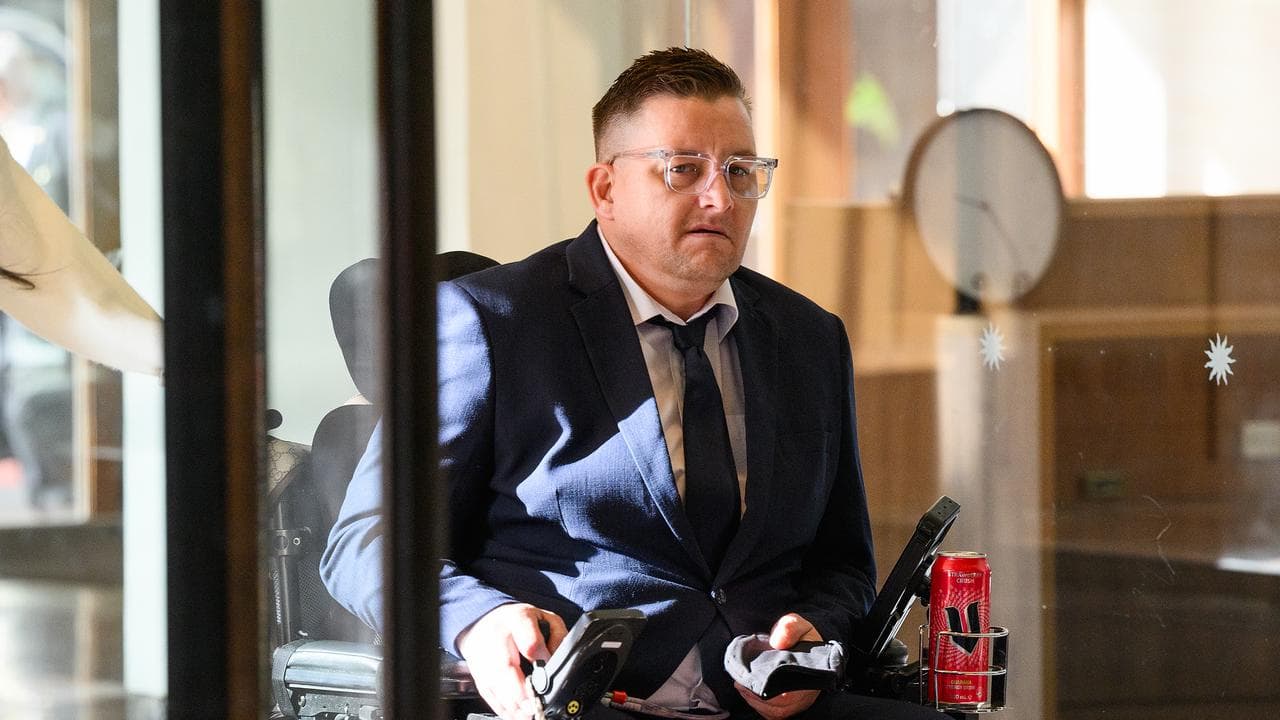
A conviction for murder in the NSW legal system requires a high burden of proof—the prosecution must demonstrate beyond a reasonable doubt that the accused intended to kill or inflict grievous bodily harm. The jury, after deliberating on the evidence, concluded that the culpability lay with McLeod. This verdict marks the end of a long and painful process for the surviving family, who have had to endure the public scrutiny of a high-profile criminal trial while grieving an unimaginable loss.
The Psychological & Sociological Perspective
When we analyze cases of such extreme violence, observers often seek to understand the “why.” What drives an individual to turn their aggression toward a child, particularly one under the care of a partner?
From a psychological standpoint, experts often point to a combination of impulsive aggression, a lack of emotional regulation, and, in some cases, the influence of external stressors. However, as we have discussed in previous contexts regarding the relationship between discipline, environment, and deviant behavior, the breakdown of inhibitory control is rarely an isolated incident. The commission of such a crime represents a profound collapse of the human conscience.
Furthermore, this case has reignited community discussions about domestic vigilance. While no amount of surveillance can entirely prevent the actions of a determined offender, the case highlights the extreme vulnerability of those living in households where trust is misplaced.
Impact on the Community and Legal Precedent
The murder of a child does not only affect the immediate family; it ripples through the community. The Coffs Harbour region has been left to grapple with the aftermath of a crime that felt particularly invasive because it occurred within the supposed sanctity of a family home.
Legal experts note that this case serves as a stark reminder of the gravity with which the NSW Supreme Court treats crimes against children. Sentencing hearings will follow, where the court will weigh the aggravating factors—the age of the victim, the breach of trust, and the nature of the act—against any potential mitigating factors. The sentence delivered will send a strong message regarding the state’s stance on child protection.
Frequently Asked Questions (FAQ)
What is the legal status of the case now?
Aaron John McLeod has been found guilty of murder by a jury in the NSW Supreme Court. He is now awaiting sentencing.
Why are the names of the mother and child withheld?
Under New South Wales law, there are strict non-publication orders in place to protect the privacy and mental health of the surviving parent and to honor the dignity of the deceased child.
What is the maximum penalty for murder in NSW?
In New South Wales, the maximum penalty for murder is life imprisonment. The court will determine the specific sentence based on the circumstances of the crime and the offender’s background.
How can the community support victims of similar tragedies?
Support services such as Victims Services NSW offer counseling, financial assistance, and guidance for families impacted by violent crimes. Engaging with local community support groups can also help in navigating the long-term grieving process.
Is there a chance he avoids prison?
No. There is no realistic prospect of avoiding prison for a murder conviction in NSW. Murder is classified as the most serious criminal offence under the Crimes Act 1900 (NSW), and the law does not provide for non-custodial sentences (such as fines or good behaviour bonds) for this crime.
What is the most likely jail sentence?
While the maximum penalty for murder in NSW is life imprisonment, the actual sentence is determined by a judge based on the “objective seriousness” of the crime and specific aggravating or mitigating factors.
-
Standard Non-Parole Period: In NSW, the “standard non-parole period” serves as a guidepost for judges. For “ordinary” murders, this period is 20 years. However, when the victim is a child, the standard non-parole period is increased to 25 years.
-
Life Imprisonment: A sentence of life imprisonment without parole is reserved for the “worst” category of cases—where the judge is satisfied that the level of culpability is so extreme that community interest in punishment and deterrence can only be met by such a sentence. Given that this case involved the murder of a toddler—a highly aggravating factor—the court will weigh this heavily.
-
The Sentencing Process: The judge will now consider:
-
Aggravating Factors: The age of the victim (a toddler), the breach of trust involved, and any evidence of premeditation or extreme violence.
-
Mitigating Factors: These are subjective factors about the offender, such as their criminal history, mental state at the time of the offence, and any demonstrated remorse or potential for rehabilitation. However, mitigating factors rarely lead to a significant reduction in cases involving the murder of a child.
-
In summary: While a life sentence is possible given the nature of the crime, the most likely outcome is a very long term of imprisonment with a non-parole period of at least 25 years. This means he will serve at least that duration in custody before he can even be considered for release on parole. If the judge determines the crime falls into the “worst” category of cases, he could be sentenced to life imprisonment without the possibility of parole.
Final Thoughts
The conviction of Aaron John McLeod brings a measure of legal closure, though it can never offer true reconciliation for the life that was lost. The tragedy in Coffs Harbour serves as a somber reflection on the importance of community awareness and the necessity of maintaining rigorous standards of justice.
As we look at the intersection of societal safety and individual behavior, it is imperative that we continue to support systems that prioritize the protection of children. Justice has been served in the courtroom, but the memory of the victim reminds us that the responsibility to watch over the vulnerable is one shared by every member of society.
If you or someone you know is affected by family or domestic violence, support is available. Call 1800 RESPECT (1800 737 732) for confidential information, counseling, and support 24 hours a day.
Do you feel that cases like this require a shift in how we handle domestic risk assessments, or is the current legal system sufficiently robust in how it handles these tragedies?
The conviction of Aaron John McLeod also invites a sobering comparison to other high-profile cases involving the fatal abuse of children by those tasked with their protection, such as the case of Lee Vernon in the UK. Vernon, who was jailed for murdering his six-week-old son in Broadstairs, similarly committed an act of inexplicable violence against a defenseless infant within the domestic sphere. These cases, occurring in different jurisdictions, share a chilling commonality: the catastrophic breach of the fundamental duty of care that parents and partners owe to children. When we examine these tragedies alongside the Coffs Harbour case, it becomes clear that these incidents are not isolated anomalies, but part of a broader, systemic issue of domestic violence that transcends geography. Both Vernon and McLeod’s actions serve as devastating reminders of the fragility of life and the immense power dynamics at play within the home, highlighting the absolute necessity for the legal system to impose the harshest possible penalties to reflect the gravity of such irreparable harm.

