

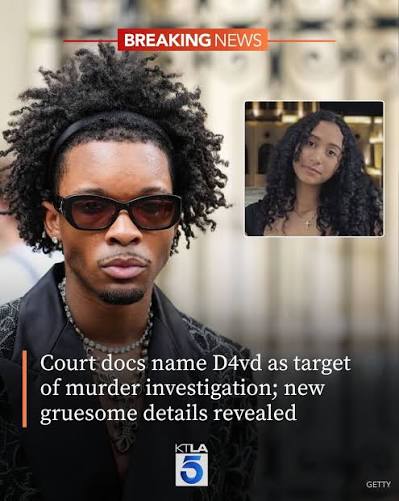
D4vd murder case evidence
The music industry is currently gripped by a harrowing legal proceeding as prosecutors in Los Angeles present a grim array of evidence against indie-pop singer David Anthony Burke, professionally known as D4vd. The 21-year-old musician stands accused of the first-degree murder, mutilation, and sexual abuse of 14-year-old Celeste Rivas Hernandez, a case that has shocked the public due to its alleged motive and the gruesome nature of the crime.
A Staging of Horrific Details
The ongoing preliminary hearing serves as a critical juncture, intended to determine if there is sufficient evidence to bring the singer to a full jury trial. On Tuesday, the proceedings took a dark turn as Deputy District Attorney Beth Silverman and other officials detailed the state’s allegations.
Prosecutors claim that Burke, then 18, began a sexual relationship with Hernandez when she was 13. The state alleges that in April 2025, after Hernandez threatened to expose the relationship and potentially derail his ascending music career, Burke arranged for her to be brought to his Hollywood Hills home. According to court filings, he allegedly stabbed her to death shortly after her arrival.
The most disturbing evidence presented involves the aftermath of the killing. Investigators testified that Burke went to extreme lengths to conceal the crime, allegedly purchasing chainsaws, a body bag, and a blue inflatable pool under a fictitious name. The state contends that he used these items to dismember Hernandez’s body in his garage before placing the remains in bags and storing them in the front trunk of his Tesla. The body was discovered in September 2025 after the abandoned vehicle was towed and workers noticed the odor of decay.
Defense and Denials
In response to the prosecution’s presentation, Burke’s legal team, led by attorney Blair Berk, has maintained his innocence. During the hearing, the defense pressed investigators on the handling of evidence, questioning the forensic links between the defendant and the scene. They have consistently denied the allegations, stating that the evidence will ultimately show that Burke did not cause the victim’s death. Burke has entered a plea of not guilty to all felony counts, including first-degree murder with special circumstances—specifically lying in wait, financial gain, and the murder of a witness.
The Broader Context of the Investigation
The case against the viral singer, known for hits like “Romantic Homicide,” has drawn massive media attention. The transition from his rapid rise to prominence—performing at events like Coachella—to facing potential life imprisonment or the death penalty has left many questioning how such a trajectory could unfold.
Prosecutors have pointed to digital evidence, including text messages, to support their claim that the relationship was exploitative and that the motive for the murder was the preservation of his image and financial status. As the hearing continues, the court is expected to review more witness testimonies and forensic reports over several days.
Frequently Asked Questions
1. What are the specific charges against D4vd? David Anthony Burke is charged with first-degree murder with special circumstances, continuous sexual abuse of a child under the age of 14, and unlawful mutilation of human remains.
2. What is the alleged motive for the murder? Prosecutors allege that Burke killed Celeste Rivas Hernandez to silence her after she threatened to expose their relationship, which they claim would have ruined his burgeoning music career and caused significant financial loss.
3. When was the victim’s body discovered? The remains of Celeste Rivas Hernandez were discovered on September 8, 2025, inside the front trunk of a Tesla registered to Burke at a Hollywood tow yard.
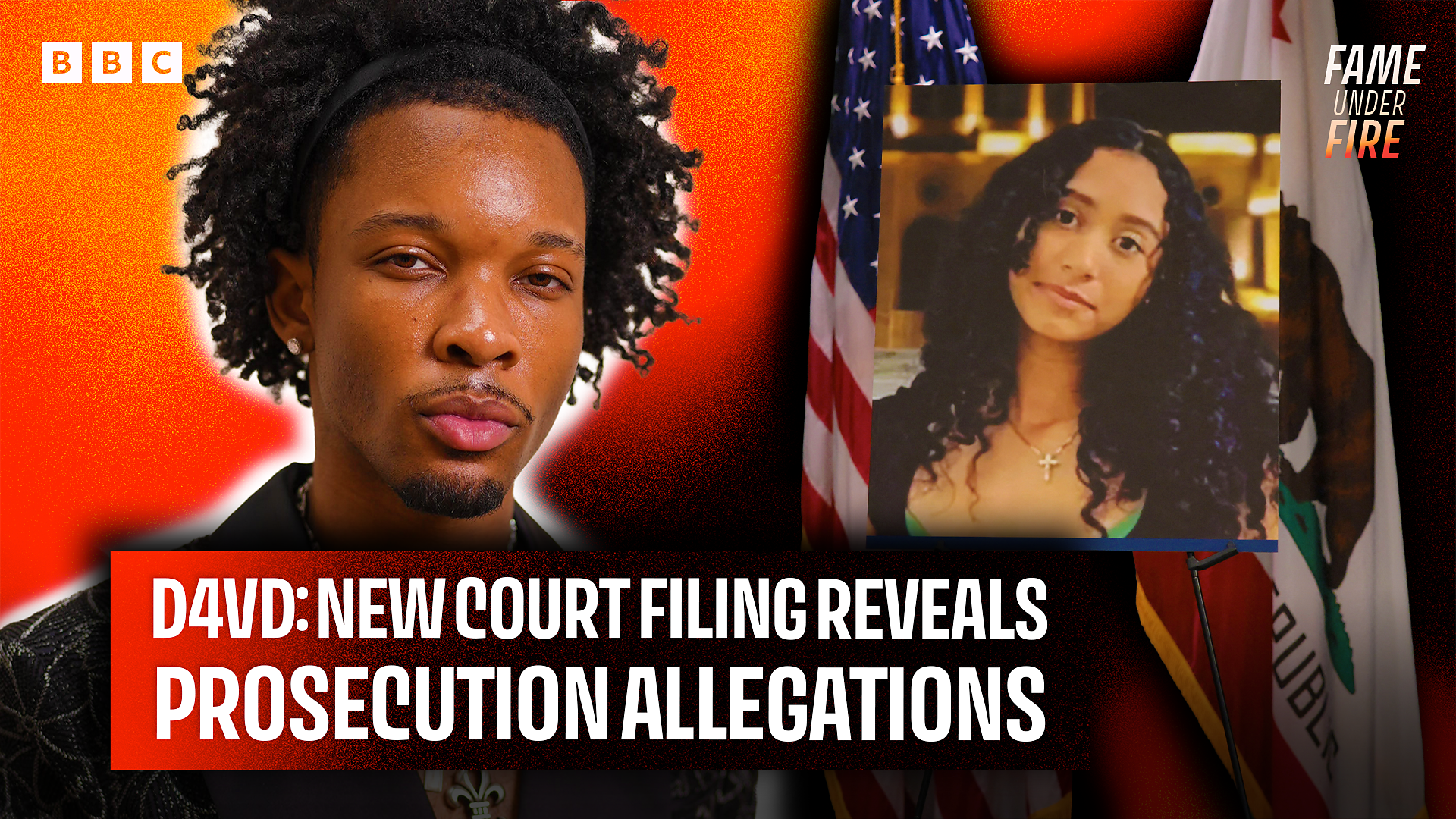
4. What is the purpose of the current hearing? This is a preliminary hearing. Its goal is not to reach a verdict, but to determine if there is enough probable cause to proceed to a full criminal trial.
Editor’s Opinion
The allegations against David Burke represent a profoundly tragic case of exploitation and extreme violence. While the legal system must ensure the defendant receives a fair process, the testimony emerging from the preliminary hearing paints a horrifying picture of a young life cut short. Regardless of the outcome of the trial, this case will undoubtedly stand as a sobering reminder of the dangers of unchecked power dynamics and the devastating potential for tragedy when personal accountability is abandoned.
The legal team’s strategy in the D4vd murder case evidence presentation has leaned heavily on modern forensic technology, a focus captured in the recent analysis, Data, Death, and the Digital Artist: Inside the High-Tech Prosecution of David Burke. This investigation highlights how prosecutors are leveraging a treasure trove of digital footprints—ranging from GPS tracking logs and encrypted messaging metadata to the forensic recovery of deleted purchase histories for the tools used in the dismemberment. The prosecution is essentially building a “digital map” of Burke’s actions, aiming to prove that his calculated attempts to scrub his tracks were ultimately no match for the trail of electronic evidence left behind. This synthesis of traditional detective work and cutting-edge data forensics underscores the evolving nature of capital cases in the digital age, where every click and transaction provides a potential roadmap to the truth.

 as prosecutors present graphic evidence regarding the murder and dismemberment of 14-year-old Celeste Rivas Hernandez.)