

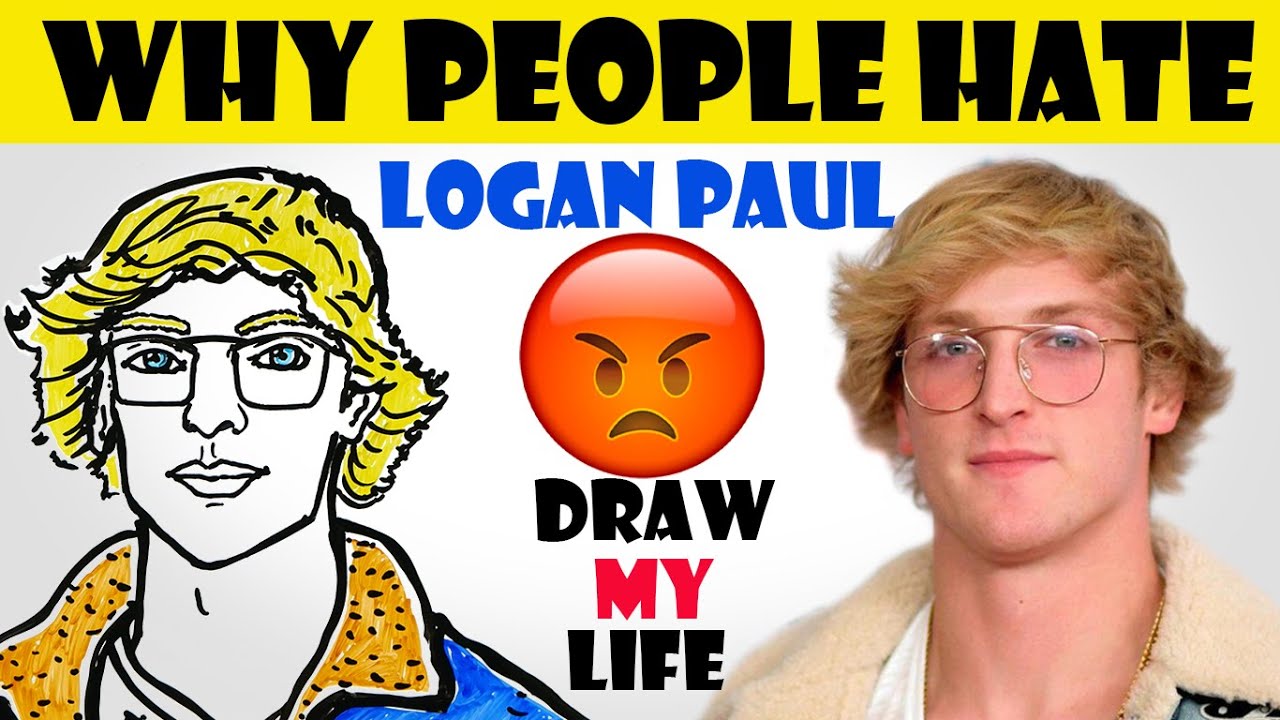
The 2018 “Suicide Forest” incident involving content creator Logan Paul remains one of the most significant case studies in the history of social media. Beyond the immediate controversy, the event served as a catalyst for a global conversation regarding “Creator Ethics,” the responsibilities of platforms toward their audiences, and the psychological toll of the “Viral Loop.” This analysis explores the rise of Logan Paul, the mechanics of the scandal, and the long-term shifts it triggered in digital culture.
The Architecture of a Digital Empire: The Rise of Logan Paul
To understand the magnitude of the 2018 fallout, one must analyze the foundation of Logan Paul’s influence. Born in 1995, Paul first found success on the short-form video app Vine. His content—characterized by high-energy stunts, physical comedy, and a “brash” persona—was tailor-made for the algorithmically driven attention economy.
By the time Vine folded, Paul had successfully transitioned his audience to YouTube, amassing a following of over 15 million “Logang” members by late 2017. His brand, Maverick, was more than just merchandise; it was a lifestyle of non-conformity. However, this relentless pursuit of the “next big stunt” created an escalating threshold for shock value—a phenomenon psychologists refer to as “Hedonic Adaptation” in digital attention. Paul wasn’t just a creator; he was the CEO of a multi-million dollar attention machine that demanded constant feeding.
The Aokigahara Controversy: Anatomy of a Moral Crisis
On December 31, 2017, Paul uploaded a vlog titled “We found a dead body in the Japanese Suicide Forest.” The video documented Paul and his crew discovering the body of a suicide victim in Aokigahara, a forest at the base of Mount Fuji.
Ethical Failures and the “Coping Mechanism” Defense
The primary criticism centered not just on the discovery of the body, but on the decision to continue filming, the choice to use the image as a thumbnail, and the tone of the video. While Paul later argued that his laughter and jokes were a “coping mechanism” for shock, ethical critics pointed to the deliberate nature of the editing process. A YouTube video is not a live stream; it requires hours of post-production. The decision to edit, render, and upload the footage represented a sustained failure of judgment rather than a momentary lapse.
The Global Backlash and Institutional Response
The response was swift and unprecedented. Unlike previous minor controversies, this event crossed cultural and geopolitical lines.
- Celebrity Condemnation: Figures such as Aaron Paul and Sophie Turner publicly denounced the video, bringing the scandal to mainstream media attention.
- Political Pressure: Politicians in both Japan and the U.S. criticized the lack of respect for the victim and the host country’s culture.
- Corporate Sanctions: YouTube took the rare step of removing Paul from its “Google Preferred” ad program and shelving his YouTube Red projects. This marked a turning point where platforms began to hold individual creators financially accountable for their “off-platform” impact.
The “So Sorry” Era: Analyzing the Public Apology
On January 2, 2018, Paul released a video titled “So Sorry.” In the world of crisis management, this video is frequently analyzed for its structure and delivery. Eschewing the high-production value of his typical vlogs, Paul appeared in a grey hoodie, speaking directly to the camera without music or jump-cuts.
“I’ve made a severe and continuous lapse in my judgment, and I don’t expect to be forgiven… I should have never posted the video. I should have put the cameras down and stopped recording.”
While some viewed the apology as a necessary first step, others criticized it as “performative contrition,” designed to save his brand rather than reflect true remorse. This skepticism is common in digital culture, where the line between “sincere apology” and “brand damage control” is often blurred.
From Infamy to Advocacy: The Pivot to Suicide Prevention
Less than a month later, Paul released “Suicide: Be Here Tomorrow,” a documentary-style video aimed at education and advocacy. He pledged $1 million to suicide prevention organizations and interviewed experts like Dr. John Draper and survivor Kevin Hines.
The Five Steps of Prevention
In the video, Dr. Draper outlined five critical steps for supporting those in crisis, which have since become a staple of Paul’s advocacy efforts:
- Ask: Direct questions can save lives.
- Listen: Provide a non-judgmental presence.
- Be There: Physical and emotional dependability is vital.
- Connect: Help the individual find professional resources.
- Check-In: Follow up to demonstrate ongoing care.
This pivot was a masterclass in “Redemption Marketing.” By aligning himself with established experts, Paul began the long process of rehabilitating his image from a “reckless YouTuber” to a “maturing entrepreneur.”
Case Commentary: The Legacy of the Scandal
The Logan Paul scandal was a “wake-up call” for the creator economy. It forced YouTube to overhaul its “Preferred” ad tier and implement stricter community guidelines regarding graphic content. From a sociological perspective, the incident highlights the “God Complex” that can develop when young creators are given massive influence without the traditional gatekeepers of legacy media.
Was Logan Paul truly “canceled”? His subsequent success in professional wrestling (WWE), boxing, and his business venture Prime suggests that in the digital age, “attention” is a more powerful currency than “reputation.” However, the Aokigahara incident remains an indelible mark on his legacy, serving as a permanent warning about the dangers of the viral incentive structure.
The central question for the modern audience remains: In an era of “cancel culture,” is there a limit to redemption? Or does the sheer volume of new content eventually bury even the most significant moral failures?
Legal Disclaimer and Resources
The information provided in this article is for educational and analytical purposes only. The events discussed are a matter of public record and are intended to provide insight into media ethics and digital culture. If you or someone you know is struggling with mental health or suicidal thoughts, please reach out to a professional service. In the U.S., you can call or text 988 to reach the Suicide & Crisis Lifeline, available 24/7.

