


The case of Dr. Gerhardt Konig, a prominent Hawaii-based anesthesiologist, serves as a harrowing case study in the intersection of professional high-achievement and psychological volatility. On March 24, 2025, Konig—a man who had reached the pinnacle of medical and financial success—allegedly attempted to murder his wife, Arielle Konig, during a birthday hike on the Pali Puka Trail. This analysis explores the legal mechanics of the prosecution’s case, the specific motives involving “Divorce Economics,” and the forensic evidence that suggests a multi-layered premeditated plot.
The Professional Profile: The Myth of the “Perfect Life”
To contextualize the crime, one must first look at the “Physical and Financial Capital” involved. Dr. Konig, age 47, represented the upper echelon of the American medical establishment. With an estimated annual income exceeding $400,000 and a luxury real estate portfolio, Konig occupied a social strata where “losing it all” is often perceived as a fate worse than incarceration.
His wife, Arielle, a nuclear engineer, shared this high-status background. From the outside, the couple represented a “power dynamic” of intellectual and financial elite. However, forensic investigators often point to these high-pressure environments as breeding grounds for “Status Anxiety,” where the threat of a public divorce can trigger a catastrophic loss of rational decision-making.
The Pali Puka Incident: Premeditation and the “Plan B” Fallacy
The prosecution’s case for Second-Degree Attempted Murder hinges on the concept of premeditation. Under Hawaii law, proving intent is critical, and the location of the incident—the Pali Puka Trail—is central to this argument.
Tactical Site Selection
The Pali Puka Trail is notorious for its steep, narrow ridges and sheer cliff drops. According to police reports, Konig bypassed multiple “No Entry” and “Hazardous Area” signs to position his wife at a specific precipice under the guise of taking a birthday selfie. In legal terms, choosing a location that provides a “natural” explanation for a fatal fall is a hallmark of calculated intent.
The Fail-Safe Strategy: Syringes and Lava Rocks
When the initial attempt to push Arielle off the cliff failed, the prosecution alleges Konig transitioned to a secondary and tertiary plan:
- Chemical Intervention: Konig reportedly produced a syringe containing an unidentified substance. For an anesthesiologist, a syringe is a tool of professional mastery, but in this context, it represents the weaponization of medical knowledge.
- Blunt Force Trauma: After Arielle successfully parried the needle, Konig allegedly used a lava rock to strike her head over ten times.
Analytical Insight: The transition from a “staged accident” (the push) to “chemical assault” (the syringe) to “brutal violence” (the rock) suggests a desperate, high-adrenaline failure of the original plan. This “cascading intent” makes the defense’s argument of “self-defense” or “heat of passion” difficult to maintain in a court of law.
The Economic Motive: Divorce vs. Deceit
Why would a man with a $500,000 salary risk a life sentence? The answer, according to prosecutors, lies in the Economics of Divorce. Digital forensic evidence revealed that in the months leading up to the attack, Dr. Konig had been meticulously researching his wife’s personal finances and the potential costs of a second divorce. Having already navigated a previous divorce, Konig was acutely aware of the “Wealth Erosion” that occurs during asset division.
The “Emotional Affair” Catalyst
The investigation also uncovered evidence of an “emotional affair” between Arielle and a colleague, involving coded messages. For a high-achieving individual like Konig, the combination of marital betrayal and the financial prospect of losing half his net worth likely created a “sunk cost” mentality. He reportedly viewed the murder of his wife not as a crime, but as a “financial preservation strategy.”
Legal Standing: Charges and Potential Sentencing
Dr. Gerhardt Konig currently faces a charge of Second-Degree Attempted Murder. In the state of Hawaii, this is a Class A felony.
- The Sentence: A conviction typically carries a mandatory sentence of life imprisonment with the possibility of parole.
- Bail Status: Due to his significant liquid assets and international travel history, Konig was deemed a high flight risk and denied bail. He is currently held at the Oahu Community Correctional Center (OCCC).
The defense maintains that the incident was a spontaneous physical altercation that escalated, but the presence of a pre-filled syringe—a tool not typically carried on a casual hike—remains the “smoking gun” for the prosecution’s premeditation narrative.
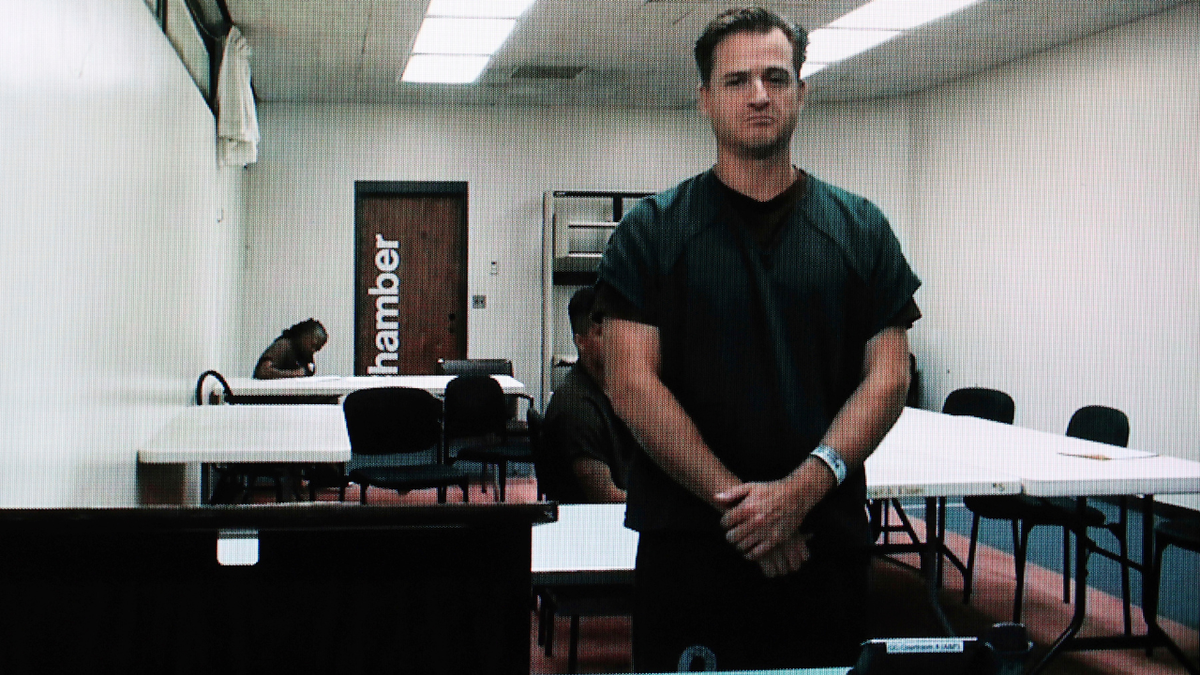
Case Commentary: The Fragility of Elite Status
The Konig case is a sobering reminder that academic and financial success are not shields against psychological collapse. It exposes the “Dark Side” of high-achievement, where the fear of losing status leads to the ultimate destruction of that very status. As the trial proceeds, it will likely become a landmark case in how “unexplained wealth” and “professional tools” are used to establish criminal intent in high-net-worth domestic violence cases.
FAQ: The Dr. Gerhardt Konig Case
What is Dr. Gerhardt Konig’s current status? Dr. Konig is currently incarcerated at the Oahu Community Correctional Center awaiting trial. He has been denied bail due to his status as a flight risk.
What is the maximum penalty for his charges? In Hawaii, second-degree attempted murder carries a mandatory sentence of life in prison with the possibility of parole.
Was the syringe ever recovered? Yes, forensic teams recovered the syringe and the lava rock from the scene. The contents of the syringe are currently undergoing toxicological analysis to determine if the substance was a medical-grade sedative or a lethal dose of an anesthetic.
What was the motive behind the attack? Prosecutors allege the motive was a combination of anger over a suspected emotional affair and a desire to avoid the financial devastation of a second high-asset divorce.
Legal Disclaimer and Resources
The individuals mentioned in this report are presumed innocent until proven guilty in a court of law. This article is for informational and analytical purposes only, based on public court filings and police reports from the Honolulu Police Department. If you or someone you know is experiencing domestic violence, please contact the National Domestic Violence Hotline at 800-799-7233 or text “START” to 88788.

