


As of 2025, international travel has seen a definitive resurgence, with global arrivals exceeding 1.52 billion. This recovery is not merely a return to pre-pandemic norms but a shift toward “Intentional Travel”—where tourists prioritize cultural immersion, wellness, and unique geographical landscapes. Based on current data from UN Tourism (UNWTO), we have conducted a forensic analysis of the top-performing destinations, evaluating the infrastructure and socio-economic factors that maintain their positions as global leaders.
1. France: The Architecture of Sustained Dominance
France continues its three-decade reign as the world’s primary tourist destination. Its success is rooted in a multi-modal tourism strategy that balances the “Urban Magnetism” of Paris with high-yield regional sectors.
- Economic Drivers: France excels in “Niche Diversification,” ranging from the high-altitude luxury of the French Alps to the agrarian allure of wine tourism in Bordeaux.
- Infrastructure: The Louvre and the Eiffel Tower remain cornerstone assets, but France’s investment in high-speed rail (TGV) allows for seamless transit, increasing the “Duration of Stay” and “Spend per Visitor.”

2. Spain: The Cultural and Experiential Hub (94 Million Visitors)
Spain’s second-place ranking is fueled by its mastery of the “Social Dining” and “Event Tourism” markets.
- The Sporting Catalyst: Global football franchises like Barcelona and Real Madrid act as significant “soft power” drivers, attracting millions of visitors for match-day experiences.
- Geography: The Balearic and Canary Islands provide a year-round Mediterranean appeal that serves as a hedge against seasonal tourism dips.
3. United States: The Power of Diversity and Consumption (73 Million Visitors)
The U.S. remains a powerhouse due to its sheer scale and the “Supersized” nature of its service industry.
- Urban vs. Natural: The U.S. offers a unique duality; the high-octane “Nightlife Economy” of Las Vegas and New York contrasts with the protected natural majesty of the Grand Canyon and Yellowstone National Park.
- Market Strength: The U.S. thrives on domestic and international cross-pollination, where infrastructure like the MGM Grand and iconic landmarks create a perpetual cycle of demand.

4. Turkey: The Transcontinental Bridge (64 Million Visitors)
Turkey (Türkiye) has emerged as a critical hub connecting the East and the West. Istanbul serves as the primary gateway, offering a blend of Byzantine and Ottoman history that is physically unique among global cities.
- Growth Factor: Investment in modern aviation infrastructure and a competitive currency exchange rate have made Turkey a preferred destination for European and Middle Eastern markets alike.
5. Italy: The Heritage Monopoly (64 Million Visitors)
Italy possesses more UNESCO World Heritage Sites than any other nation, creating a “Heritage Monopoly” that is immune to trends.
- The “Big Three” Strategy: Rome, Venice, and Florence maintain high-density tourism, but Italy is increasingly pushing “Slow Travel” in rural Tuscany to mitigate over-tourism while maintaining the high-margin “Art and Gastronomy” sector.
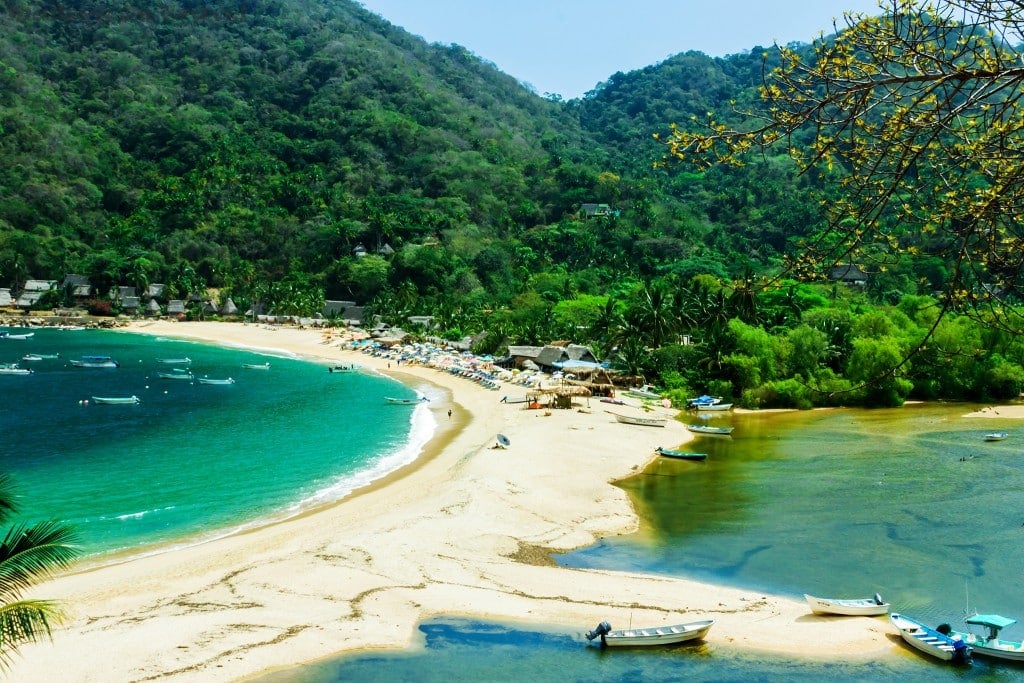
6. Mexico: The Resort and Tradition Intersection (45 Million Visitors)
Mexico’s 6th-place position is a result of its dual-coast strategy. By offering world-class luxury resorts on both the Pacific and Caribbean coasts, Mexico captures the North American “Escape” market.
- Cultural Integration: Beyond the beaches, the preservation of indigenous traditions and colonial architecture provides a depth of experience that competing Caribbean nations struggle to match.
7. United Kingdom: The Heritage and Luxury Market (41 Million Visitors)
The UK’s tourism value is heavily concentrated in its “Royal History” and “Creative Industries.” London’s West End Theatre district and world-renowned museums act as significant intellectual draws.
- Regional Appeal: Scotland’s Highlands have seen a surge in “Eco-Tourism” and hiking, diversifying the UK’s portfolio away from purely urban-centric travel.
8. Germany: The Infrastructure Excellence (38 Million Visitors)
Germany’s tourism model is built on efficiency and “Special Interest” travel.
- Seasonal Peak: Events like Oktoberfest and the Christmas Markets create predictable, high-volume revenue streams.
- Activity Tourism: The combination of Neuschwanstein Castle and the Bavarian Alps attracts a high-spending demographic focused on history and alpine sports.
9. Thailand: The Wellness and Value Frontier (38 Million Visitors)
Thailand has successfully rebranded from a “Backpacker Hub” to a “Wellness and Spa Destination.”
- Island Hopping Economy: Phuket, Koh Samui, and Krabi utilize “Island Hopping” logistics to keep tourists within the local ecosystem for longer durations.
- Service Quality: Thailand’s competitive advantage remains its high standard of hospitality and wellness services at a lower price point than Western competitors.
10. Japan: The Fast-Rising “Affordability” Giant (34 Million Visitors)
Japan is currently the fastest-growing destination in the top 10, largely due to a favorable yen exchange rate making it more accessible than ever before.
- The Sub-Culture Draw: Districts like Akihabara (Anime/Gaming) and the development of Super Nintendo World have created a “Fandom Tourism” sector that is highly resilient.
- Urban Aesthetics: The neon-lit streets of Tokyo provide a “Futuristic” aesthetic that dominates social media travel trends.

Case Commentary: The Shift to “Digital Nomad” Infrastructure
A significant trend observed in 2025 is the adaptation of these countries to the “Digital Nomad” demographic. Countries like Spain, Mexico, and Thailand have implemented specific visa programs to encourage long-term stays. This shift moves tourism from a “Single-Spend” model to a “Resident-Consumer” model, significantly boosting local economies without the strain of high-turnover peak seasons.
FAQ: Global Tourism Statistics 2025
Which country is the most visited in the world? France consistently holds the title of the world’s most visited country, benefiting from its central European location and a diverse range of cultural and natural attractions.
Why is Japan’s tourism growing so quickly? Japan’s growth is attributed to a combination of increased accessibility, a favorable exchange rate for international travelers, and its status as a global leader in “Pop-Culture” and “Gastronomy” tourism.
How does UN Tourism (UNWTO) calculate these rankings? Rankings are primarily based on international overnight arrivals. This counts visitors who stay at least one night in a collective or private accommodation in the destination country.
What is the “Sustainable Tourism” trend? Many top destinations, particularly Italy and Germany, are implementing “Sustainable Tourism” initiatives to manage visitor flow and protect historical sites from the physical impacts of high-volume foot traffic.
Legal Disclaimer
The information provided in this report is based on global tourism statistics and market analysis available as of 2025. Travel conditions, visa requirements, and safety protocols can change rapidly. This article is intended for informational and analytical purposes and does not constitute official travel advice. Travelers are encouraged to check official government resources before booking international trips.

 data. Explore the intersection of cultural heritage, luxury infrastructure, and emerging travel trends in 2025.)