

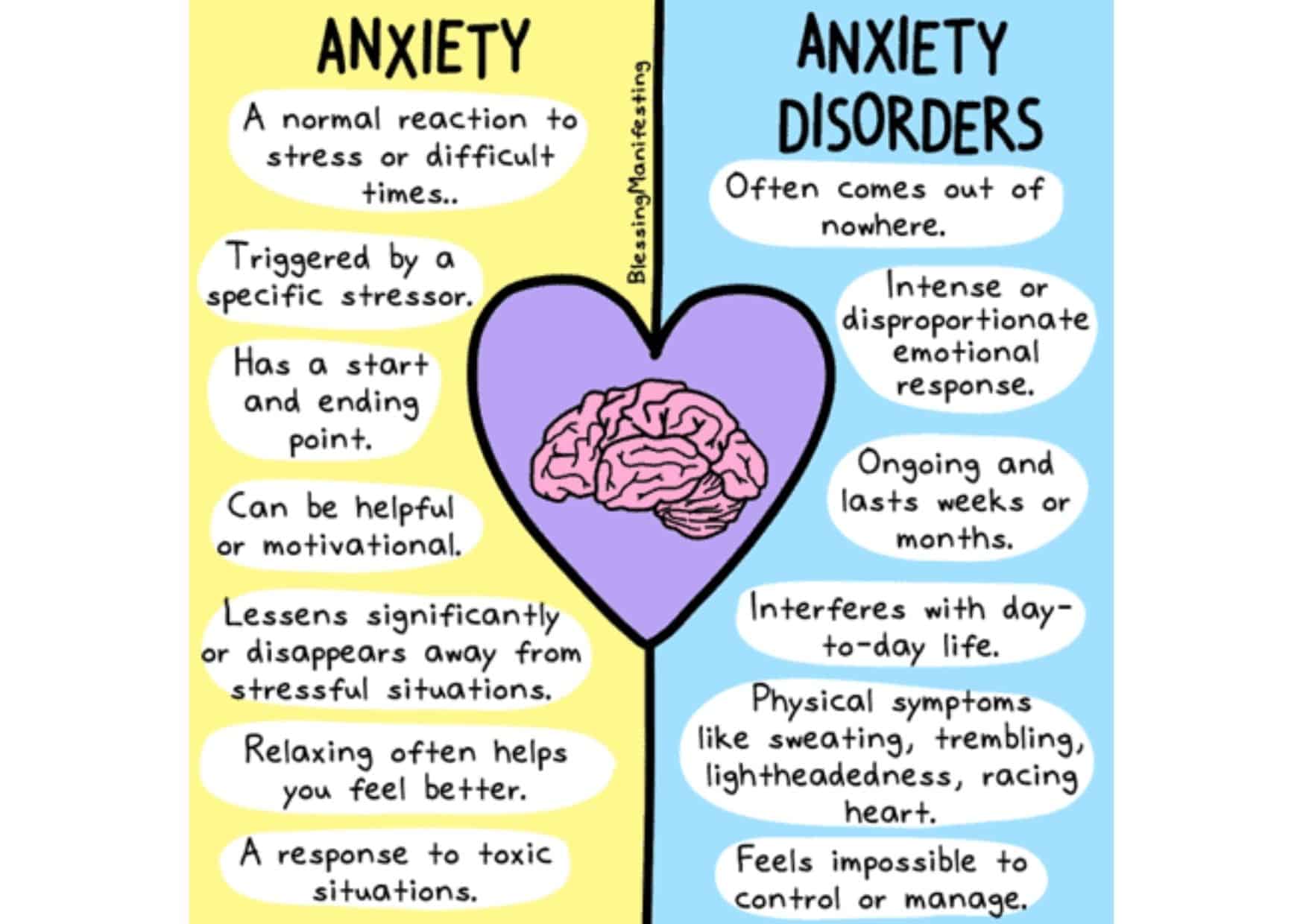
While the aesthetic and cardiovascular benefits of exercise are well-documented, a growing body of research in neuropsychiatry highlights physical activity as a potent intervention for Generalized Anxiety Disorder (GAD) and Obsessive-Compulsive intrusive patterns. Unlike passive treatments, exercise engages the brain’s executive functions and neurochemical pathways to create a “bottom-up” regulation of the nervous system.
This analysis explores the specific mechanisms—from Brain-Derived Neurotrophic Factor (BDNF) to proprioceptive cognitive shifts—that make movement a foundational pillar of psychological longevity.
1. The Chemical Architecture: Beyond “Feel-Good” Hormones
To understand the efficacy of exercise, one must look at the synergistic relationship between neurotransmitters and the endocrine system.
The Primary Neurochemical Drivers
| Neurotransmitter | Primary Function in Mental Health | Impact on Anxiety |
| Serotonin | Mood stabilizer and sleep regulator. | Reduces the “hyper-vigilance” associated with anxiety. |
| Dopamine | Reward-motivation and cognitive focus. | Combats the anhedonia (lack of interest) often seen in depression. |
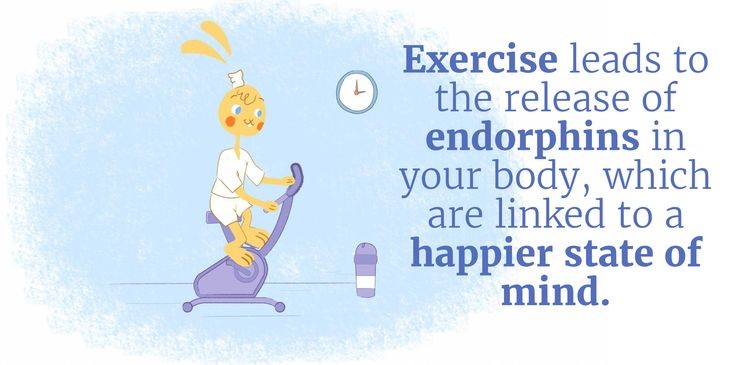
| Endorphins | Natural analgesics (pain-killers). | Provides the “post-workout glow” that blunts emotional pain. |
| Endocannabinoids | Regulation of fear and stress responses. | Responsible for the “Runner’s High” and immediate stress reduction. |
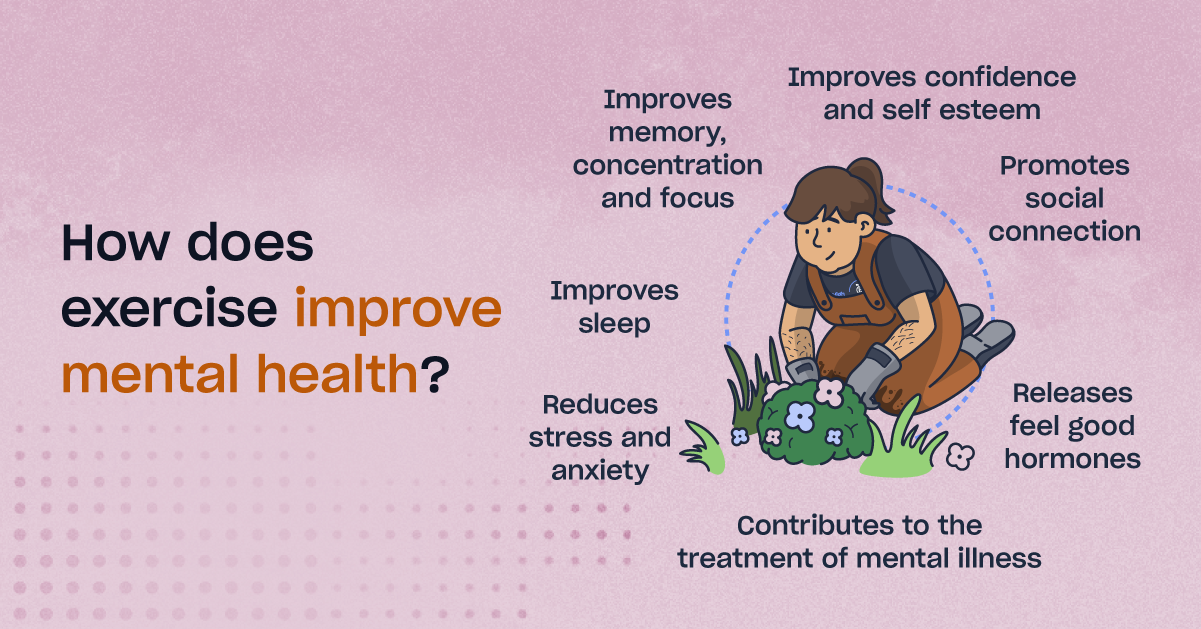
Beyond these, the release of BDNF (Brain-Derived Neurotrophic Factor) acts as “fertilizer” for the brain. BDNF supports neurogenesis—the creation of new neurons—particularly in the hippocampus, the area of the brain responsible for emotional regulation and memory. High-intensity training helps repair the neural pathways that are often damaged by chronic cortisol (stress hormone) exposure.
2. The Mechanics of Cognitive Load Shifting
One of the most profound impacts of exercise on intrusive thoughts is the “Cognitive Load Shift.” Intrusive thoughts thrive in the “Default Mode Network” (DMN) of the brain—the state where the mind wanders and ruminates on past or future anxieties.
When performing a high-complexity movement, such as a 180kg Deadlift or a technical Brazilian Jiu-Jitsu transition, the brain must shift resources from the DMN to the Prefrontal Cortex and the Motor Cortex. This is due to proprioception—the body’s ability to sense its position in space.
Technical Analysis: High-intensity exercise creates a “bandwidth bottleneck.” Because the brain is preoccupied with stabilizing a heavy load or managing explosive oxygen intake, it literally lacks the computational capacity to maintain a complex intrusive thought loop. This provides an immediate, forced “meditative state” that silences the internal monologue.
3. Regulation of the Autonomic Nervous System (ANS)
Anxiety is frequently characterized by a “stuck” Sympathetic Nervous System (SNS), commonly known as the “Fight or Flight” response. In this state, the body signals impending doom despite the absence of a physical threat, leading to tachycardia (rapid heart rate) and shallow breathing.
Intense exercise allows the body to complete the “stress cycle.” By providing a safe, controlled outlet for the physical energy of the fight-or-flight response, exercise trains the body to return to the Parasympathetic Nervous System (PNS) state—the “Rest and Digest” mode—more efficiently. Over time, this improves Heart Rate Variability (HRV), a key biometric indicator of stress resilience.
4. Strategic Training Modalities for Mental Clarity
Not all exercise is created equal when addressing acute intrusive thoughts. The following modalities are ranked by their ability to force mental presence:
A. High-Intensity Interval Training (HIIT)
While a slow jog allows the mind to ruminate, the physiological demands of a 30-second maximum-effort sprint force a primitive focus on respiration. The sheer metabolic demand creates a “mental reset” that persists for hours post-session.
B. Compound Resistance Training
Exercises like the Barbell Squat or Military Press require a high “Mind-Muscle Connection.” The necessity of maintaining spinal alignment and bracing the core acts as a form of Moving Meditation.
C. Skill-Based Intensity (Martial Arts)
Martial arts like Muay Thai or Judo shift the focus from internal distress to external stimuli. The requirement to react to a training partner’s movements disrupts the self-referential thought patterns typical of anxiety disorders.
5. Editor’s Strategic Analysis: The “Post-Exercise Window”
The peak therapeutic benefit of exercise typically occurs 30 to 60 minutes after the session. During this window, the initial cortisol spike from the workout drops, and the brain is flooded with GABA (an inhibitory neurotransmitter that calms the nervous system).
For those using exercise as a clinical tool, the goal should not be “perfection” but consistency. Evidence suggests that it takes approximately 8 to 12 weeks of regular resistance and cardiovascular training to see structural changes in the brain’s ability to manage anxiety.
Public Health Resource: Integrating Support
While exercise is a powerful biological tool, it should be part of a multi-modal approach to mental health:
-
Professional Consultation: Always consult with a GP or Psychiatrist to discuss how exercise fits into your specific treatment plan, especially if you are on medication.
-
Therapeutic Synergy: Cognitive Behavioral Therapy (CBT) and exercise have been shown to be more effective together than either treatment alone.
-
Community and Connection: Group fitness or partner-based training can help alleviate the isolation often caused by depression and anxiety.

