

In the 21st century, a dramatic reversal has occurred in the historic relationship between socioeconomic status and body composition. For centuries, carrying extra weight was a visible indicator of prosperity—a sign that an individual possessed the resources to consume surplus calories while avoiding manual labor.
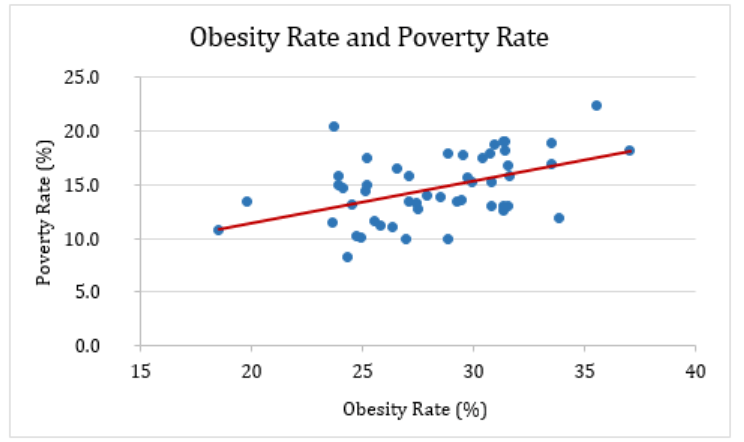
Today, in developed nations, this trend has inverted. “Lean-muscle mass” and “low body fat” have become luxury goods, while higher Body Mass Index (BMI) statistics are increasingly observed in populations facing financial constraints. This shift is not merely a matter of personal willpower; it is the result of a complex interplay between economics, “time poverty,” and biological stress responses.
1. Nutritional Wealth: The Cost of Quality vs. Quantity
The primary driver of the physical wealth gap is the accessibility of nutrition. In high-income societies, highly processed, calorie-dense foods are frequently the most affordable and convenient options for those on a strict budget.
-
The Calorie Trap: Ultra-processed foods are engineered to be hyper-palatable but often lack the fiber and micronutrients required for metabolic health.
-
The Investment of Eating Well: A diet rich in fresh produce, lean proteins, and organic whole foods requires two things that are increasingly scarce for the working class: disposable income and preparation time. Maintaining a lean physique has become a byproduct of “nutritional wealth,” where the ability to prioritize nutrient density over caloric volume is a privilege of the affluent.
2. Time Poverty and the “Health Gap”
Beyond the grocery store, “Time Poverty” acts as a significant barrier to fitness. Physical upkeep is a time-intensive endeavor that requires a level of environmental flexibility often unavailable in lower-income brackets.
-
Outsourced Labor: High-income earners often have the flexibility to outsource domestic tasks, freeing up hours for structured exercise and professional recovery.
-
Environmental Disparity: Wealthier neighborhoods typically offer superior “walkable” infrastructure and safe green spaces. In contrast, individuals living in “food deserts” may face a lack of recreational facilities, making physical activity a logistical challenge rather than a simple choice.
3. The Physiological Cost of Financial Instability
One of the most profound drivers of the wealth-weight divide is the internal biological response to chronic stress, often referred to in clinical terms as Allostatic Load. Living in an unstable financial environment triggers the endocrine system to remain in a state of constant alert.
The Cortisol-Weight Connection
When the body experiences persistent stress, the adrenal glands release cortisol. While essential for short-term survival, chronic elevation leads to specific metabolic shifts:
-
Visceral Fat Accumulation: High cortisol levels are scientifically linked to the storage of fat in the abdominal region—the body’s “emergency” energy reserve.
-
The Gluconeogenesis Cycle: Stress stimulates the release of blood sugar. When that energy is not physically utilized, it leads to a “sugar crash,” triggering intense cravings for high-calorie “comfort foods.”
-
Hormonal Disruption: Persistent stress disrupts Leptin (the fullness hormone) and Ghrelin (the hunger hormone), making it biologically more difficult to achieve satiety after a meal.
Fitness influencers Mike Thurston and Simeon Panda (high maintenance physique examples)

4. The Elite Aesthetic: Functional Fitness as a “Flex”
In 2026, the physique that signals high status has evolved from mere thinness to “functional fitness.” This look—characterized by visible muscle tone and low body fat—suggests a life supported by a robust health infrastructure.
Why the “High-Maintenance” Body Signals Resource Abundance:
-
Specialized Knowledge: Achieving a sculpted frame requires a sophisticated understanding of macronutrients and periodized training, often acquired through elite coaching.
-
Premium Bio-Fuel: Maintaining muscle while staying lean is a biologically “expensive” process, requiring high-cost lean proteins and specific supplementation.
-
Autonomy over Schedule: The ability to maintain a consistent training schedule during daylight hours is a massive indicator of professional autonomy and freedom from rigid shift work.
5. Longevity: The New Luxury Frontier
Finally, the wealthy physique now focuses on “Bio-Longevity.” It is no longer just about aesthetics; it is about posture, skin clarity, and joint mobility. A person who exhibits “open” posture and a refined frame signals access to preventative care, ergonomic environments, and high-end recovery tools like physical therapy.
In this context, the body is treated like a high-performance machine. The more “tuned” the physique appears, the more it signals a life free from the physical wear and tear of survival-based labor.
Editor’s Strategic Perspective
While the data clearly illustrates a widening gap in health outcomes based on socioeconomic factors, it is vital to shift the conversation from individual “blame” to structural “accessibility.” In my view, the modern fitness landscape has become overly focused on the aesthetics of the “high-maintenance” body, often overlooking the fundamental need for sustainable, low-barrier health solutions. As we move further into 2026, the true mark of a healthy society will not be how many people can afford elite coaching, but how effectively we can democratize access to high-quality nutrition and safe physical spaces.
For the individual reader, recognizing these systemic pressures—like time poverty and allostatic load—is the first step toward reclaiming agency. By understanding that certain biological hurdles (like stress-induced cortisol) are a physiological response to one’s environment rather than a personal failure, we can adopt more compassionate and effective strategies for long-term wellness. Physical health should be viewed as a foundational human right, and our goal as a community should be to reduce the “financial premium” currently placed on living a balanced life.
References & Further Reading
-
World Health Organization (WHO): The Social Determinants of Health.
-
Harvard T.H. Chan School of Public Health: The Nutrition Source – Food Prices and Diet Quality.
-
Journal of Epidemiology & Community Health: Allostatic Load and Socioeconomic Status.
Medical Disclaimer: This article is for informational and educational purposes only and discusses sociological and economic trends. It is not intended as medical advice or a substitute for professional healthcare. Always consult a healthcare provider before making significant changes to your diet or exercise routine.

 have transformed the human physique into a modern status symbol in developed nations.)