

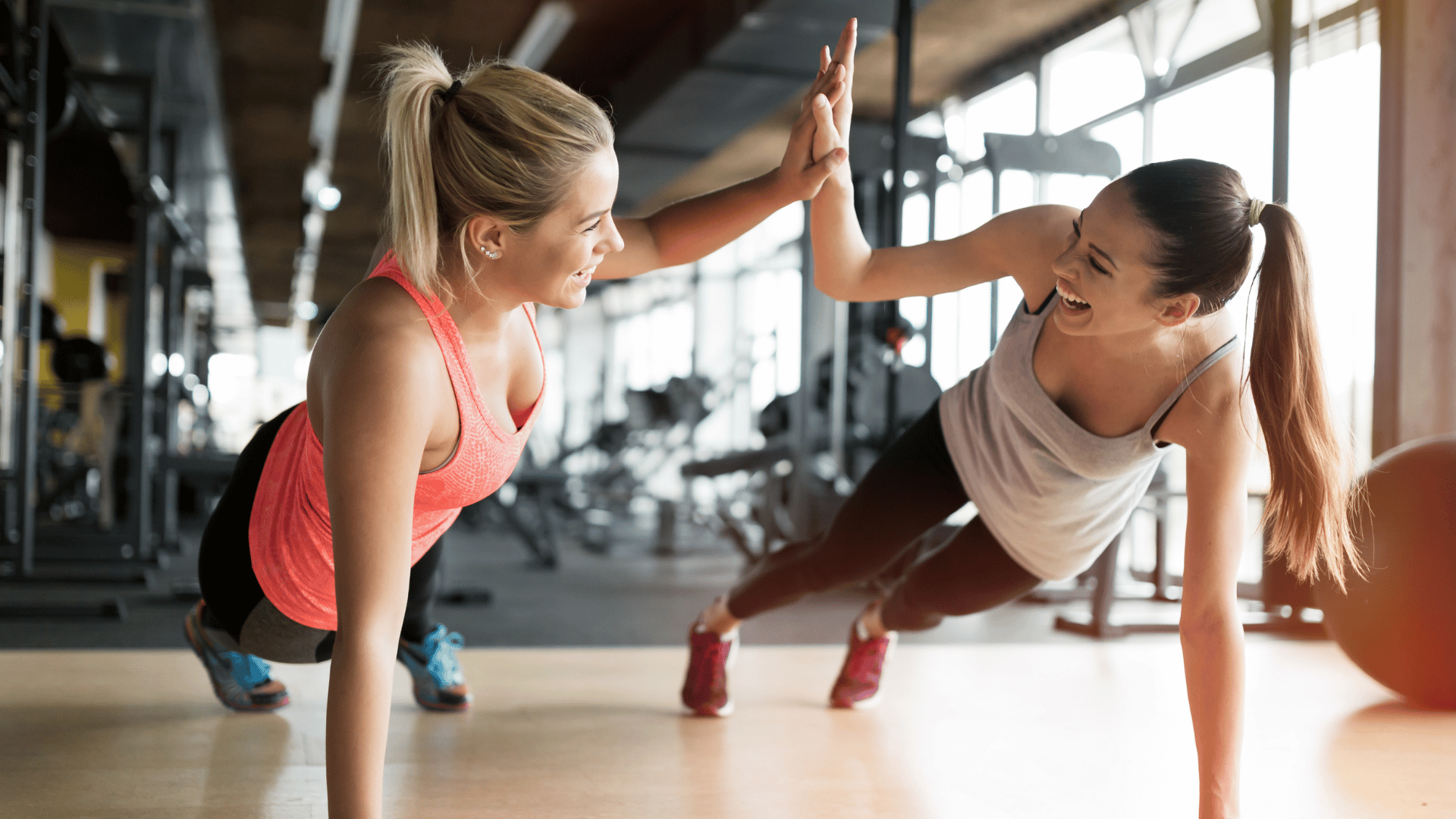
In the last decade, the landscape of women’s fitness has undergone a radical transformation. The “thin-at-all-costs” mentality of the 1990s and early 2000s has been replaced by a “strong-is-sexy” paradigm. Today, women are flooding the weight rooms, prioritizing muscle hypertrophy (growth) and functional strength. While a balanced full-body approach is always the gold standard, certain muscle groups have surged in popularity due to aesthetic trends, metabolic benefits, and postural health requirements.
This comprehensive guide explores the most popular muscle groups for women, the science behind why they are prioritized, and how to train them effectively.
:max_bytes(150000):strip_icc()/Why-woman-should-lift-weights-3119467-FINAL-abd1685c531e45c8b23eb56933ca0931.png)
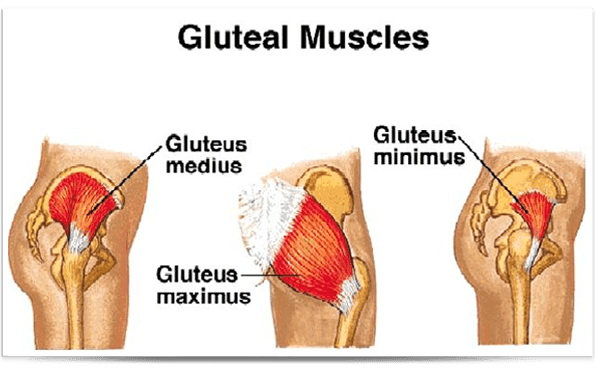
1. The Gluteus Maximus, Medius, and Minimus (The “Glute Boom”)
Undisputedly the most popular muscle group in modern female fitness, the glutes are the primary focus of millions of training programs worldwide.
Why It’s Popular:
Aesthetically, the pursuit of a “lifted” and “rounded” posterior has become a dominant trend. However, the benefits extend far beyond looks. The glutes are the largest and most powerful muscle group in the human body. Strong glutes support the lower back, improve athletic performance in running and jumping, and help stabilize the pelvis.
Key Exercises:
- Hip Thrusts: Often called the “king” of glute exercises for its ability to isolate the glutes under heavy load.
- Romanian Deadlifts (RDLs): Excellent for targeting the glute-hamstring tie-in.
- Bulgarian Split Squats: A love-hate staple that targets the gluteus medius (the “shelf” or side glute).
2. The Core: Rectus Abdominis, Obliques, and Transverse Abdominis
The “toned stomach” remains a perennial goal, but the focus has shifted from high-rep crunches to deep core stability and “inner unit” strength.
Why It’s Popular:
A strong core is the foundation of every other lift. Women are increasingly training the core to improve posture and create a “tapered” waistline. Furthermore, for women who have experienced pregnancy, training the transverse abdominis is essential for recovering from Diastasis Recti and regaining functional abdominal pressure.
Key Exercises:
- Dead Bugs and Bird-Dogs: Focused on stability and spinal alignment.
- Plank Variations: For isometric strength.
-

How to Do Cable Crunch source: https://www.strengthlog.com/cable-crunch/ Weighted Cable Crunches: For those looking to build “blocky” abdominal definition.
3. The Shoulders (Deltoids)
Shoulder training has seen a massive spike in popularity among women as it contributes to the “V-taper” silhouette.
Why It’s Popular:
Well-developed deltoids create the illusion of a narrower waist by broadening the top of the frame. This gives the body an “X” or “hourglass” shape. Additionally, shoulder strength is vital for daily tasks, such as lifting bags into overhead compartments, and prevents the “rounded shoulder” posture common in desk-based workers.
Key Exercises:
- Lateral Raises: The primary move for hitting the side deltoid to create width.
- Dumbbell Overhead Press: For overall shoulder mass and stability.
- Face Pulls: Essential for the rear deltoids and overall shoulder health/posture.
Deep Dive: The Science of Longevity
While aesthetic trends often drive the initial interest in these muscle groups, it is vital to understand the physiological “why” behind lower-body focus. In our companion piece, “The Science of Lower-Body Hypertrophy: Why Leg Day is the Foundation of Physical Longevity,” we explore how training the legs and glutes acts as a biological insurance policy. The article details how lower-body resistance training triggers significant hormonal responses and improves insulin sensitivity more effectively than smaller muscle groups. By prioritizing hypertrophy in the largest muscles of the body, women can combat age-related muscle loss (sarcopenia) and ensure joint integrity in the hips and knees, effectively linking today’s “leg day” to a future of high-functioning mobility.
4. The Hamstrings and Quads (Leg Definition)
While glutes are often the star, well-defined legs (the “quad sweep”) have become a major aesthetic goal.
Why It’s Popular:
Strong legs signify power and health. Leg training also involves the largest muscles in the body, which means these workouts burn the most calories and elicit a significant metabolic response. For many women, developing the “teardrop” muscle (vastus medialis) near the knee is a sign of high-level fitness.
Key Exercises:
- Goblet Squats: A beginner-friendly way to build quad strength.
- Leg Curls: Vital for hamstring health and preventing knee injuries.
- Walking Lunges: A dynamic movement that builds both muscle and cardiovascular endurance.
5. The Back (Lats and Rhomboids)
Once a neglected area in women’s routines, back training is now a staple.
Why It’s Popular:
Training the back is the ultimate antidote to “tech-neck” and slouching. Developing the Latissimus Dorsi (Lats) helps in achieving that coveted hourglass figure by widening the upper back. Moreover, a strong back is essential for performing the most sought-after bodyweight feat: the pull-up.
Key Exercises:
- Lat Pulldowns: Building the “width” of the back.
- Seated Rows: For the thickness and detail in the middle back (rhomboids/traps).
- Assisted Pull-ups: A gateway to total upper-body mastery.
6. The Triceps (The Back of the Arm)
Many women cite the “back of the arm” as a primary area of concern, leading to a high popularity in tricep-specific training.
Why It’s Popular:
Often referred to as the area that “jiggles when you wave,” the triceps make up about two-thirds of the arm’s muscle mass. Training them provides a firm, sculpted look that bicep curls alone cannot achieve.
Key Exercises:
- Tricep Rope Pushdowns: High-repetition isolation for a “pump.”
- Overhead Extensions: To target the long head of the tricep.
- Dips: A powerful compound movement for arm strength.
The Science: Why Women Should Train All Groups
While focusing on “popular” areas is fine for motivation, a balanced physique is the safest and most effective way to train.
1. Metabolic Rate
Muscle is metabolically active tissue. The more muscle mass a woman carries—regardless of which group it is on—the higher her Resting Metabolic Rate (RMR). This makes fat loss and weight maintenance significantly easier over time.
2. Bone Density
Women are at a higher risk for osteoporosis as they age. Weight-bearing exercise (lifting) increases bone mineral density. Training the entire body ensures that the spine, hips, and wrists remain strong into later life.
3. Hormonal Balance
Strength training helps improve insulin sensitivity and can aid in managing symptoms of PCOS (Polycystic Ovary Syndrome) and other hormonal imbalances.

source: https://levelsprotein.com/blogs/training/how-to-build-muscle-for-women?srsltid=AfmBOorMl0YmqWKaRBh6QAfumtBZzt-BUoY0-dC4tNkbvd75a2MQHIzp -
Conclusion: Crafting Your Own Priority List
The most “popular” muscle groups provide a great starting point for those looking to change their physique. Whether you are chasing the “glute shelf,” a “toned” core, or powerful shoulders, the key is consistency and progressive overload.
However, the most important muscle to train is the one you enjoy working on the most. Fitness is a lifelong journey; while trends in aesthetics may change, the health benefits of a strong, muscular body are timeless. Don’t be afraid to lift heavy, challenge your limits, and redefine what “feminine” looks like for you.
Disclaimer: Consultation with a fitness professional is recommended to ensure proper form and safety. Always listen to your body and prioritize recovery.

