

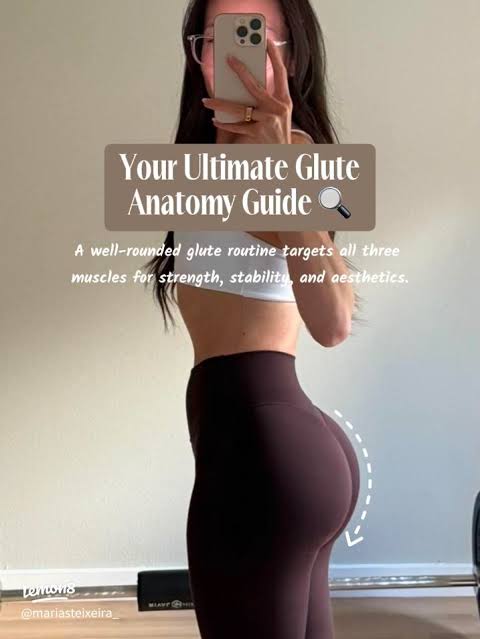
Over the past decade, lower body training has undergone a major cultural and athletic shift. What was once treated as a secondary component of general leg workouts has evolved into a central focus of modern fitness programming. Walk into almost any gym today, and you will see dedicated hip thrust benches, resistance band warm-ups, and targeted lower-body routines designed around one primary objective: building stronger, well-developed glutes.
This comprehensive guide breaks down the biological, psychological, and biomechanical reasons behind the massive rise of glute training—especially among women—and provides a practical, evidence-based roadmap to optimize your glute growth safely and effectively.
Click image below for a chance to win 2k a week for 1 week

Why Glute Training Has Expanded So Rapidly
The explosive surge in glute-focused training is not an accidental trend; it is driven by a unique convergence of aesthetic preferences, social media visibility, and a growing understanding of functional sports science.
+-----------------------------------------------------------------------------------+
|                        DRIVERS OF THE GLUTE TRAINING BOOM                         |
+-----------------------------------------------------------------------------------+
| CATEGORY          │ PRIMARY DRIVER                                                |
+-------------------+---------------------------------------------------------------+
| Aesthetic Shift   │ Transition from extreme thinness to strong, athletic curves   |
| Bio-Mechanics     │ Countering "glute amnesia" from prolonged desk sitting        |
| Athletic Impact   │ Improving sprint speed, hip extension, and spine stability    |
| Social Influence  │ Rise of evidence-based female lifting creators and coaches    |
+-------------------┴---------------------------------------------------------------
+
Click this link or image below for her glute workout video

1. The Shift Toward Athletic, Strong Aesthetics
For decades, mainstream fitness marketing targeted toward women focused heavily on restrictive cardio and high-repetition workouts aimed at minimizing body size. Modern fitness culture has embraced athletic conditioning, lean muscularity, and functional strength. A well-developed posterior chain represents power, health, and athletic capability.
2. Social Media and Evidence-Based Coaching
Platforms like Instagram, YouTube, and TikTok created a massive visual medium for strength coaches and sports scientists to share targeted training techniques. Instead of general leg advice, creators began demonstrating specialized movements like bar pad setup, hip thrust mechanics, and mechanical tension cues, making resistance training accessible and approachable for millions of female lifters.
3. The Counter-Fix for Sedentary Lifestyles (“Glute Amnesia”)
Modern office environments require long hours of sitting, which keeps the hip flexors in a chronically shortened position while the gluteal muscles remain lengthened and inactive. This lack of neuromuscular activation—often referred to as “glute amnesia”—can contribute to lower back strain, anterior pelvic tilt, and poor athletic movement patterns. Glute-focused strength training directly counteracts these modern postural pressures.
Click here or image below for 10 crazy glute transformations
The Anatomy: Understanding the Three Gluteal Muscles
To maximize hypertrophy (muscle growth) and functional strength, your training program must target all three heads of the gluteal complex across different planes of motion.
                  +-----------------------------------+
                  |        GLUTEAL COMPLEX            |
                  +-----------------------------------+
                                    |
         +--------------------------+--------------------------+
         |                          |                          |
+-----------------+        +-----------------+        +-----------------+
| GLUTEUS MAXIMUS |        | MEDIUS          |        | MINIMUS         |
| Primary extension|       | Abduction &     |        | Deep pelvic     |
| & powerful thrust|       | hip stability   |        | stabilization   |
+-----------------+        +-----------------+        +-----------------+
- Gluteus Maximus: The largest and most powerful muscle in the human body. It is primarily responsible for hip extension (moving the leg backward) and external rotation. It creates the primary size, depth, and projection of the lower body.
- Gluteus Medius: Situated on the upper, outer side of the pelvis. Its primary role is hip abduction (lifting the leg out to the side) and stabilizing the pelvis during single-leg movements like walking, running, and lunging. Developing this muscle creates upper glute fullness.
- Gluteus Minimus: The smallest and deepest of the primary gluteal muscles, sitting directly beneath the medius. It works alongside the medius to stabilize the hip joint and assist in internal and external rotation.
Essential Movement Categories for Maximum Glute Hypertrophy
An optimal glute program balances four main movement patterns to ensure equal development across all fibers while managing systemic recovery.
1. Horizontal Hip Extension (Peak Tension at Shortened Length)
Horizontal movements place maximum load on the glutes at the very top of the repetition when the muscle is fully contracted (shortened).
- Key Exercises: Barbell Hip Thrusts, KAS Glute Bridges, Cable Pull-Throughs.
- Programming Tip: Keep your chin tucked toward your chest and maintain a posterior pelvic tilt at the top of the movement to prevent lower back hyperextension.
2. Vertical Squat & Hinge Patterns (Peak Tension at Lengthened Length)
Vertical and hinge exercises stretch the gluteus maximus under load, creating high levels of mechanical tension in the lengthened position—a key driver for muscle growth.
- Key Exercises: Romanian Deadlifts (RDLs), Deficit Reverse Lunges, Deep Bulgarian Split Squats.
- Programming Tip: Focus on pushing your hips backward toward the wall behind you rather than merely bending forward at the waist.
3. Abduction Movements (Upper Glute Focus)
Abduction movements isolate the gluteus medius and minimus by moving the femur away from the midline of the body.
- Key Exercises: Seated Cable Abductions, Machine Hip Abductions, Standing Cable Kickbacks (45-degree angle).
- Programming Tip: Pause for 1–2 seconds at peak contraction on every rep to maximize motor unit recruitment.
Sample 4-Week Progressive Training Blueprint
Below is an evidence-based training split designed to balance volume, exercise selection, and recovery across two lower-body sessions per week.
Session A: Horizontal & Lengthened Focus
- Barbell Hip Thrust: 3 sets x 8–10 reps (2–3 min rest)
- Barbell or Dumbbell Romanian Deadlift (RDL): 3 sets x 10–12 reps (2 min rest)
- Dumbbell Bulgarian Split Squat: 3 sets x 10–12 reps per leg (90 sec rest)
- Seated Hip Abduction Machine: 3 sets x 15–20 reps (60 sec rest)
Session B: Single-Leg & Abduction Focus
- KAS Glute Bridge or Heavy Hip Thrust: 4 sets x 6–8 reps (heavy load, 2–3 min rest)
- Deficit Walking Lunges: 3 sets x 12 reps per leg (90 sec rest)
- 45-Degree Hyperextension (Glute-Focused, Rounded Upper Back): 3 sets x 12–15 reps (60 sec rest)
- Standing Cable Hip Abduction: 3 sets x 15–20 reps per leg (60 sec rest)
Common Glute Training Mistakes to Avoid
- Over-Relying on High-Rep Resistance Bands: Rubber mini-bands provide light tension and warm-up value, but they cannot replace the progressive mechanical tension generated by progressive overload with free weights or cables.
- Hyperextending the Lower Back: On hip thrusts and back extensions, arched spine positions shift tension away from the glutes and into the lumbar erectors. Keep your ribcage down and your core braced.
- Ignoring Progressive Overload: To grow, muscles require a gradual increase in stimulus over time. Track your reps, sets, and weights systematically; aim to add load or reps each week while maintaining strict form.
To see these biomechanical principles applied in real-world elite programming, look no further than fitness icon Bruna Rangel Lima. In the feature guide, Sculpt Your Ultimate Lower Body: Bruna Lima Shares Her Exact Secret Glute Workout Routine, Lima highlights the importance of consistency, intent, and progressive load when targeting the posterior chain. As Bruna emphasizes:
“Building targeted glute shape isn’t about random exercises or high-rep fatigue; it comes down to executing fundamental compound movements with full hip extension and relentless consistency.”
By pairing heavy hip thrust variations with controlled eccentric Romanian deadlifts, her routine provides a practical blueprint for achieving optimal glute hypertrophy without overtaxing the quads.
Frequently Asked Questions (FAQ)
How many times a week should I train my glutes for growth?
Most lifters respond best to training glutes 2 to 3 times per week, allowing 48 to 72 hours of recovery between sessions. This frequency maximizes muscle protein synthesis without overwhelming recovery limits.
Can I build my glutes without heavy compound lifting?
While bodyweight exercises and bands offer a great starting point for beginners, long-term muscle growth requires progressive mechanical tension. To continuously build tissue, you will eventually need to introduce loaded exercises like hip thrusts, RDLs, and lunges.
How long does it take to see noticeable glute growth?
With consistent progressive overload, adequate calorie intake, and high-protein nutrition (1.6–2.2g of protein per kg of body weight), initial strength gains occur in 2–4 weeks, with visible physical changes typically appearing within 8 to 12 weeks.
Why do I feel lunges and squats in my quads instead of my glutes?
If your quads dominate during lunges or squats, adjust your stance. To bias the glutes, take a wider step, keep your shins relatively vertical (limiting forward knee travel), and maintain a slight forward torso lean to increase hip flexion.
Summary
Building stronger, well-shaped glutes requires a balanced combination of targeted exercise selection, progressive overload, consistent recovery, and adequate nutrition. By incorporating horizontal thrusts, vertical hinges, and abduction work into a structured weekly plan, you can effectively maximize both function and physical development.

