

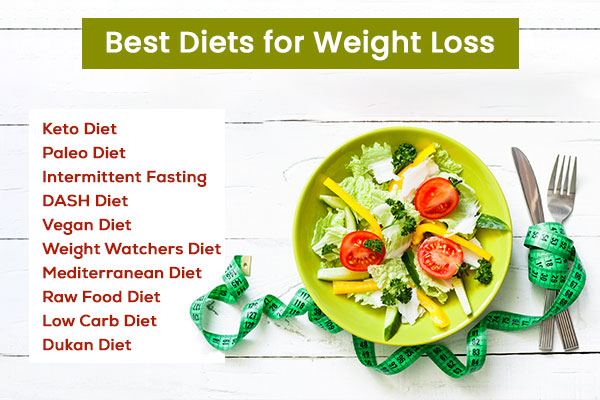
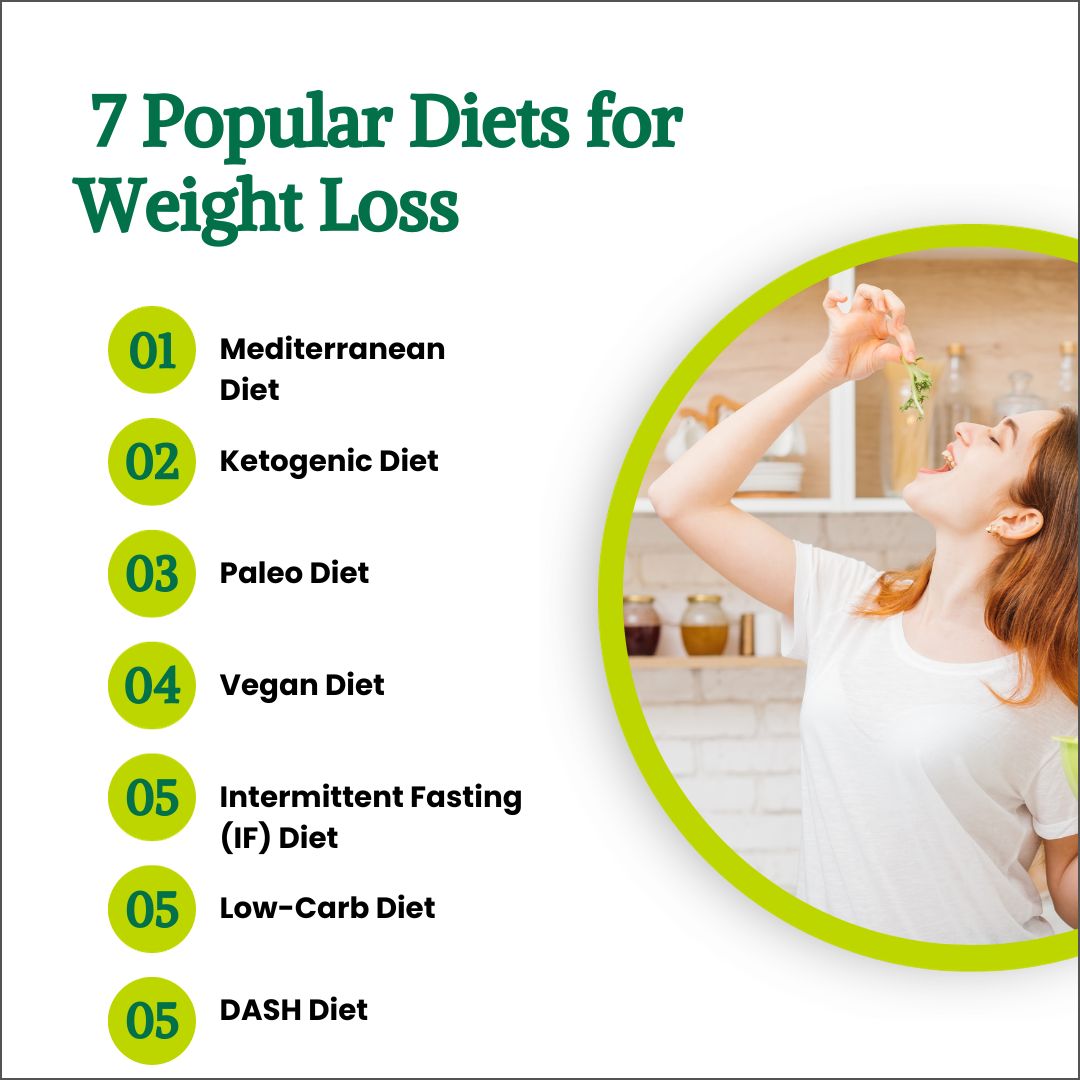
Navigating the world of weight loss can feel overwhelming. With endless social media trends promoting restrictive meal plans, cut-out food groups, and rapid fixes, identifying the best types of diets for weight loss requires sifting through noise to find evidence-based nutrition.
At its core, successful fat loss relies on energy balance: consuming fewer calories than your body expends. However, the specific dietary framework you choose dictates how hungry you feel, how much muscle mass you retain, and whether you can sustain your results long-term.
Click image below for a chance to win 2k a week for 1 week

Below is an evidence-based analysis of popular dietary approaches—from low-carbohydrate and plant-based models to extreme crash diets—alongside exact guidelines for calculating your optimal caloric intake.
The Big Four: Comparing Popular Dietary Frameworks
Different diets achieve a energy deficit through different mechanisms. Finding the right match depends on your personal lifestyle, medical history, and eating preferences.
+-----------------------------------------------------------------------------------+
|                        DIETARY FRAMEWORKS COMPARISON                              |
+-----------------------------------------------------------------------------------+
|  1. KETOGENIC (KETO)   --> Ultra-low carb (5%), high fat (70-80%), moderate protein. |
|  2. LOW-CARB           --> Moderate carb restriction (15-30%), elevated protein/fat.|
|  3. PLANT-BASED / VEG  --> High fiber, whole foods, elimination of animal meats.   |
|  4. CRASH DIETS        --> Extreme caloric restriction (<800 kcal), unsustainable. |
+-----------------------------------------------------------------------------------+
1. The Ketogenic Diet (Keto)
The Ketogenic diet shifts your primary fuel source from glucose (carbohydrates) to ketones (fat) by strictly limiting carbohydrate intake to under 20–50 grams per day.
-
How It Works: By keeping carbohydrates below 5% of total daily intake, liver glycogen stores deplete, prompting the liver to convert fatty acids into ketone bodies for energy.
-
Pros: Ketones and high fat/protein intake suppress ghrelin (the hunger hormone), significantly reducing appetite and initial water weight.
-
Cons: Hard to maintain socially; potential side effects during adaptation (“keto flu”); risk of elevated LDL cholesterol if saturated fat intake is unmonitored.
-
Best For: Individuals with severe insulin resistance or those who prefer savory, high-fat foods over carbohydrates.
2. Standard Low-Carb Diets
Unlike strict keto, a standard low-carbohydrate diet restricts daily carbs to 50–150 grams without forcing metabolic ketosis.
-
How It Works: Reduces insulin spikes and spontaneous caloric intake by replacing refined sugars and starches with lean proteins, healthy fats, and high-fiber vegetables.
-
Pros: Far more flexible than keto; excellent for blood sugar management; allows for pre-workout fruit and starchy vegetables.
-
Cons: Can lead to lower workout intensity initially if glycogen stores run low during high-intensity training.
-
Best For: Strength trainees, active individuals, and anyone wanting the metabolic benefits of carb control without extreme restriction.
3. Vegetarian & Plant-Based Diets
Plant-based diets emphasize whole grains, legumes, vegetables, fruits, nuts, and seeds, while reducing or eliminating animal products.
-
How It Works: Plant foods have high volumetric density—they contain high amounts of water and dietary fiber. This expands the stomach to trigger stretch receptors, signaling fullness to the brain on fewer total calories.
-
Pros: High fiber improves gut health, lowers systemic inflammation, and naturally restricts calorie-dense processed meats.
-
Cons: Processed vegan junk foods can easily stall progress; requires intentional planning to ensure adequate high-leucine protein intake for muscle preservation.
-
Best For: Individuals motivated by health longevity, ethical preferences, or those who prefer high-volume meals.
-
Best Diet That Actually Work in 2025 (Ranked by Experts) – Luxury Apartments Pag
4. Crash Diets & Very Low-Calorie Diets (VLCDs)
Crash diets rely on severe energy restriction (typically 500–800 calories per day) or mono-food elimination (e.g., juice cleanses, cabbage soup diets).
[Extreme Caloric Deficit (<800 kcal)]
               │
               ▼
   [Rapid Muscle Mass Mobilization] ──► Loss of Skeletal Muscle Mass
               │
               ▼
   [Adaptive Thermogenesis]         ──► Basal Metabolic Rate (BMR) Drops
               │
               ▼
   [Post-Diet Binge & Regain]       ──► Rapid Fat Regain ("Yo-Yo Effect")
-
The Reality: While crash diets yield rapid scale loss, a substantial portion comes from water and skeletal muscle mass rather than pure fat.
-
Why They Fail: Severe restriction triggers adaptive thermogenesis (a drop in basal metabolic rate) and intense hormonal hunger signals, almost always leading to weight regain. Crash diets are unsustainable and dangerous without direct medical supervision.
How Many Calories Should You Consume for Optimal Weight Loss?
To lose body fat predictably without sacrificing lean muscle or metabolic health, you must establish a moderate, sustainable caloric deficit.
Step 1: Calculate Your Total Daily Energy Expenditure (TDEE)
Your TDEE accounts for your Basal Metabolic Rate (BMR) plus daily movement and physical activity.
-
Rough Estimation Rule: Multiply your current body weight in pounds by 14 to 16 (or weight in kg by 30 to 35), depending on your activity level.
-
Example: A 170 lb (77 kg) moderately active individual has an estimated TDEE of roughly 2,380 – 2,550 calories/day.
-
Step 2: Establish Your Target Deficit
A safe, sustainable rate of fat loss is 0.5% to 1% of total body weight per week (roughly 0.5 to 2 lbs / 0.2 to 0.9 kg per week).
-
The Gold Standard Deficit: Subtract 300 to 500 calories per day from your TDEE.
-
Why Moderate Wins: A 500-calorie daily deficit creates a 3,500-calorie weekly deficit—translating to roughly 1 lb of steady fat loss per week while preserving energy, mood, and muscle mass.
Step 3: Prioritize Protein & Macronutrient Ratios
Calories dictate how much weight you lose; macronutrients dictate what kind of weight you lose (fat vs. muscle).
+-----------------------------------------------------------------------------------+
|                        OPTIMAL MACRONUTRIENT DISTRIBUTION                         |
+-----------------------------------------------------------------------------------+
|  • PROTEIN:       0.7 – 1.0g per lb of body weight (1.6 – 2.2g/kg).              |
|                   Preserves muscle tissue and maximizes satiety [1.1.5, 1.2.3].   |
|  • FATS:          20% – 35% of total daily calories for hormone support [1.2.3].  |
|  • CARBOHYDRATES: Remaining calories tailored to activity preferences [1.2.3].     |
+-----------------------------------------------------------------------------------+
The Ultimate Guide to Body Recomposition: How to Lose Fat and Gain Muscle Simultaneously
While standard fat loss diets prioritize creating a caloric deficit to drop scale weight, body recomposition shifts the objective from simply losing mass to actively transforming your body composition—striking a precise balance where you reduce body fat while building lean muscle tissue at the same time. Achieving this dual response requires moving beyond simple caloric restriction and implementing a highly structured approach to macronutrient timing, progressive resistance training, and systematic calorie cycling. Rather than drastically slashing calories through extreme protocols or crash dieting, successful body recomposition hinges on fueling muscle protein synthesis with elevated protein targets while maintaining a slight, manageable energy deficit or eating at maintenance levels.
Read that related article here: The Ultimate Guide to Body Recomposition: How to Lose Fat and Gain Muscle Simultaneously
The Final Verdict: Which Diet Is Scientifically “Best”?
Systematic clinical reviews consistently demonstrate that when calories and protein are kept equal, no single dietary style holds a superior metabolic advantage for fat loss. High-protein keto, low-carb, Mediterranean, and plant-based diets all produce comparable fat loss over a 12-month period.
The single best diet for weight loss is the one that meets three criteria:
-
Keeps you in a manageable 300–500 calorie deficit.
-
Provides adequate daily protein to protect lean tissue.
-
Adheres to your personal preferences, allowing you to stay consistent for months and years rather than weeks.

